Outdoor Waterproof Materials for Garden Furniture
Understand how teak, aluminum, resin wicker, and performance fabrics handle rain, sun, and humidity so you can choose garden furniture that lasts.
Explore The MaterialsWhy this guide matters: Garden furniture faces constant exposure to rain, UV rays, and temperature swings. The material you choose determines how well each piece resists water damage, mold, rust, and fading. This guide breaks down the strongest waterproof and water-resistant options, how each one performs over time, and what to check before buying. If you are upgrading an existing set, the same material logic applies whether you are comparing a round patio furniture layout or a wicker patio set.
What "Waterproof" Really Means for Garden Furniture
Waterproof and water-resistant are often used interchangeably, but they describe different levels of protection. A truly waterproof material blocks water entirely, while a water-resistant material slows moisture absorption and recovers well after rain. For garden furniture, very few materials are fully waterproof; most rely on a combination of dense construction, protective coatings, and quick drainage.
Frame material, joint design, and cushion fabric all influence how a piece handles moisture. A sturdy frame with sealed joints sheds water far better than an open frame that traps it. The same principle applies to seating: a stainless steel outdoor table and chairs set is built for wet conditions, while a cedar Adirondack chairs pair relies on natural wood oils for resistance.
Material-by-Material Breakdown
Teak and Hardwoods
Teak is one of the most respected natural materials for wet climates. Its dense grain and natural oils repel water, which is why it has been used on boats for generations. High-grade teak resists rot, warping, and insect damage remarkably well. It does silver over time when left untreated, which many homeowners consider an attractive weathered finish. A teak furniture collection is a strong long-term investment for anyone who wants a natural look with dependable moisture resistance. Sealing once a year keeps the honey tone and adds an extra moisture barrier.
Powder-Coated Aluminum
Aluminum is lightweight, rust-proof, and naturally resistant to water. It does not absorb moisture, so it will not swell, crack, or rot. Powder coating adds a durable finish that shields the metal from scratches and UV exposure. Aluminum frames are common in high-quality resin wicker patio furniture because the frame stays strong while the woven outer layer adds texture. Look for fully welded joints and sealed hardware for the best weather performance.
Resin Wicker and Rattan
Modern resin wicker is engineered for outdoor use and handles rain far better than natural rattan. High-density polyethylene strands resist moisture, fading, and cracking, making it one of the most practical choices for damp gardens. A high-quality wicker patio furniture set with an aluminum frame combines water resistance with visual warmth. Check that the weave is tight and the frame is sealed at the feet, since standing water is the main risk.
Stainless Steel and Wrought Iron
Stainless steel offers excellent water resistance when it is marine-grade or contains a high chromium content. It is a popular choice for outdoor kitchens and dining sets. A stainless steel table for outdoor kitchen use is built to handle spills, rain, and cleaning without rust. Wrought iron is strong and sturdy but requires a protective coating; any chip in the finish exposes the metal to moisture. Inspect and touch up coatings at the start of each season. If rust appears, follow a careful rust removal process before resealing.
Outdoor Performance Fabrics
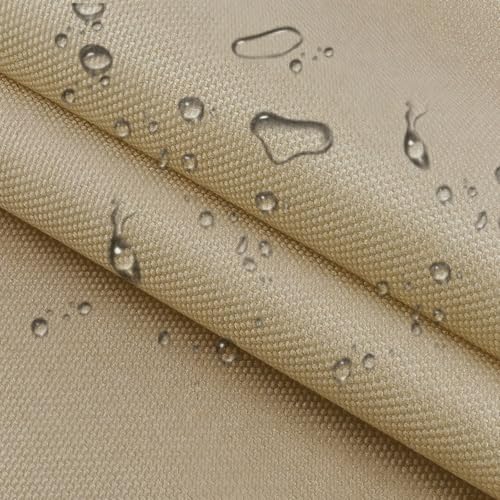
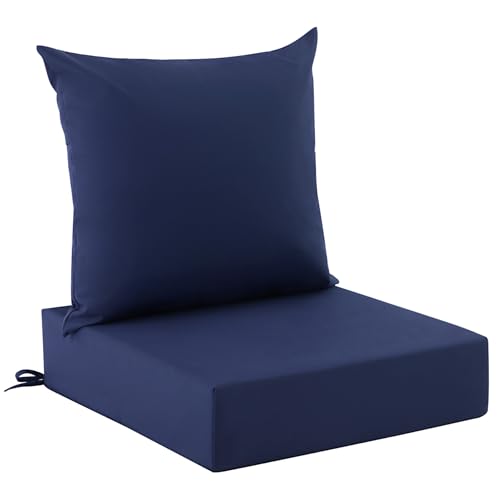
Cushions and slings need fabric that resists water without trapping it. Solution-dyed acrylic and high-performance olefin are the top categories. They repel rain, resist mildew, and hold color under UV exposure. Quick-drying foam inserts prevent water from sitting inside the cushion. A set of waterproof outdoor seat cushions can dramatically extend the usable life of an existing frame, and sofa replacement cushions for outdoor furniture are an efficient way to refresh a worn set.
Comparison Table: Water Resistance by Material
The table below compares each material by tier and best use case, using relative quality descriptors rather than numeric ratings.
| Material | Water Resistance Tier | Best For | Maintenance Level |
|---|---|---|---|
| Teak | Premium | Natural look, humid climates | Low to moderate (annual sealing) |
| Powder-coated aluminum | Top-tier | Lightweight, rust-free frames | Low |
| Resin wicker | High-end tier | Damp gardens, textured style | Low |
| Marine-grade stainless steel | Professional-grade | Outdoor kitchens, coastal areas | Low to moderate |
| Wrought iron | Mid-tier | Classic styling, sturdy frames | Moderate (coating checks) |
| Performance acrylic fabric | Premium | Cushions and slings | Low |
How to Protect Garden Furniture in Wet Conditions
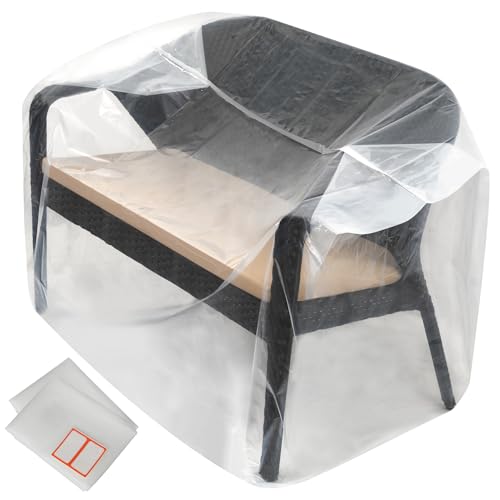
Even the best material benefits from smart placement and routine care. Position furniture where water drains away rather than pooling around the feet. Use breathable covers rather than fully sealed plastic, which can trap condensation and encourage mold. Store cushions during heavy rain when possible, and bring them indoors for winter.
Inspect joints and welds each season, tighten hardware, and reapply sealant to wood and painted metal as needed. Pairing your furniture with the right accessories makes a measurable difference. A waterproof outdoor storage box for patio cushions keeps fabric dry between uses, and a waterproof outdoor storage bench adds seating plus protected storage. For shade, a solar outdoor umbrella keeps rain off the seating zone while adding evening light.
Coastal homes should prioritize aluminum, resin wicker, and marine-grade stainless steel. Inland gardens with heavy clay soil and poor drainage benefit from raised feet and regular clearing of standing water. If your space is a screened porch, see our screened-in deck guidance for layout and airflow tips.
Common Mistakes to Avoid
- Ignoring the frame: A waterproof cushion on a rust-prone frame still leads to premature failure.
- Using non-breathable covers: Sealed plastic traps moisture and can cause mold on wood and fabric.
- Skipping joint sealing: Water entering leg sockets is a top cause of hidden corrosion.
- Assuming natural rattan is waterproof: Only resin wicker is engineered for outdoor wet exposure.
- Neglecting seasonal storage: Cushions stored damp develop mildew that shortens their life.
Frequently Asked Questions
What is the most waterproof material for garden furniture?
Aluminum and high-density resin wicker are among the most waterproof options because they do not absorb moisture. Teak is naturally water-resistant thanks to its oils, while powder-coated steel offers solid protection when the finish stays intact.
Is teak furniture fully waterproof?
Teak is highly water-resistant rather than fully waterproof. Its natural oils repel moisture, but regular cleaning and occasional sealing help it stay protected over many seasons.
Which outdoor fabric is best for cushions?
Solution-dyed acrylic and high-performance olefin fabrics are top choices. They resist water, fading, and mildew while remaining breathable and comfortable.
Do waterproof furniture covers replace the need for weather-resistant materials?
No. Covers add an extra layer of protection, but the base material still determines long-term durability. A weather-resistant frame paired with a breathable cover delivers the best results.
Choosing With Confidence
Match the material to your climate and maintenance habits. Aluminum and resin wicker suit low-maintenance gardens, teak rewards homeowners who appreciate natural beauty, and marine-grade stainless steel is the safest pick for coastal or kitchen settings. Whatever you choose, pair it with performance fabric cushions, breathable covers, and a storage plan. That combination delivers the best long-term protection and lets you enjoy your outdoor space in every season.