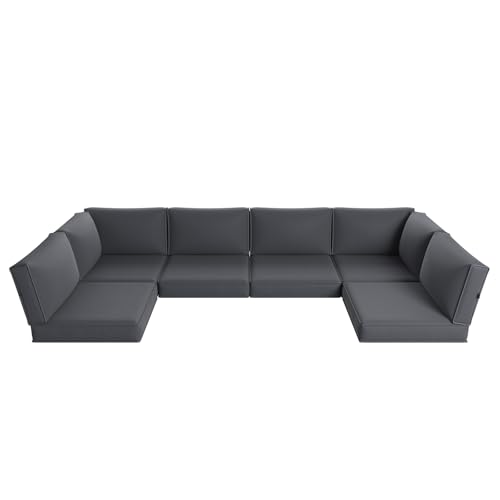
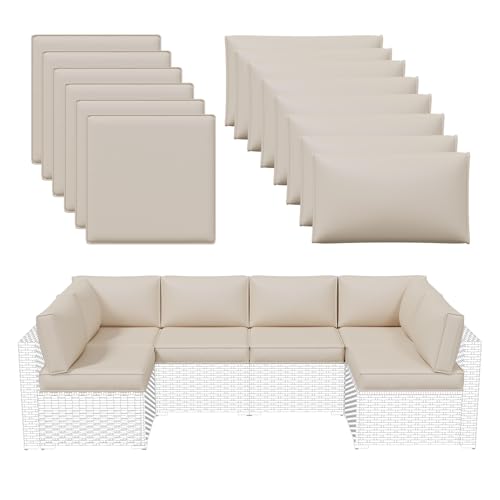
Sofa Replacement Cushions for Outdoor Furniture
Refresh your patio sofa with the right cushions. Learn how to match fabric, foam, and fit so your outdoor seating looks new and feels comfortable again.
START THE GUIDEWhy replacement cushions make sense: A sound frame often outlasts its cushions. Replacing worn seat and back cushions is a practical way to restore comfort and appearance without replacing the entire sofa. The key is matching dimensions, fill type, and weather-ready fabric to your specific frame.
When Should You Replace Outdoor Sofa Cushions?
Cushions show wear in predictable ways. Knowing the signs helps you decide whether to replace the whole set or just the seat pads.
- Flattened foam: Seat cushions that compress and no longer spring back lose support and can feel uncomfortable after short use.
- Fabric fading and pilling: Solution-dyed fabrics resist fading, but all outdoor textiles degrade over time under sun exposure.
- Moisture and mildew: Persistent dampness, musty odor, or visible mildew stains usually indicate the fill or cover has trapped water.
- Torn seams and broken zippers: Structural damage to covers accelerates fill deterioration and makes cleaning difficult.
- Style update: A new cushion color or texture can modernize a frame that is still structurally strong.
How to Measure Your Sofa for Replacement Cushions
Accurate measurements prevent returns and fit issues. Measure the existing cushions if possible, and confirm whether you need seat cushions, back cushions, or a full set.
- Width: Measure across the seat from left to right. For sectionals, measure each seat segment separately.
- Depth: Measure from the front edge to the back rest. Note if the cushion sits against a curved or angled back.
- Thickness: Measure the current cushion height. A 4–6 inch thickness is typical for outdoor sofas, with deeper frames often using thicker seats.
- Back cushion dimensions: Measure height and width of back cushions separately, as they often differ from seat proportions.
- Attachment points: Check for ties, straps, or hook-and-loop fasteners that keep cushions in place on windy days.
If your sofa frame uses a corner wedge or curved section, measure the widest and deepest points and note the shape. Many replacement cushion makers offer custom shapes for non-rectangular seats.
Choosing the Right Fabric for Outdoor Cushions
The fabric determines how well cushions handle sun, rain, and daily use. Here is how common outdoor fabrics compare:
| Fabric Type | Tier | Best For | Key Traits |
|---|---|---|---|
| Solution-dyed acrylic | Premium to luxury | Sun-heavy patios and long-term use | Excellent colorfastness, soft hand, strong UV resistance |
| Performance polyester blend | Mid-range | Everyday residential patios | Good balance of durability, stain resistance, and comfort |
| Olefin | Entry-level to mid-range | Covered porches and light exposure | Moisture-resistant, durable, less soft than acrylic |
| Cotton or canvas blends | Entry-level | Shaded or seasonal use | Natural feel, limited weather resistance |
Look for covers with removable, machine-washable zippered shells for easier maintenance. If your sofa sits in full sun or near a pool, prioritize solution-dyed acrylic or a high-grade performance blend. For advice on keeping frames and textiles in good shape, see our guide to outdoor waterproof material for garden furniture.
Foam and Fill Options Explained
Fill quality affects comfort, support, and how long the cushion keeps its shape. Outdoor cushions typically use one of three approaches:
- High-density foam core: Firm, supportive, and durable. Often wrapped with a thin fiber layer to soften the surface.
- Foam with fiber wrap: A balanced tier choice that combines structure with a plush feel. Common in mid-range and premium cushions.
- Fiber fill only: Soft and lightweight but tends to flatten faster. Better suited to back cushions than seat cushions.
Check whether the foam is open-cell or quick-drying. Quick-dry foams allow water to pass through rather than soak in, which helps cushions dry faster after rain. For back support, many sofas pair a foam seat with a fiber-filled back cushion.
Fit, Attachment, and Frame Compatibility
Replacement cushions should sit securely without sliding. Consider these frame details before ordering:
- Ties and straps: Useful on open-frame sofas, wicker, and metal frames. Match the tie color to the fabric if visible.
- Hook-and-loop strips: Common on modern sectionals and modular sofas. Confirm the strip position matches your frame.
- Seat depth tolerance: A small allowance of about half an inch helps the cushion settle without bulging.
- Wicker and rattan frames: Cushions for high-quality wicker patio furniture often need firmer foam to prevent sinking between weave gaps.
If you are refreshing a complete wicker set, browse wicker patio furniture options to compare cushion-ready frames and standard sizes.
Caring for Outdoor Sofa Cushions
Proper care extends the life of replacement cushions and keeps them looking fresh:
- Brush off loose debris before washing and spot-clean stains with mild soap and water.
- Air-dry cushions on their edge in a shaded, ventilated area rather than in direct sun.
- Store cushions indoors or in a dry, breathable container during heavy rain and off-season months.
- Rotate seat cushions periodically to distribute wear evenly.
- Avoid stacking wet cushions, which traps moisture and encourages mildew.
For frame-related upkeep, our rust removal guide covers metal sofas and tables, and our article on waterproof outdoor materials helps you plan seasonal protection.
Pairing New Cushions with Other Outdoor Updates
Replacement cushions are often the first step in a broader patio refresh. If your sofa frame is nearing the end of its life, compare it with a new set before investing in cushions. For smaller spaces, a small outdoor patio set with fire pit can combine seating and ambiance in one footprint. If you already have a wicker frame, wicker patio sets show how cushions are typically configured.
For lounge-style seating, replacement cushions for chaise lounge chairs outdoor models follow similar fabric and foam principles. Matching cushion colors across sofas and loungers creates a cohesive look.