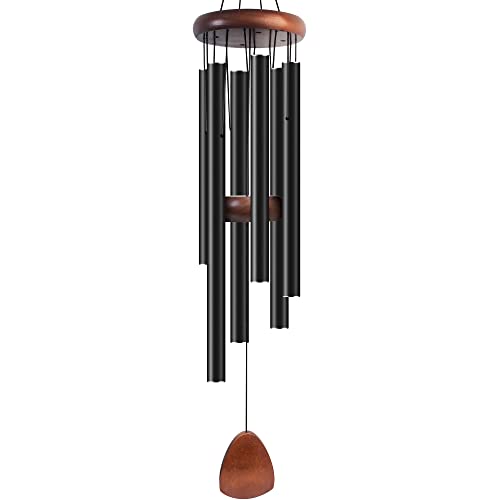
Wind Chimes: The Complete Buying Guide
Discover how to choose wind chimes that match your style, climate, and love of sound. From material selection to tonal quality and placement, this guide covers everything you need to make a confident decision.
START THE GUIDEWhy wind chimes matter: A well-chosen wind chime transforms a patio or garden into a sensory retreat. Beyond decoration, chimes add gentle ambiance, signal breezes, and create a calming atmosphere that deepens your connection to the outdoors. This guide will help you understand the key factors that separate a pleasant chime from a forgettable one.
What Are Wind Chimes and Why Do They Matter?
Wind chimes are suspended collections of tubes, rods, or bells that produce musical tones when the wind moves them. Originally used in agricultural settings to warn of weather changes, they have evolved into expressive outdoor decor that blends art, acoustics, and function. Today, wind chimes are a staple of patio design, garden landscaping, and porch styling.
The best wind chimes are more than ornaments. They act as a subtle soundscape that can mask neighborhood noise, create a meditative focal point, and invite you to slow down. For homeowners building an outdoor living space, chimes pair naturally with seating areas, garden beds, and shaded retreats. If you are furnishing a porch or patio, consider how a chime complements pieces like wicker porch chairs or a wooden garden bench to complete the ambiance.
Understanding what makes a chime sing beautifully, resist weather, and last for years is the first step toward a worthwhile investment. The sections below break down materials, tonal quality, sizing, placement, and maintenance so you can choose with confidence.
Wind Chime Materials: The Foundation of Sound and Durability
Material determines how a chime sounds, how it ages, and how well it survives the elements. Each material has a distinct tonal character and maintenance profile. The table below compares the most common options.
| Material | Tonal Character | Weather Resistance | Best For |
|---|---|---|---|
| Aluminum | Bright, clear, long sustain | Excellent (rust-proof) | Coastal areas, humid climates |
| Bamboo | Warm, woody, organic | Moderate (needs shelter) | Covered porches, rustic themes |
| Glass | Delicate, shimmering, high-pitched | Moderate (hail risk) | Sheltered patios, decorative accents |
| Copper | Rich, mellow, resonant | Excellent (patina develops) | Long-term installations, classic gardens |
| Brass | Warm, bell-like, complex harmonics | Good (tarnish possible) | Traditional styling, sheltered areas |
| Steel | Bold, deep, powerful projection | Good (rust-proof finishes available) | Large gardens, windy locations |
| Wood | Soft, earthy, percussive | Moderate (requires sealing) | Natural landscapes, covered spaces |
Aluminum: The All-Weather Performer
Aluminum is the most popular choice for outdoor chimes because it is lightweight, rust-proof, and produces a bright, clear tone that carries well. Entry-level aluminum chimes are common, but mid-range and premium options feature thicker walls, precision tuning, and durable powder-coated finishes. Aluminum works especially well in coastal or humid environments where other metals might corrode.
Bamboo: Natural Warmth and Rustic Charm
Bamboo chimes deliver a soft, woody sound that feels organic and grounding. They suit rustic, bohemian, and naturalistic garden styles. However, bamboo is less resistant to prolonged moisture and direct sun, so it performs best under a porch roof or in a sheltered corner. If you are styling a natural outdoor retreat, bamboo chimes pair beautifully with wood patio furniture and other natural textures.
Glass and Copper: Decorative and Resonant
Glass chimes offer a delicate, shimmering quality that catches light and attention. They are best placed in sheltered spots where hail and strong winds are unlikely. Copper, by contrast, is a long-term investment. It develops a living patina over time and produces a rich, mellow tone that many homeowners consider the gold standard of wind chime sound. Copper chimes are often categorized as premium or high-end tier due to the material and craftsmanship involved.
Steel and Brass: Projection and Tradition
Steel chimes project a bold, deep sound ideal for larger gardens and windy locations. High-grade steel with a rust-proof finish can last for many seasons. Brass chimes produce a warm, complex tone reminiscent of church bells but may require occasional polishing to maintain their appearance. Both materials sit comfortably in the mid-range to premium tiers depending on tube thickness and tuning precision.
Tonal Quality: How Tube Length and Thickness Shape Sound
The musical character of a wind chime depends on the length, diameter, and wall thickness of its tubes. Longer tubes produce lower notes; shorter tubes produce higher notes. Thicker walls generally yield a fuller, more resonant sound with longer sustain, while thinner walls produce a lighter, brighter tone.
Consider these relationships when evaluating chimes:
- Long tubes (30 inches and above): Deep, resonant tones with slow decay. Best for large outdoor spaces and low-frequency ambiance.
- Medium tubes (18–30 inches): Balanced mid-range tones. The most versatile size for patios and porches.
- Short tubes (under 18 inches): Bright, high-pitched tones. Ideal for small spaces, balconies, and decorative groupings.
- Thick walls: Fuller body, longer sustain, better projection. Typically found in mid-range and premium chimes.
- Thin walls: Lighter tone, shorter sustain. Common in entry-level and decorative chimes.
Pro Tip: Tuned chimes are arranged in specific musical scales (pentatonic, major, minor) so that random wind patterns still produce harmonious combinations. A well-tuned mid-range chime often sounds more pleasant than an untuned premium one. Always check whether the chime is described as tuned or untuned.
Pay attention to the striker and wind sail as well. A heavier striker produces louder strikes, while a lighter one allows gentler movement. The wind sail, the flat piece that catches the breeze, determines how easily the chime responds to light wind. Larger sails activate at lower wind speeds but may cause constant chiming in breezy areas.
Placement: Where Wind Chimes Sound Best
Placement affects both the sound you hear and the lifespan of your chime. Consider these guidelines for different outdoor zones:
Patios and Decks
Hang chimes at the edge of a covered patio or near a corner where breezes funnel through. Avoid hanging directly over seating where the striker could brush against heads. A spot near a wicker side table or beside a lounge area creates a pleasant focal point without interfering with conversation.
Porches and Entryways
Porch chimes welcome guests and add character to the front of the home. Hang them from a porch beam or bracket, ensuring clearance from doors and walkways. If you have a wooden porch swing, position the chime nearby so both pieces share the breezeway.
Gardens and Landscapes
In gardens, chimes work best when suspended from a shepherd's hook, arbor, or tree branch at eye level or slightly above. Grouping chimes of different sizes creates a layered soundscape. They pair naturally with features like a wooden arbour for garden or a wooden garden table seating area.
Balconies and Small Spaces
For balconies and compact patios, choose shorter chimes and mount them on a wall bracket or railing hook. Keep the wind sail small to avoid constant chiming in urban wind tunnels. A compact chime next to a wicker patio set adds charm without overwhelming the space.
Wind Exposure and Shelter
Windy locations call for heavy-duty chimes with thick tubes and secure mounting. Sheltered areas allow more delicate materials like glass and bamboo. If you live in a storm-prone region, choose chimes that can be easily removed or secured before severe weather.
Sizing and Quality Tiers: Matching Chimes to Your Space
Choosing the right size and quality tier ensures your chime performs well and lasts. Use the following framework as a guide:
| Tier | Typical Construction | Best For |
|---|---|---|
| Entry-Level | Thin-walled aluminum, untuned or basic tuning, simple striker | First-time buyers, decorative accents, small balconies |
| Mid-Range | Thicker tubes, tuned scales, powder-coated finishes, durable cord | Family patios, gardens, everyday enjoyment |
| Premium | Precision-tuned, thick walls, copper or high-grade aluminum, reinforced hanging hardware | Long-term installations, windy sites, serious sound enthusiasts |
| Luxury / Commercial-Grade | Handcrafted, deep tonal tuning, marine-grade materials, artisan finishes | Statement pieces, coastal estates, public gardens, long-term investment |
As a general rule, larger chimes suit larger spaces. A chime under 20 inches can feel lost in a sprawling garden, while a 40-inch chime may overwhelm a small balcony. Match the scale of the chime to the scale of the space, and choose a tier that reflects how much you value tonal quality and longevity. Mid-range chimes usually offer the best balance of sound quality and durability for most homeowners.
Installation and Care: Protecting Your Investment
Proper installation and routine care extend the life of any chime. Follow these best practices:
Mounting Hardware
Use stainless steel hooks, brackets, or chains rated for outdoor use. Avoid thin string or twine that degrades in sunlight. For heavy chimes, anchor the mount securely into a beam or post. A wooden garden furniture set nearby can serve as a visual anchor while the chime hangs from a dedicated bracket above.
Seasonal Maintenance
- Inspect cords and hanging lines every few months for fraying or UV damage.
- Clean metal chimes with a soft cloth and mild soap; avoid abrasive cleaners that scratch finishes.
- Apply a protective sealant to wood and bamboo chimes annually.
- Bring delicate chimes indoors before storms, hail, or freezing temperatures.
- Check the striker and wind sail for wear and replace them as needed.
Winter Storage
If you live in a region with harsh winters, remove chimes before the first freeze. Store them indoors in a dry place. This is especially important for glass, bamboo, and wood chimes. Metal chimes may remain outdoors in mild climates but should still be inspected after winter for rust or loosened hardware.
Long-Term Tip: A premium copper or high-grade aluminum chime treated with care can last for a decade or more, making it a worthwhile investment for a permanent outdoor living space.
Styling Ideas: Integrating Wind Chimes Into Your Outdoor Space
Wind chimes can be styled as standalone accents or layered with other outdoor elements. Consider these approaches:
- Pair with seating: Hang a mid-range chime near a wicker rocking chair or a wooden outdoor chair to create a relaxation corner.
- Frame a garden path: Mount chimes on shepherd's hooks along a walkway, alternating sizes for visual and auditory rhythm.
- Create a sound garden: Group three to five chimes of different materials and lengths to produce a layered, evolving soundscape.
- Coordinate with dining areas: A subtle chime near a wrought iron outdoor dining set for 4 adds ambiance without disrupting conversation.
- Use as a focal point: A large, premium chime can anchor a garden bed or patio corner, drawing the eye and the ear.
For more inspiration on completing your outdoor retreat, explore our guides to wicker patio furniture, wood sealants, and wood outdoor coffee tables.
Continue Exploring Outdoor Living
Wind chimes are one element of a thoughtfully designed outdoor space. These related guides will help you complete the picture: