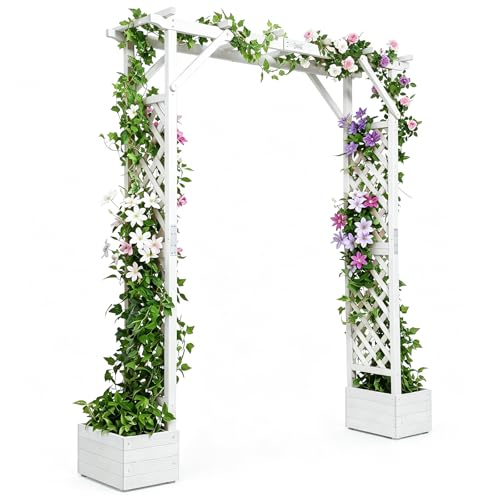
Wooden Arbour for Garden: The Complete Buying Guide
Everything you need to know about choosing, placing, and caring for a beautiful wooden garden arbour that transforms your outdoor space.
Why a wooden arbour deserves a place in your garden: A wooden arbour is more than just a garden structure — it is a focal point, a quiet retreat, and a living frame for climbing plants. Whether you are looking to create a shaded reading nook, define a pathway, or add vertical interest to a flat landscape, a well-chosen arbour delivers charm and function in equal measure. This guide walks you through every decision, from selecting the right wood and style to placement, planting, and long-term care.
What Is a Wooden Garden Arbour?
A wooden arbour is a garden structure typically featuring an open framework of posts and lattice, often with a built-in bench seat and a curved or pitched roof. Unlike a simple arch or trellis, an arbour is designed to be entered and enjoyed — it creates a semi-enclosed space where you can sit, relax, and take in the view of your garden. Traditional arbours are crafted from timber, which gives them a warm, natural appearance that blends beautifully with planting schemes and existing wood patio furniture.
Arbours have a long history in garden design, dating back to formal European gardens where they served as shaded resting points along long walks. Today, they range from rustic, handcrafted designs to refined structures with decorative fretwork. The common thread is the use of wood — a material that ages gracefully and can be painted, stained, or left to weather naturally.
Key Benefits of Adding an Arbour to Your Garden
Before diving into the specifics of choosing an arbour, it helps to understand what this structure can do for your outdoor space. The benefits extend well beyond aesthetics:
- Vertical interest: Arbours draw the eye upward and add height to gardens that might otherwise feel flat or one-dimensional.
- Defined spaces: Use an arbour to mark the entrance to a vegetable patch, a seating area, or a secret garden path.
- Shade and shelter: With climbing plants trained over the roof, an arbour provides dappled shade on sunny days.
- A destination: A bench seat built into the arbour gives purpose to a corner of the garden, inviting you to pause and sit.
- Plant support: The lattice sides and roof are ideal for climbing roses, clematis, wisteria, and jasmine.
- Property enhancement: A well-placed arbour adds character and perceived value to your garden landscape.
If you are already investing in other wooden garden pieces such as a wooden garden bench or a wooden garden table, an arbour creates a cohesive design language across your outdoor space.
Types of Wooden Arbours
Arbours come in several configurations, each suited to different garden styles and functional needs. Understanding these types will help you narrow down the options.
Bench Arbour
The classic design: a bench seat integrated into the structure with a roof and side panels. Ideal for a quiet corner or the end of a path. Entry-level models often use lighter timber and simpler joinery.
Arch Arbour
A freestanding arch without a seat, designed primarily as a walkway feature or plant support. Mid-range versions typically offer sturdier posts and more elaborate lattice patterns.
Corner Arbour
Designed to fit into a garden corner or against a wall, often with an L-shaped bench. Space-efficient and visually interesting, especially in smaller gardens.
Grand Arbour
A larger, more substantial structure with decorative fretwork, curved roofs, and heavier timber. Premium models often feature mortise-and-tenon joinery and built-in planters.
Metal-Arbour Hybrid
While this guide focuses on wood, some hybrid designs combine a wooden seat with metal framing. Useful if you want the warmth of timber with the slim profile of metal.
Custom-Built Arbour
Commissioned to exact dimensions and style, often using sustainable hardwoods. The top-tier choice for gardens with specific design requirements or heritage considerations.
Choosing the Right Wood
The material you choose has a direct impact on the arbour's longevity, appearance, and maintenance requirements. Here is how the common options compare:
| Wood Type | Tier | Best For | Durability | Maintenance |
|---|---|---|---|---|
| Pine / Spruce | Entry-level | Starter gardens, painted finishes | Moderate; benefits from treatment | Annual sealant or paint |
| Cedar | Mid-range | Natural finish, weather resistance | Good; naturally rot-resistant | Occasional oiling |
| Larch | Mid-range | Rustic gardens, structural strength | Good; dense grain | Periodic staining |
| Oak | Premium | Heritage gardens, long-term investment | Excellent; very hard-wearing | Minimal once established |
| Teak | Luxury | High-end designs, natural beauty | Outstanding; natural oils | Very low |
Practical tip: If your garden receives heavy rain or humidity, lean toward cedar, oak, or teak. If you plan to paint your arbour in a color that matches your home's trim, a well-treated pine arbour can be an efficient choice. Whichever wood you select, applying a quality wood sealant during assembly will significantly extend its service life.
Sizing and Placement: Getting It Right
An arbour that is too small can feel like an afterthought, while one that is too large can overwhelm a modest garden. Consider the following when determining size and position:
- Pathway width: If the arbour straddles a path, the internal opening should be at least 90–100 cm wide to allow comfortable passage.
- Seating depth: A bench arbour needs a seat depth of around 40–45 cm for comfort, plus clearance for legs.
- Headroom: The roof apex should be at least 190 cm from the ground for most adults.
- Viewpoint: Position the arbour so that the view from the seat is pleasing — toward a flower border, a pond, or a lawn.
- Sun orientation: In hot climates, place the arbour where it receives morning sun and afternoon shade; in cooler climates, maximize sun exposure.
- Footing: All four posts should sit on level, firm ground. Concrete footings or paving slabs prevent settling and rot at the base.
If your garden includes a wood patio or deck, an arbour placed at the edge of the patio can serve as a natural transition between hardscape and planting beds. It also pairs beautifully with a wooden swing bench or a wooden park bench if you want multiple seating zones.
Planting Around and Over Your Arbour
Half the charm of a wooden arbour lies in the plants that grow over and around it. Choose climbers that suit your climate and the arbour's exposure:
- Roses (climbing varieties): Classic and romantic; choose disease-resistant varieties and tie stems in gently.
- Clematis: Excellent for light, airy coverage; many varieties flower twice a year.
- Wisteria: Spectacular but vigorous; best for larger, premium arbours with strong frames.
- Jasmine: Fragrant and fast-growing; ideal for a sensory retreat.
- Honeysuckle: Attracts pollinators and offers evening fragrance.
- Ivy: Evergreen coverage; keep it trimmed so it does not smother the structure.
Plant climbers about 30–45 cm away from the base of the arbour so their roots do not compete directly with the posts. Use soft ties rather than wire to secure stems, and prune regularly to prevent the plants from pulling the structure out of shape. If you also maintain a wooden garden furniture set nearby, keep plant growth clear of the furniture to preserve both.
Maintenance and Weatherproofing
A wooden arbour is an outdoor structure and will face rain, sun, and seasonal temperature swings. A simple maintenance routine keeps it looking good and structurally sound:
- Inspect seasonally: Check joints, posts, and the seat for looseness or rot, especially after winter.
- Clean: Use a soft brush and mild soapy water to remove algae and dirt; avoid harsh chemicals.
- Treat: Reapply sealant, stain, or paint every one to two years depending on your climate and the wood type.
- Protect the base: Ensure post bases are not sitting in standing water; consider post savers or gravel drainage.
- Tighten hardware: Re-tighten bolts and screws annually, as wood expands and contracts with the seasons.
- Store cushions: If your arbour has a seat cushion, bring it indoors during wet or cold months.
For more detailed guidance, see our general wood furniture care resource, which covers cleaning products, seasonal checklists, and repair techniques that apply equally to arbours.
Design Ideas and Styling Tips
A wooden arbour can be styled to suit almost any garden aesthetic. Here are some directions to consider:
- Cottage garden: Pair a painted arbour in soft sage or cream with loose, romantic planting and a gravel path.
- Rustic retreat: Leave the wood natural or lightly stained, and surround the arbour with wildflowers and grasses.
- Formal garden: Choose a symmetrical arbour with crisp joinery and plant it with tightly trained roses or clipped hedging.
- Modern minimalist: Select a clean-lined arbour with minimal ornamentation, and pair it with structural planting.
- Coastal garden: Use a weather-resistant wood and add a striped cushion and a small wicker side table for a relaxed seaside feel.
Small touches make a big difference: a lantern hung from the roof, a cushion on the seat, or a climbing plant in a wicker side table planter can turn a simple arbour into a destination. If your arbour is near a seating area with a wicker round coffee table, coordinate the wood tones so the spaces feel connected.
Frequently Asked Questions
How long does a wooden arbour last?
With regular maintenance, a cedar or oak arbour can last 15–20 years or more. Entry-level pine arbours treated and maintained correctly typically last 8–12 years. The key factors are wood species, treatment, and protection from standing water.
Can I paint a wooden arbour?
Yes. Painted arbours are a popular choice for cottage and formal gardens. Use an exterior-grade wood paint and apply it according to the manufacturer's instructions. Painting is easier on smooth woods like pine; textured woods like oak are often better left natural or stained.
Do I need to anchor my arbour to the ground?
For safety and stability, yes. Even a modest arbour can be caught by wind, especially once covered in climbing plants. Use metal post anchors, concrete footings, or ground spikes to secure the four posts. This is especially important in exposed or windy gardens.
What is the difference between an arbour and a pergola?
An arbour is typically a smaller, freestanding structure with a seat, designed for sitting and contemplation. A pergola is larger, often attached to a house or spanning a patio, and is designed to provide shade over a broader area. Arbours are more intimate; pergolas are more architectural.
Can I assemble a wooden arbour myself?
Most flat-pack arbours are designed for DIY assembly and require basic tools. Allow a full day for assembly and footing preparation. If the arbour is large or your ground is uneven, consider professional installation for safety and longevity.
What is the best climbing plant for a wooden arbour?
There is no single best plant — it depends on your climate and how much coverage you want. Climbing roses and clematis are the most popular choices for their beauty and manageable growth. In warm climates, jasmine and bougainvillea thrive. In cooler climates, honeysuckle and ivy are reliable performers.
Is a wooden arbour a good investment?
For many gardeners, yes. A well-made wooden arbour is a long-term investment in the enjoyment of your outdoor space. It adds vertical interest, creates a destination, and can increase the visual appeal of your garden. Choosing a mid-range or premium wood type reduces replacement frequency and long-term upkeep.
Recommended Wooden Arbours & Garden Structures
⚠️ AFFILIATE DISCLOSURE: This website contains affiliate links. As an Amazon Associate, we earn from qualifying purchases. If you make a purchase through these links, we may receive a small commission at no additional cost to you. Read our full affiliate policy.

VINGLI Wooden Garden Arbor with Planter, Wedding Arch for Ceremony, Wood Garden Arbour Trellis for Plant Climbing, Pergola for Garden Backyard, Lawn, Outdoor (Dark Brown)
Check price on Amazon
VINGLI Wooden Garden Arbor with Planter, Wedding Arch for Ceremony, Wood Garden Arbour Trellis for Plant Climbing, Pergola for Garden Backyard, Lawn, Outdoor (Golden Brown)
Check price on Amazon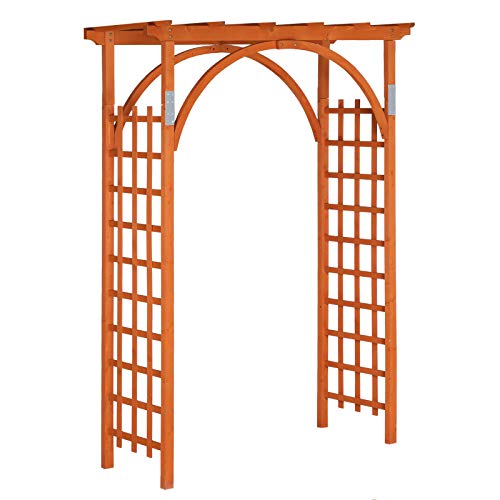
VINGLI 85in Wooden Arbor Garden Arch, Wedding Arch for Ceremony, Wood Trellis for Plant Climbing, Christmas Decor Pergola for Garden Backyard, Lawn (Golden Brown)
Check price on Amazon
VINGLI 85in Wooden Arbor Garden Arch,with Gate Wedding Arch for Ceremony, Garden Trellis for Plant Climbing Outdoor, Christmas Decor Archway for Garden Backyard, Lawn, Entryway, Halloween
Check price on Amazon
VINGLI 85in Wooden Arbor Garden Arch, Wedding Arch for Ceremony, Wood Trellis for Plant Climbing, Christmas Decor Pergola for Garden Backyard, Lawn
Check price on Amazon
VINGLI 85in Wooden Arbor Garden Arch, Wedding Arch for Ceremony, Wood Trellis for Plant Climbing, Christmas Decor Pergola for Garden Backyard, Lawn (Olive Green)
Check price on Amazon
Giantex 87in Tall Wooden Garden Arbor with Planter Boxes & Hanging Roof, Wood Garden Arch Trellis for Climbing Plants, Decorative Pergola Archway for Wedding Ceremony, Party, Backyard, Lawn
Check price on Amazon