Wooden Swing Bench Buying Guide: Choosing the Perfect Outdoor Seat
A wooden swing bench blends timeless craftsmanship with everyday comfort. This research-backed guide walks you through frame construction, wood species, hanging hardware, and design choices so you can select the right piece with confidence.
Why a wooden swing bench deserves careful research: Unlike a static bench, a swing bench carries dynamic loads every time it moves. The frame, the wood joints, the chains, and the mounting point all work together. Getting any one of them wrong shortens the product's life and compromises safety. This guide explains exactly what separates an entry-level model from a top-tier one—without guesswork.
What Exactly Is a Wooden Swing Bench?
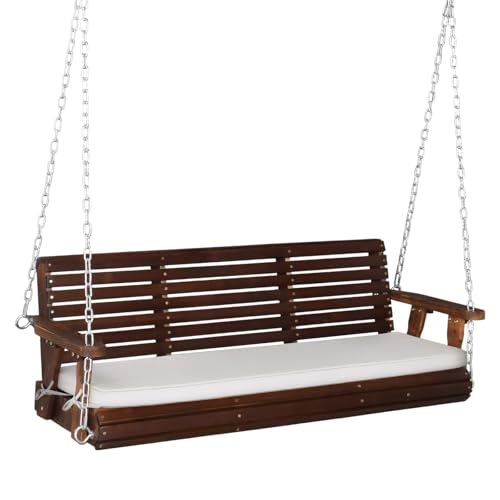
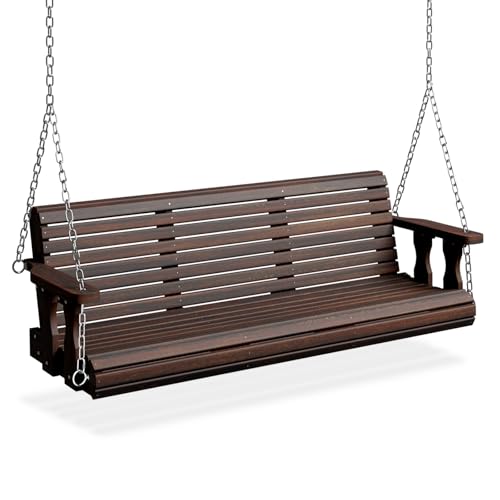
A wooden swing bench is a hanging or stand-mounted seat built from solid wood, designed to sway gently while supporting one to three adults. It sits at the intersection of three product families: the traditional wooden garden bench, the suspended wooden porch swing, and the freestanding yard swing. What distinguishes it is the combination of a wood frame with a suspension system—chains, ropes, or a rigid A-frame stand.
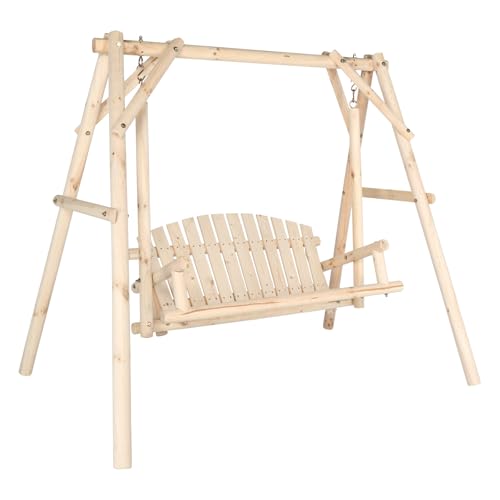
Most models fall into two broad configurations. Hanging swing benches suspend from a porch ceiling, pergola beam, or tree limb and rely on the structure above for support. Stand-mounted swing benches ship with their own frame, which makes them portable and suitable for patios or lawns without overhead structure. Both share the same core anatomy: a seat platform, a backrest, armrests, and a suspension interface.
Anatomy of a Quality Wooden Swing Bench
Before comparing models, understand the components that determine durability and comfort. Every part below should be evaluated independently.
1. The Frame and Joinery
The frame is the structural skeleton. High-quality swing benches use mortise-and-tenon or doweled joints rather than staples and screws alone. Look for reinforced corner blocks and cross-bracing beneath the seat. A wood furniture piece built with proper joinery resists racking—the side-to-side twisting that eventually loosens every fastener in a swing.
2. The Wood Species
Wood choice determines weather resistance, weight, and maintenance rhythm. The table below compares the most common species used in outdoor swing benches.
| Wood Species | Market Tier | Weather Resistance | Best For |
|---|---|---|---|
| Teak | Premium | Excellent (natural oils) | Long-term outdoor exposure, minimal upkeep |
| Cedar | Mid-range | Very good (natural rot resistance) | Porches and covered patios |
| Acacia | Mid-range | Good (hard, dense grain) | High-use family seating |
| Eucalyptus | Mid-tier | Good (tight grain) | Balanced durability and weight |
| Pine / Fir | Entry-level | Moderate (requires sealing) | Covered areas, seasonal use |
3. Suspension Hardware
Chains should be galvanized or stainless steel, rated well above the bench's working load. Ropes must be marine-grade and UV-stable. Spring-loaded snap hooks, S-hooks with safety closures, and heavy-duty eye bolts are all signs of a well-specified suspension system. Flimsy hardware is the single most common failure point in hanging swing benches.
4. Comfort Layers
Seat depth, backrest angle, and armrest height dictate how long you can comfortably sit. A seat depth between 18 and 22 inches suits most adults; a backrest angled slightly beyond vertical (roughly 100–105 degrees) reduces lower-back strain. Cushions—sold separately or included—add another comfort layer, and choosing outdoor-rated foam and fabric extends their useful life.
Types of Wooden Swing Benches
The category splits into distinct formats, each suited to a different setting. Understanding these formats helps you narrow the field before comparing individual products.
Hanging Porch Swing Bench
The classic format. Suspended from a porch ceiling or beam, it maximizes floor space and delivers the gentle motion most people associate with a swing. Installation requires a structural member rated for the combined weight of bench, occupants, and dynamic load. This is the format most closely related to the wooden porch swing category, and the two terms are often used interchangeably.
Stand-Mounted Swing Bench
A freestanding frame—usually steel or wood—supports the bench and eliminates the need for overhead structure. Stands are the practical choice for lawns, uncovered patios, and rental properties. The trade-off is footprint: a stand occupies significantly more ground area than a hanging bench.
Convertible Swing Bench
Some designs flip or fold into a picnic table or flat lounger. These multi-purpose pieces are excellent for compact yards. The wooden bench that turns into a picnic table is a good example of how a single frame can serve two distinct functions.
Garden and Park Style Swing Bench
Heavier frames, slatted backs, and decorative cast-iron or wrought details characterize this format. It overlaps with the wooden park bench aesthetic but includes suspension. These models suit larger gardens and communal spaces where visual presence matters as much as comfort.
How to Choose: A Step-by-Step Selection Framework
Work through these criteria in order. Each one narrows the field and prevents costly mismatches.
Step 1: Confirm Your Mounting Situation
Measure your available overhead structure. A porch ceiling joist, pergola beam, or tree limb must be sound and rated for the load. If no overhead structure exists, a stand-mounted model is the correct choice. Never hang a swing from drywall, fascia board, or a decorative beam that isn't load-bearing.
Step 2: Size for the Space and the People
Two-seat benches typically run 48 to 60 inches wide; three-seat models run 60 to 72 inches. Allow at least 24 inches of clearance on each side for swing motion, and confirm that the bench's swing arc won't collide with railings, walls, or furniture. Measure the doorway or gate the bench must pass through during delivery.
Step 3: Match the Wood to Your Climate
In humid or rainy climates, prioritize teak, cedar, or acacia. In dry climates, most species perform well provided you maintain a sealant schedule. Coastal environments demand stainless hardware and rot-resistant wood; salt air accelerates corrosion on standard galvanized chains. If you want to deepen your knowledge of wood care generally, the wood furniture guide covers sealing, oiling, and seasonal maintenance in detail.
Step 4: Evaluate the Suspension System
Check chain gauge, hook style, and the number of suspension points. Four-point suspension distributes load more evenly than two-point and reduces sway. Confirm that the hardware is included—some models sell chains separately, which is a detail worth catching before checkout.
Step 5: Plan for Cushions and Accessories
Outdoor cushions transform a rigid wooden seat into a lounging surface. Look for quick-dry foam and solution-dyed acrylic fabric. If you plan to add cushions, account for the extra seat depth they consume—about one to two inches. A small side table or a wicker side table nearby completes the setup for drinks and reading material.
Practical tip: Set up a test-swing before final installation. Hang the bench empty, then add weight equal to the expected occupant load and check for tilt, chain rub, and frame flex. A five-minute test prevents weeks of frustration.
Market Tiers at a Glance
Rather than comparing specific listings, it helps to understand what each tier of the market typically delivers. Use this as a mental checklist when reading product descriptions.
| Tier | Typical Construction | Hardware | Best For |
|---|---|---|---|
| Entry-level | Pine or fir, screwed joinery, thinner slats | Basic chains, standard hooks | Covered porches, seasonal use |
| Mid-range | Cedar, acacia, or eucalyptus; doweled joints | Galvanized chains, safety hooks | Year-round covered patios |
| Premium | Teak or dense hardwood, mortise-and-tenon joinery | Stainless steel, four-point suspension | Open gardens, coastal climates |
| Luxury / commercial-grade | Hand-finished hardwood, reinforced framing, custom sizing | Marine-grade hardware, engineered mounting kit | High-traffic communal spaces, long-term investment |
Mid-range models typically offer the best balance of durability and refined detailing, while premium and luxury tiers make sense when the bench will live outdoors year-round in demanding conditions. Entry-level models remain a solid choice for sheltered porches and occasional use.
Installation Essentials
Correct installation is not optional—it is the difference between a safe, long-lasting swing and a liability. Follow this sequence:
- Verify the mounting structure. Use a stud finder and, where possible, visual inspection to confirm joist or beam integrity. Consult a contractor if you have any doubt about load capacity.
- Install heavy-duty eye bolts or a mounting bracket. Pre-drill pilot holes to prevent splitting and use hardware rated for at least twice the expected load.
- Attach chains or ropes. Use spring snap hooks with safety closures. Adjust chain length so the seat sits at a comfortable height—typically 16 to 18 inches from the floor to the front edge of the seat.
- Level the bench. A slightly higher front edge (about one inch) encourages a gentle recline rather than a backward tilt.
- Test and adjust. Sit, swing, and listen. Squeaks usually indicate loose fasteners or chain rub; address them immediately.
For stand-mounted models, assemble the frame on a level surface, tighten all bolts in stages, and confirm the feet sit flush. Recheck fasteners after the first week of use, then seasonally thereafter.
Care and Maintenance Schedule
Wooden swing benches reward consistent, simple maintenance. A bench that is cleaned and sealed on schedule can last for decades.
- Monthly: Wipe down the frame, check chain tension, and tighten any loose fasteners.
- Seasonally: Inspect hardware for corrosion, oil moving joints, and clean cushion covers according to the manufacturer's instructions.
- Annually (or biennially in mild climates): Reapply a quality wood sealant or penetrating oil. The wood sealants guide explains how to choose between film-forming and penetrating products.
- Before winter: Remove cushions, cover the bench, and reduce chain slack to limit stress from wind and snow load.
In coastal areas, rinse the frame and hardware with fresh water monthly to remove salt residue. Salt accelerates corrosion on all but marine-grade stainless steel.
Design and Placement Ideas
A swing bench is a focal point. Treat it as you would a piece of indoor furniture—give it breathing room and a purpose.
- Porch focal point: Center the bench on the porch and anchor it with an outdoor rug and a pair of planters. Add a small side table for a drink and a book.
- Garden retreat: Place a stand-mounted bench near a flower border or under a shade tree. Pair it with a wooden arbour for garden to create a defined seating zone.
- Poolside or patio edge: Use a swing bench as a quiet counterpoint to dining and lounging areas. Keep it away from splashing zones to protect the wood finish.
- Cozy corner: In small spaces, a two-seat swing bench tucked into a corner with cushions and a wind chime overhead creates an intimate reading nook.
Color and finish matter too. Natural oiled finishes suit rustic and garden settings; painted finishes work well on coastal and cottage-style porches. Whatever the finish, plan to refresh it periodically—wood is a living material that responds to sunlight, moisture, and temperature swings.
Frequently Asked Questions
What wood is best for a wooden swing bench?
Teak, cedar, and acacia are the most weather-resistant choices. Teak sits in the premium tier and demands the least maintenance; cedar offers natural rot resistance at a mid-range position; acacia delivers a hard, dense grain at a similar tier. Pine and fir are common in entry-level models but need more frequent sealing.
How much weight can a wooden swing bench hold?
Most quality two-seat benches are rated for 400 to 500 pounds when properly installed. Three-seat and reinforced porch swings may support 600 pounds or more. Always check the stated capacity and confirm your mounting point is rated for the same load.
Do I need a stand for a wooden swing bench?
Only if you lack a sound overhead structure. Porch ceilings, pergola beams, and sturdy tree limbs can support a hanging bench with correct hardware. A freestanding stand is the better choice for lawns, rentals, and spaces where no overhead anchor exists.
Can a wooden swing bench stay outside in winter?
Yes, provided the wood is sealed and the hardware is corrosion-resistant. Remove cushions, cover the bench, and reduce chain slack to limit wind and snow stress. In extreme climates, storing the bench in a shed or garage extends its life considerably.
How high should a swing bench hang?
Aim for 16 to 18 inches from the floor to the front edge of the seat. Keep the front edge about one inch higher than the back to encourage a gentle recline. Adjust chain length in even increments so the bench stays level side to side.
Are wooden swing benches comfortable without cushions?
Well-designed slatted seats are comfortable for short sessions, but cushions transform the experience for longer reading or lounging. Choose quick-dry foam and solution-dyed acrylic fabric, and bring cushions indoors during off-season or heavy rain.
Ready to Compare Wooden Swing Benches?
Scroll down to browse curated options matched to this guide. Compare construction, tier, and features side by side, then choose the bench that fits your space and climate.