Wooden Porch Swing: The Complete Buying Guide
Everything you need to know before choosing a wooden porch swing — from wood species and hanging hardware to sizing, comfort, and long-term care. Make a confident, informed decision for your outdoor retreat.
Already know you want a wooden porch swing? You're in the right place. This guide cuts through the noise and focuses on the details that actually matter when you're comparing models: construction quality, wood durability, hanging safety, seating comfort, and long-term maintenance. By the end, you'll understand exactly which tier and features align with your porch and lifestyle.
Why Choose a Wooden Porch Swing?
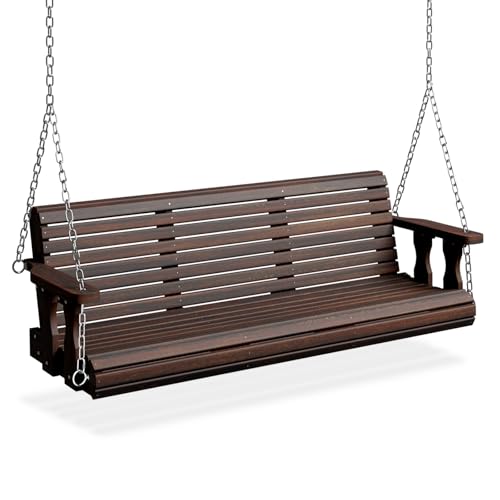
Wood remains the most popular material for porch swings for good reason. It offers a natural aesthetic that blends seamlessly with both traditional and modern homes, feels warm to the touch in every season, and can be refinished over time to extend its service life. Unlike metal swings that can feel cold or develop squeaks, a well-built wooden swing delivers a quiet, smooth gliding motion and a timeless look.
Wooden swings also pair beautifully with other natural-material outdoor pieces. If you're building a cohesive porch or patio, you'll find plenty of complementary inspiration in our wood patio furniture collection and our broader wood furniture care resources.
The key is understanding that not all wood is equal. The species, grain orientation, joinery, and finish all influence how a swing performs over years of exposure to sun, humidity, and temperature swings.
Wood Types Compared: Which Species Is Right for You?
The wood species is the single biggest factor in a swing's durability, weight, and maintenance requirements. Here's how the most common options stack up:
- Teak (premium/luxury tier): Naturally rich in oils that repel water and resist rot. Requires minimal maintenance and ages to a beautiful silver-gray if left untreated. The heaviest and most durable option, but also the most substantial investment.
- Acacia (mid-range to premium tier): Dense, hard, and naturally water-resistant. A strong middle ground with excellent durability and a warm, rich grain. Slightly more prone to movement than teak but performs very well with proper sealing.
- Cedar (mid-range tier): Naturally resistant to rot and insects, lightweight, and aromatic. An excellent choice for covered porches. Requires periodic sealing to maintain its color and prevent drying and cracking.
- Pine (entry-level to mid-range tier): Widely available and easy to work with, but requires regular sealing and is softer, so it dents more easily. Best suited for covered porches with consistent care.
- Eucalyptus (mid-range tier): A dense hardwood with good natural weather resistance. Often finished with a protective oil. A solid performer that balances durability and weight.
- Poplar and other soft hardwoods (entry-level tier): Lighter and easier to hang, but less durable outdoors. Best for fully sheltered porches and lighter use.
If you're also considering other wood seating for your outdoor space, our guide to wooden garden benches and wood patio ideas can help you match the swing to your overall design.
Wooden Porch Swing Tiers at a Glance
Use this table to understand what to expect at each quality tier. Tiers reflect relative market positioning, construction quality, and material grade — not any specific figures.
| Tier | Typical Wood Species | Construction Quality | Best For |
|---|---|---|---|
| Entry-level | Pine, lighter soft hardwoods | Basic joinery, thinner slats, simpler hardware | Covered porches, seasonal use, first-time buyers |
| Mid-range | Cedar, eucalyptus, acacia | Solid joinery, thicker profiles, quality chains and brackets | Year-round covered porches, regular family use |
| Premium | High-grade acacia, select cedar | Reinforced joinery, precision-milled slats, premium hardware | Frequent use, exposed porches with moderate weather |
| Luxury | Teak, top-select hardwoods | Heirloom-grade joinery, exceptional grain matching, commercial-grade hardware | Long-term investment, exposed porches, design-focused homes |
Sizing and Capacity: Getting the Fit Right
Porch swings generally fall into three length categories: two-seat (around 4 feet), three-seat (around 5 feet), and four-seat or bench-style (around 6 feet). The right choice depends on your porch width, the number of regular users, and the swing's weight capacity.
Always leave at least 18 inches of clearance on each side of the swing so it can glide without contacting railings or walls. For depth, aim for at least 4 feet of front-to-back clearance. If your porch is on the smaller side, a two-seat wooden swing is often the smarter choice — and you can complement it with space-efficient seating like wooden outdoor chairs or a wicker porch chair to round out the seating area.
Pay close attention to the stated weight capacity. A mid-range or premium swing typically supports two to three adults comfortably. If you have growing kids or frequently host guests, step up to a premium or luxury tier for a more substantial frame and reinforced joinery.
Hanging Hardware and Installation Safety
The swing itself is only half the equation. The hanging system determines how smoothly it glides and how safe it is over time. Most wooden porch swings use either chains or ropes suspended from ceiling-mounted brackets or eye bolts.
- Chains (most common): Durable, adjustable, and easy to inspect. Look for chains rated for the swing's capacity with a safety margin. Stainless steel or galvanized chains resist rust best.
- Ropes: A softer, more traditional look, but ropes stretch over time and require re-tensioning. Use only marine-grade rope rated for outdoor use.
- Brackets and eye bolts: Must be anchored into solid structural framing — never into drywall or thin ceiling panels. For porch ceilings, a spreader bar or a pair of joist-mounted brackets distributes the load safely.
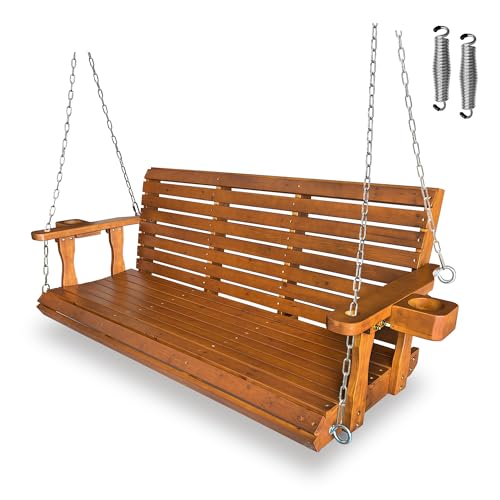
- Springs: Optional spring inserts between the chain and the swing soften the motion and reduce stress on the frame. They're a worthwhile addition for a smoother ride.
If you're handy, installing a swing is a manageable DIY project. If not, professional installation is a sound investment for peace of mind. For related DIY inspiration, see our pergola kits guide.
Comfort Features That Matter
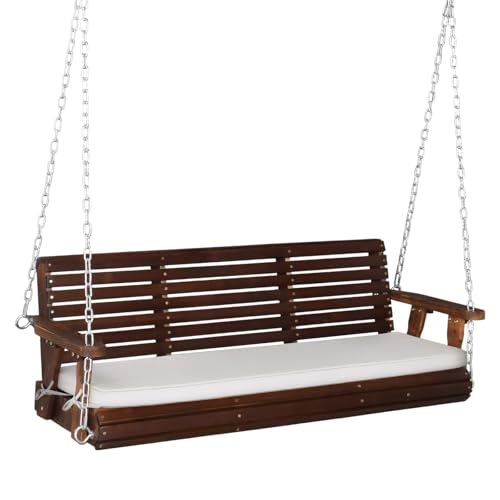
Seat depth, back angle, and slat spacing have a bigger impact on comfort than most buyers realize. A seat depth of at least 18 inches supports the thighs properly; a gently reclined back (around 15–20 degrees) reduces fatigue during long sits. Wider slats with small gaps feel more supportive than thin slats with wide gaps. If you plan to add cushions, choose a swing with a flat seat profile rather than a deeply contoured one.
Care and Maintenance for Long-Term Performance
A wooden porch swing will last for many years with a simple care routine. The specific steps depend on the wood species and finish, but the general approach is consistent:
- Clean regularly: Wipe down with mild soap and water, then dry thoroughly. Avoid harsh chemical cleaners that strip protective oils.
- Inspect hardware seasonally: Check chains, bolts, and brackets for wear, rust, or loosening. Replace any compromised components immediately.
- Reapply finish as needed: Sealed or oiled finishes typically need refreshing every one to two years depending on exposure. Our guide to wood sealants covers the options in detail.
- Protect during extreme weather: If your swing is on an exposed porch, consider a fitted cover during off-season months or storms.
- Tighten joinery: Over time, seasonal expansion and contraction can loosen screws and bolts. A quick seasonal tightening keeps the swing solid and quiet.
For a broader look at protecting all your wooden outdoor pieces, see our weatherproofing guide.
Matching Your Swing to Your Porch Style
A wooden porch swing is a focal point, so it should feel intentional alongside the rest of your porch. A few pairing ideas:
- Traditional farmhouse: A cedar or pine swing with a classic slat-back design, paired with a wooden rocking chair and a wooden garden table for a coordinated look.
- Coastal: A teak or acacia swing with a natural or whitewashed finish, accented with striped cushions and a wind chime nearby.
- Modern minimal: A clean-lined acacia swing with a dark stain, paired with a wicker side table for drinks and a small plant.
- Rustic garden: A cedar swing hung from a wooden arbour or pergola, surrounded by planters and a wooden park bench for extra seating.
If you're also shopping for a swing that doubles as a bench, explore our wooden swing bench page and the wooden bench with back options for related styles.
Frequently Asked Questions
How much weight can a wooden porch swing hold?
Capacity varies by tier and construction. Entry-level swings typically support two average adults, while mid-range and premium models often support three adults or more. Always check the manufacturer's stated capacity and ensure your hanging hardware is rated above that figure for a safe margin.
Do I need a covered porch for a wooden swing?
Not necessarily, but exposure matters. Teak and high-grade acacia handle sun and rain well with minimal care. Cedar and pine perform best under a roof or with regular sealing. If your porch is fully exposed, a luxury-tier species or a fitted cover is a smart choice.
What's the best wood for a porch swing?
Teak is the top-performing species for durability and low maintenance. Acacia and cedar are excellent mid-range and premium options that balance performance and upkeep. Pine is a solid entry-level choice for covered porches with consistent care.
Can I hang a wooden porch swing from a pergola?
Yes, provided the pergola's beams are structurally rated for the load. Never hang a swing from a decorative or non-load-bearing beam. Reinforce or consult a professional if you're unsure. Our pergola kits guide covers load considerations.
How often should I reseal a wooden swing?
Most sealed or oiled finishes benefit from refreshing every one to two years, depending on climate and exposure. Inspect the finish each season — if water no longer beads on the surface, it's time to reseal. See our wood sealants guide for product types.
Ready to Choose Your Wooden Porch Swing?
You now have the full picture: wood species, tier expectations, sizing, hardware, comfort, and care. Use the recommended products below to compare real options and find the swing that fits your porch and your lifestyle.