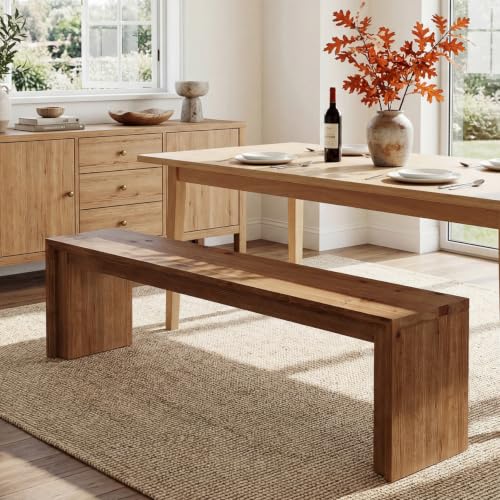
Wooden Bench with Back for Dining Table: Complete Buyer's Guide
Everything you need to know about choosing a backrest dining bench that combines comfort, durability, and timeless style for your outdoor or indoor dining space.
Why a backrest bench deserves a place at your table: A wooden bench with back for a dining table solves two problems at once — it seats more people in the same footprint as individual chairs, and it gives guests proper lumbar support for long, relaxed meals. This guide walks you through sizing, wood species, comfort features, and styling so you can buy with confidence.
What Is a Wooden Bench with Back for a Dining Table?
A wooden bench with back for a dining table is a long, back-supported seat designed to slide under or alongside a dining table, replacing two or more individual chairs on one side. Unlike a backless picnic bench, a backrest model provides continuous support along the spine, which makes it far more comfortable for seated dinners, brunches, and evening entertaining that stretch beyond an hour.
These benches are typically built from solid hardwoods or durable softwoods, finished with weather-resistant coatings for outdoor use, and sized to pair with rectangular, oval, or round dining tables. Many models also coordinate with matching wood dining table with bench configurations, creating a unified farmhouse or craftsman look.
The appeal is practical and aesthetic. Benches tuck neatly under the table to free up patio floor space, they encourage a communal, gathered-around-the-table feel, and their clean horizontal lines bring visual calm to a busy outdoor setting. For homeowners who want the relaxed charm of a wood patio without the visual clutter of mismatched chairs, a backrest bench is an elegant answer.
Key Factors to Evaluate Before You Buy
Buying a dining bench is not complicated, but a few dimensions and material decisions determine whether it feels like a natural extension of your table or an awkward afterthought. These are the factors that matter most.
Seat Height Alignment
The bench seat should sit at the same height as your dining chairs, typically 17 to 19 inches from the ground. Mismatched heights create an uneven table line and uncomfortable posture for guests.
Bench Length vs Table Length
As a rule, keep the bench about 12 inches shorter than the table on each end. A 60-inch table pairs well with a 48- to 54-inch bench that comfortably seats two adults.
Backrest Angle and Height
A slight recline of 5 to 10 degrees and a backrest height of 14 to 18 inches above the seat provide real support without pushing guests away from the table edge.
Seat Depth
Aim for at least 15 inches of seat depth. Deeper seats suit taller guests, while shallower seats help smaller diners keep their feet grounded and their posture upright.
Wood Species and Finish
Hardwoods like teak, acacia, and shorea resist moisture and wear. Softwoods such as cedar and pine need more frequent sealing but remain solid choices for covered patios.
Weight and Portability
Solid hardwood benches are heavy and stable but difficult to move alone. If you reconfigure your patio often, consider a lighter frame or a bench with built-in handles.
Wood Species Comparison by Quality Tier
The wood species is the single biggest determinant of how long your bench will last and how much maintenance it will demand. Instead of shopping by sticker number, think in terms of quality tiers — each tier reflects a distinct balance of durability, density, and upkeep.
| Tier | Typical Wood Species | Durability Profile | Best For | Maintenance Level |
|---|---|---|---|---|
| Starter Tier | Pine, fir, spruce | Moderate density; requires regular sealing | Covered porches and seasonal use | Annual sealing recommended |
| Mid-Tier | Cedar, cypress, eucalyptus | Natural rot resistance; stable grain | Year-round patios in moderate climates | Seal every 1–2 seasons |
| High-End Tier | Acacia, shorea, mango | Dense hardwood; strong weather resistance | Full-sun patios and heavy daily use | Light oiling as needed |
| Top-Tier | Teak, ipe, mahogany | Exceptional density and natural oils | Premium outdoor living spaces | Minimal; ages gracefully |
As a general principle, models in the mid-tier and high-end tier deliver noticeably better dimensional stability than starter-tier benches, which translates into fewer cracks, less warping, and a longer service life. If your bench will sit in direct sun and rain, investing in a high-end tier species is a worthwhile long-term decision. Pair your choice with a quality wood sealant to protect the finish through the seasons.
Comfort Features That Actually Matter
A backrest alone does not guarantee comfort. These design details separate a bench that guests love from one they tolerate.
Contoured Seats vs Flat Seats
Flat plank seats are traditional and easy to clean, but a gently contoured or scooped seat distributes weight more evenly and reduces pressure points during long meals. Many high-end tier benches now feature a subtle saddle shape that feels supportive even without a cushion.
Cushions and Fabric Selection
A fitted outdoor bench cushion transforms comfort instantly. Choose closed-cell foam wrapped in solution-dyed acrylic or olefin fabric, which resists fading and mildew. If you prefer the bare wood look, consider a bench with a slatted seat that allows water to drain and air to circulate.
Armrests: Optional but Impactful
Armrests on a dining bench can interfere with sliding in and out, so many designs omit them deliberately. If comfort for older guests is a priority, look for low-profile armrests that sit below the table apron, or place the backrest bench on the wall side where guests enter from one direction.
Backrest Slat Design
Vertical slats and horizontal rails both provide support, but the spacing affects airflow and visual weight. Wider gaps keep the bench airy and easy to wipe down, while closely spaced slats feel more enclosed and formal. A gentle curve across the backrest adds ergonomic support that flat backs cannot match.
Pro Tip: Test the "Slide Test" Before Buying
A dining bench should let guests slide in and out without lifting the seat or scraping the table apron. Look for a bench with a slightly rounded front edge and a seat that sits roughly 1 to 2 inches lower than the table apron. If you cannot test in person, check the product's seat height and table clearance specifications carefully — many returns happen because the bench backrest collides with the table edge.
Sizing Your Bench to Your Table
Getting the proportions right is the difference between a bench that looks intentional and one that looks squeezed in. Use these guidelines as a starting point.
- Two-seat bench: 42 to 54 inches long, ideal for tables 54 to 66 inches long.
- Three-seat bench: 60 to 72 inches long, ideal for tables 72 to 84 inches long.
- Four-seat bench: 78 to 96 inches long, ideal for tables 90 inches and longer.
- Seat height: match your dining chairs, typically 17 to 19 inches.
- Table clearance: allow at least 12 to 15 inches between the bench front and the table edge for legroom.
If your table seats six with chairs on both long sides, a backrest bench on one side and three individual chairs on the other is a balanced, space-efficient arrangement. This mixed seating approach works especially well on a wood patio furniture layout where matching pieces create visual cohesion without looking catalog-stiff.
For oval and round tables, a slightly shorter bench with a gentle curve along the front edge follows the table line more naturally. For rectangular tables, straight benches look cleanest. If you are pairing the bench with a table that has an umbrella hole, confirm the bench height does not block the umbrella pole base.
Outdoor vs Indoor Placement
The same bench design can serve indoors and outdoors, but the finish and construction requirements differ.
For Covered Patios and Porches
A covered patio protects the bench from direct rain and UV exposure, so mid-tier species like cedar or cypress perform beautifully with minimal maintenance. A backrest bench on a covered porch also pairs naturally with a wooden porch swing or a set of wooden rocking chairs to create a cohesive, welcoming seating zone.
For Open Patios and Decks
Full exposure demands a top-tier species or a high-grade protective finish. Teak and ipe are the gold standard, but acacia and shorea offer strong weather resistance at a more accessible position in the market. Ensure the bench has stainless steel or galvanized hardware, since standard steel screws corrode quickly in damp outdoor environments.
For Indoor Dining Rooms and Kitchen Nooks
Indoors, the priorities shift to finish quality and visual warmth. A backrest bench against a wall or window creates a cozy breakfast nook and maximizes floor space in compact dining rooms. Coordinate with a wooden dining table with bench and chairs for a mixed-seating arrangement that feels curated rather than matched.
Styling Your Backrest Bench
A wooden bench with back is a versatile design anchor. A few styling choices make it feel intentional within the larger space.
- Pair with a matching table: A bench and table cut from the same species and finish create a unified farmhouse look. A wood kitchen table with bench and chairs configuration brings the same idea indoors.
- Layer with cushions: A long bench cushion plus two or three throw pillows adds comfort and color without overwhelming the wood grain.
- Add a side table: A small wicker side table or a wrought iron side table with glass top at one end gives guests a place for drinks and keeps the table surface clear.
- Define the zone with a rug: An outdoor rug under the table and bench visually anchors the dining area and protects the patio surface.
- Balance with greenery: A planter or a pair of outdoor planters flanking the bench softens the hard lines of wood furniture.
Care and Longevity
A well-built wooden bench can last a decade or more with basic care. These habits preserve both structure and finish.
- Clean regularly: Wipe down with a mild soap solution and rinse thoroughly. Avoid harsh chemical cleaners that strip natural oils.
- Seal on schedule: Apply a penetrating oil or film-forming sealant based on the wood species and your climate. Starter-tier woods need annual attention; top-tier hardwoods may need only occasional oiling.
- Store or cover in harsh seasons: If your bench sits on an open patio through freezing winters, a fitted cover prevents ice damage and reduces spring cleanup.
- Check hardware: Tighten bolts and inspect for rust at the start of each season. Replace corroded fasteners promptly.
- Address cracks early: Small surface checks are normal in solid wood, but deep splits should be filled and sealed to prevent moisture intrusion.
For a broader maintenance routine that covers the entire dining set, see our guide to wood furniture care.
How a Bench Fits Into a Larger Dining Set
Buying a bench rarely happens in isolation — it is usually part of a larger dining or patio refresh. A backrest bench pairs beautifully with several common configurations:
- A wooden table and bench set for a fully coordinated farmhouse look.
- A wood picnic table replaced with a bench-and-table combination for a more residential feel.
- A wooden garden table and chairs set, with the bench replacing one side of chairs.
- A wooden garden furniture set where the bench becomes the flexible extra seating piece.
- A wood outdoor dining set with umbrella hole, with the bench positioned on the shaded side.
If you already own a wooden dining table with bench and chairs, adding a backrest bench upgrades the comfort of the existing bench without changing the overall table footprint.
Common Buying Mistakes to Avoid
- Ignoring table apron clearance: A backrest can collide with the table edge if the bench is too tall or too deep. Measure both before buying.
- Choosing a bench that is too long: An overlong bench crowds the table ends and makes seating awkward. Follow the 12-inch-per-side guideline.
- Overlooking hardware material: Outdoor benches need stainless or galvanized fasteners. Standard steel rusts within a season.
- Assuming all "outdoor" benches are equal: Some benches labeled outdoor use softwoods with a thin finish that fails quickly. Check the species and finish specification.
- Forgetting cushion storage: Outdoor cushions need dry storage when not in use. Plan for a storage box or indoor spot before you buy.
Frequently Asked Questions
What size wooden bench with back do I need for my dining table?
A typical dining bench should be about 12 inches narrower than your dining table on each end for comfortable seating without crowding. For a standard 60-inch table, a 48- to 54-inch bench works well for two adults. Bench seat height should match your chair seat height, usually 17 to 19 inches from the floor.
Is a wooden bench with back comfortable for long meals?
Yes, a backrest bench is significantly more comfortable than a backless bench for extended dining. Look for a slightly reclined back angle of 5 to 10 degrees, a seat depth of at least 15 inches, and a contoured or generously thick seat. Adding a fitted outdoor cushion further improves comfort for long gatherings.
Which wood is best for an outdoor dining bench?
Teak, acacia, and shorea are top-tier choices for outdoor use due to natural oils and dense grain. Cedar and cypress are excellent mid-range options that resist rot. Pine and fir are entry-level choices that require regular sealing. Regardless of wood type, a weather-resistant finish and proper seasonal care extend the bench's life.
Can a wooden bench with back be used indoors too?
Absolutely. A wooden bench with back works beautifully in kitchens, breakfast nooks, and open-plan dining rooms. Choose a bench with a clean, finished profile and pair it with a matching wooden dining table for a cohesive farmhouse or contemporary look.
Ready to Find the Right Bench for Your Table?
Browse our curated selection of backrest dining benches and compare comfort features, wood species, and sizing at a glance.
Explore Bench Options