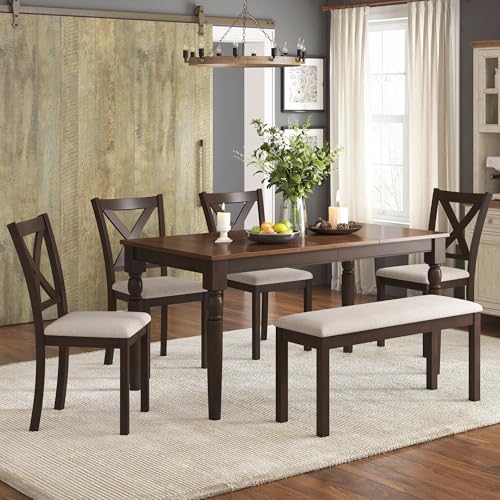
Wood Kitchen Table with Bench and Chairs
Your complete guide to choosing a solid wood kitchen dining set that combines warmth, durability, and everyday practicality for busy family homes.
Why choose a wood kitchen table with bench and chairs? A solid wood kitchen table paired with a bench and matching chairs is one of the most practical and enduring dining arrangements for family life. It seats more people in less floor space than individual chairs alone, encourages togetherness, and brings natural warmth to the heart of the home. This guide walks you through every decision point, from wood species and finish to dimensions and seating ergonomics, so you can buy with confidence.
Understanding the Wood Kitchen Table with Bench and Chairs Format
The wood kitchen table with bench and chairs format has surged in popularity because it solves a common household problem: how to seat a growing family comfortably without overcrowding the kitchen. A bench tucks neatly beneath one long side of the table, freeing visual floor space and allowing you to seat two to three people on a single side. On the opposite side, individual chairs give everyone their own defined seat and back support. The result is a flexible arrangement that scales from a quick weekday breakfast to a full holiday dinner.
This configuration works especially well in open-plan kitchens where the dining area doubles as a homework station, a workspace, or a gathering point. If you are also furnishing a covered porch or sunroom, you may find complementary ideas in our guide to wicker sunroom furniture, which follows the same principles of multi-functional seating.
Choosing the Right Wood Species
The wood species determines the table's durability, grain character, and long-term maintenance needs. Here is how the most common options compare for a kitchen dining set:
Oak and Ash
Oak and ash are open-grained hardwoods known for exceptional strength and a bold, visible grain pattern. They resist denting well, making them a sound pick for households with young children. Oak takes stain beautifully and develops a rich patina over decades. These species sit comfortably in the mid-range to premium segment of solid wood furniture and are a long-term investment for families who want a table that will last through generations.
Maple and Birch
Maple and birch offer a tighter, more uniform grain and a lighter natural tone that suits modern and transitional kitchens. Maple is notably hard and shock-resistant, which makes it a strong performer for a busy breakfast table. Birch is slightly softer but shares a similar clean look. Both are excellent choices if you prefer a painted or lightly stained finish, since their subtle grain accepts color evenly.
Pine and Rubberwood
Pine is a softwood with a warm, knotty character and a relaxed farmhouse feel. It is the most accessible option in the entry-level tier and ideal for casual kitchens or second homes, though it dents more readily than hardwoods. Rubberwood, a dense tropical hardwood often used in mid-tier sets, punches well above its weight: it is stable, takes paint well, and offers a solid build at an accessible position in the market. If you are weighing up how this set will age, our wood furniture care guide covers species-specific maintenance in depth.
Comparing Table Tiers at a Glance
To help you map quality levels without getting lost in specifications, here is a tier-based comparison of what you can expect from a wood kitchen table with bench and chairs at each position in the market:
| Tier | Typical Construction | Best For |
|---|---|---|
| Entry-level | Pine or rubberwood, stapled or simple joinery, thinner tops | First apartments, casual breakfast nooks, seasonal homes |
| Mid-range | Solid rubberwood or birch, mortise-and-tenon joints, 1-inch tops | Busy family kitchens, everyday use, balanced tier for most homes |
| Premium | Oak, ash, or maple, glued edge panels, thicker tops, quality hardware | Long-term family dining, high-traffic households |
| Luxury | Hand-selected hardwoods, traditional joinery, artisan finishes | Heritage pieces, design-led kitchens, lifelong ownership |
Within any tier, a well-specified set with reinforced joinery will outlast a heavier-looking alternative with weak construction. Focus on how the table is built, not simply how thick it appears.
Sizing the Table, Bench, and Chairs for Your Kitchen
Getting the dimensions right is the single most important step before you commit. A table that is too large blocks circulation; one that is too small leaves elbows bumping.
Table Length and Seating Capacity
- Four to six seats: A 60- to 72-inch table works well, with a bench along one 60-inch side seating two adults or three children.
- Six to eight seats: Look for 72- to 84-inch lengths. A bench on one side plus three chairs opposite seats six comfortably, with room to add a chair at each end.
- Eight or more: An 84- to 96-inch table, or a table with extension leaves, supports two benches or a bench-plus-chairs arrangement at full stretch.
Standard Heights
Standard dining height remains the most flexible choice. A table surface of around 30 inches pairs with a bench seat of 18 inches and chair seats of 18 inches. If you prefer a counter-height arrangement, keep the relationship consistent: a 36-inch table pairs with 24-inch benches and stools. For an overview of matching high seating, see our guide to wood and metal bar stools with back.
Bench Depth and Clearance
A bench depth of 14 to 16 inches is comfortable for adults; deeper benches invite slouching and are better suited to a storage bench along a wall. Leave at least 30 inches between the table edge and any wall or counter to allow the bench to slide out easily. If storage is a priority, a wicker storage bench can supplement a plain wooden bench elsewhere in the room, though for the table itself a solid wood bench matched to the set is the better long-term partner.
Bench versus Chairs: Getting the Balance Right
Benches are space-efficient, sociable, and forgiving with children, who can slide along rather than lift chairs. Chairs, meanwhile, offer back support, defined personal space, and easier access for older diners. A practical blend is a bench on the side facing the kitchen wall and two to three chairs on the open side, so the bench never traps anyone. Choose chairs with a seat height matched to the bench and a back profile that does not obscure sightlines across the table.
If your set lives near a sunny window or an open doorway, consider how UV exposure will affect the finish. Light protection advice applies equally to dining pieces and to our recommendations for wood Adirondack chairs used outdoors.
Finishes, Sealants, and Everyday Protection
A kitchen table faces spills, heat, and daily wiping, so the finish matters as much as the wood. Hardwax oil finishes feel natural underhand and can be spot-repaired, making them a favorite for family tables. Polyurethane offers a tougher, more water-resistant surface but can be harder to touch up. Always use coasters under hot dishes and wipe spills promptly, whatever the finish.
For painted or naturally finished tables, a quality wood sealant applied per the manufacturer's schedule will dramatically extend the surface life and reduce staining. Re-oil or re-seal roughly once a year, or whenever water stops beading on the surface. If your set sits in a conservatory or near patio doors, treat it with the same care as wood patio furniture, since humidity swings affect interior pieces too.
Style Directions That Work in a Kitchen
The wood kitchen table with bench and chairs format suits several design languages without compromise:
- Farmhouse: A pine or oak trestle table with a backless bench and ladder-back chairs in a natural or whitewashed finish.
- Modern rustic: A thick maple top with a dark stain, a low bench, and slim spindle chairs for visual contrast.
- Scandinavian: Light birch or ash, tapered legs, a pale oil finish, and a simple bench with a slatted seat.
- Industrial: A solid wood top paired with a black metal frame, echoing the look of wrought iron table and chairs sets while keeping the warmth of timber.
- Transitional: A mid-tone oak table with upholstered bench pads and classic chairs for a softer, more tailored feel.
Pairing a wooden table with woven or wicker seating elsewhere in the room, such as wicker porch chairs in an adjacent sunroom, creates a cohesive natural-material story through the home.
Assembly, Delivery, and What to Inspect on Arrival
Most wood dining sets arrive flat-packed or partially assembled. Before you order, confirm the box dimensions against your doorways and stairwell. On arrival, inspect the tabletop edges, bench rails, and chair joints for shipping damage before assembly, and photograph any issues immediately. Follow the torque guidance for bolts carefully: over-tightening compresses the wood and can split it over time. After assembly, check that the table and bench sit level; small felt pads under the feet protect hard floors and absorb minor unevenness.
Many quality mid-range and premium sets ship with a multi-year structural warranty. Keep your receipt and assembly instructions together, and register the product if the maker offers it, so warranty support is straightforward.
Care and Maintenance Through the Seasons
Wood is a living material that responds to humidity. In winter, when indoor air dries out, keep the table away from radiators and consider a humidifier to prevent splitting. In humid summer months, avoid placing the set against a damp external wall. Wipe with a slightly damp cloth and dry immediately, never letting water pool on the surface. For deeper cleaning, use a pH-neutral wood cleaner and follow with a fresh coat of oil or wax if the finish looks dull.
If you also own outdoor timber pieces, the maintenance rhythms overlap usefully, as explained in our wood dining table with bench guide, which shares many of the same sealing and inspection routines.
Common Questions Before You Buy
Can a bench seat replace chairs entirely?
Yes for casual kitchens, but for daily meals most families prefer a bench on one side and chairs on the other for easier access and back support. A fully benched layout works best when both sides are accessible.
Is a wooden bench comfortable for long meals?
A flat wooden bench is fine for short meals; for longer dinners, add a fitted cushion pad of at least two inches. Choose a pad with ties or a non-slip base so it stays put as people slide on and off.
How do I know if the table is solid wood or veneer?
Look at the end grain on the table edge: solid wood shows continuous grain running through the board, while veneer shows a thin face layer over a core. Check the underside too, where makers often use more economical materials.
Will the set fit through a standard doorway?
Most tables ship in sections, but a fully assembled table can be wider than a doorway. Confirm box sizes and whether legs detach; if not, plan for assembly inside the room.
What finish is best for a family with young children?
A hardwax oil or a well-cured polyurethane finish offers good spill resistance. Both can be touched up locally, which matters because small dents and scuffs are inevitable in busy kitchens.
Ready to Compare Sets?
Use the curated product selection below to explore a wood kitchen table with bench and chairs at several quality tiers, then match your shortlist against the sizing and finish guidance above.