Complete Winter Storage Guide for Patio Furniture
Protect your investment and extend the life of your outdoor furniture with our comprehensive winter storage strategies. From cleaning to covers, we've got you covered.
Jump to Storage EssentialsWhy Winter Storage Matters
As the seasons change and temperatures drop, your patio furniture faces harsh conditions: freezing rain, snow, ice, and UV rays that can fade, crack, or rust even the most durable materials. Proper winter storage isn't just about tidiness—it's about protecting your investment and ensuring your outdoor space is ready to enjoy when spring returns. Whether you have a cozy patio sofa or a full dining set, taking the right steps now can save you hundreds of dollars in replacements.
In this guide, we'll walk you through every step: cleaning, drying, choosing the right covers, indoor vs. outdoor storage, and special care for different materials like wood, metal, and wicker. By the end, you'll have a clear plan to keep your furniture in top condition all winter long.
Step 1: Clean & Prepare Your Furniture
Before you cover or store anything, give your furniture a thorough cleaning. Dirt, pollen, and food residue can attract mold and pests during storage. Here's a simple checklist:
- Wipe down all surfaces with a mild soap and warm water solution. For stubborn stains, use a specialized furniture cleaner appropriate for your material.
- Rinse thoroughly and let everything dry completely. Moisture is the enemy of winter storage—it leads to mildew and rust.
- Inspect for damage: tighten loose screws, sand rough edges, and touch up any chipped paint or sealant.
- Remove and clean cushions separately. Most cushion covers are machine-washable; check the care tag. Allow them to air dry completely before storing.
Step 2: Dry & Protect
One of the most common mistakes is storing furniture while it's still damp. Moisture trapped under covers can cause mold, rot, and corrosion. After cleaning:
- Let furniture air dry for at least 24–48 hours in a well-ventilated area. If possible, place it in direct sunlight to speed up the process.
- Apply a protective layer: For wood furniture, use a wood sealant or outdoor wax. For metal, a light coat of automotive wax can add extra rust protection. Wicker and resin pieces typically don't need additional treatment, but a quick wipe with a protectant spray helps.
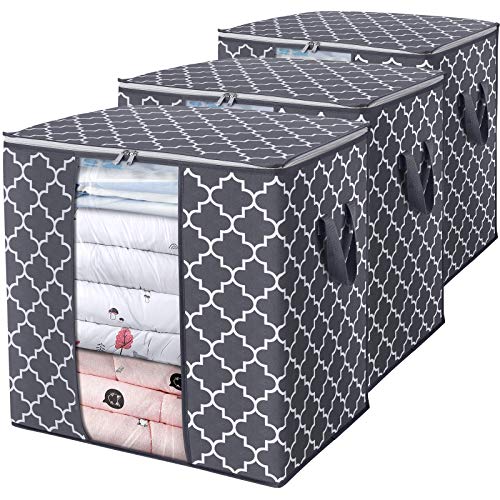
- Remove all cushions and store them separately in breathable bags. Never store cushions in plastic—it traps moisture. Opt for cotton or mesh storage bags.
For those with limited space, consider cushion storage solutions that stack neatly in a closet or garage. This keeps them safe and frees up floor space.
Step 3: Choose the Right Covers
Not all covers are created equal. A good winter cover should be waterproof, breathable, and UV-resistant. Here's what to look for:
- Waterproof yet breathable fabric (like polyester with a PVC backing) to prevent condensation buildup.
- Secure fastenings (straps, buckles, or drawstrings) to keep covers in place during windstorms.
- Padded or lined interiors to prevent scratches on delicate surfaces.
- Size matters: measure your furniture before buying. A cover that's too tight can stress seams; one that's too loose may blow off.
Our recommended covers are available in the products section below. For a comprehensive selection, visit our patio furniture covers guide.
Step 4: Where to Store – Indoor vs. Outdoor
The ideal storage is a dry, temperature-controlled space like a garage, basement, or shed. But if that's not possible, outdoor storage with high-quality covers is the next best thing.
Indoor Storage
If you have space indoors:
- Garage or shed: Elevate furniture off the concrete floor using pallets or a tarp to prevent moisture wicking.
- Basement: Ensure good ventilation to avoid musty smells.
- Stacking: Store chairs upside down on top of tables to save space. Use furniture sliders to move heavy pieces easily.
Outdoor Storage (with Covers)
For outdoor storage, follow these best practices:
- Keep furniture off the ground (use wood blocks or risers) to allow air circulation underneath.
- Secure covers with bungee cords or rope to prevent wind lift.
- Check covers periodically for tears or pooling water.
- Remove snow gently with a broom—never use a shovel that could damage the cover or furniture.
If you're considering a major upgrade, a pergola or gazebo can provide year-round protection for your outdoor living area.
Step 5: Material-Specific Storage Tips
Different materials require different approaches. Here's a quick guide:
- Wood: Clean with a wood cleaner, apply sealant, and cover with breathable fabric. Avoid plastic covers that trap moisture.
- Metal (aluminum, steel, wrought iron): Clean and dry thoroughly. Apply a rust-inhibiting spray or wax. Store indoors if possible to prevent rust.
- Wicker/Rattan: Vacuum dust and wipe with a damp cloth. Store in a dry place—moisture can cause fibers to swell and weaken.
- Resin/Plastic: These are the most weather-resistant, but still benefit from a good cleaning and cover to prevent fading and cracking from UV exposure.
- Textiles (cushions, rugs): Bring all outdoor rugs indoors. Wash and store cushions in breathable bags. Never leave them outside in winter.
For more detailed care instructions, explore our outdoor care guide.
Beyond Storage: Winterizing Your Patio Lifestyle
Winter doesn't have to mean the end of outdoor enjoyment. With the right preparations, you can still use your patio on milder days.
- Consider a patio heater or fire pit for cozy evenings.
- Invest in outdoor lighting to extend usable hours. String lights create a warm ambiance even in winter.
- Add weather-resistant decor like outdoor rugs and planters with winter-hardy plants.
- Keep walkways clear with safe de-icing products to prevent slips.
By following this guide, you'll not only protect your furniture but also create a space that's ready for enjoyment all year round.
Ready to Protect Your Patio Furniture?
Browse our recommended products below—each one carefully selected to help you store, protect, and maintain your outdoor furniture this winter. From heavy-duty covers to cushion storage bags, we've got everything you need.
Still have questions? Check out our warranty guide for tips on product protection, or read our weatherproofing guide for year-round care.
Shop Winter Storage Essentials