Garden Statues: The Complete Buyer's Guide
Everything you need to know about choosing, placing, and caring for outdoor sculptures — from material selection and style matching to long-term weather protection.
Explore MaterialsWhy garden statues matter: A well-chosen sculpture transforms a plain yard into a curated landscape. It creates a focal point, adds personality, and ties together planting beds, pathways, and seating zones. This guide walks you through every decision — so you can buy with confidence and enjoy your piece for years.
Why Add a Garden Statue to Your Outdoor Space?
Garden statues do more than decorate. They give structure to open areas, guide the eye through a landscape, and introduce a sense of character that plants alone cannot achieve. A classic figure at the end of a path draws visitors forward; a small animal accent tucked beside a garden seat adds charm at close range. For homeowners building a cohesive outdoor scheme, sculpture is often the finishing layer that makes a space feel intentional rather than assembled.
Statues also work as year-round anchors. While flowers fade and foliage changes, a durable sculpture holds its form through every season. That reliability makes it a smart complement to permanent features such as a garden fountain or a garden bench, and it helps unify a design even when the planting palette shifts.
Garden Statue Materials Explained
Material choice drives durability, weight, detail level, and how the piece ages. The right pick depends on your climate, the level of detail you want, and whether the statue will stay outside all year. Below are the main categories, described using universal quality tiers rather than any specific figures.
Resin & Polyresin
The most versatile category. Resin captures fine detail, resists rot and insects, and stays lightweight enough to reposition easily. Mid-range and premium resin pieces usually add UV-stabilized finishes that hold color longer. Best for detailed figures, whimsical accents, and anyone who wants to rearrange decor seasonally.
Cast Stone & Concrete
Heavy, traditional, and built to stay put. Cast stone offers a classic weathered look that improves with age and stands up well to wind. It is the go-to for formal gardens and entryway pieces. Choose frost-resistant formulations in cold climates, and set it on a firm, level base.
Bronze & Cast Metal
Top-tier for longevity and heirloom quality. Bronze develops a natural patina over time, while cast aluminum and iron versions offer similar presence with less weight. Metal statues suit classic and contemporary designs alike and reward occasional waxing or sealing to preserve the finish.
Ceramic, Terracotta & Glass
Great for sheltered spots such as porches and covered patios. These materials bring color and craft detail but are more vulnerable to freeze-thaw cycles and impact. Best treated as seasonal accents rather than permanent outdoor fixtures.
Climate tip: In regions with hard freezes, avoid water-trapping hollow designs unless they are rated frost-proof. For exposed, windy sites, favor heavier stone or anchor lightweight resin pieces to a stable base. If your broader furniture plan already leans toward garden furniture that can be left outside all year, match that durability standard when selecting sculpture.
Popular Garden Statue Styles
Style should follow the architecture of your home and the mood of your landscape. A few well-established directions cover most gardens:
- Classical & figurative: Urns, cherubs, Greco-Roman figures, and draped forms. These suit formal layouts, symmetrical beds, and entryways. They pair naturally with structured furniture such as a garden set arranged along an axis.
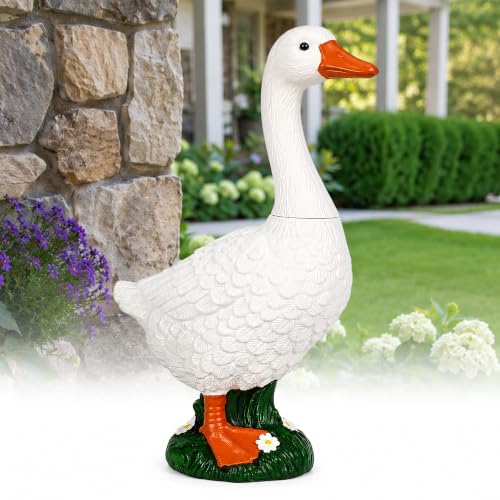
- Animal & nature-inspired: Birds, rabbits, frogs, and woodland creatures. Ideal for cottage gardens and family spaces, and a charming low-key accent near a garden stool or planting border.
- Abstract & modern: Geometric forms, flowing metal ribbons, and minimalist silhouettes. These work best against clean lines and contemporary hardscaping, echoing the restraint of a modern garden table setup.
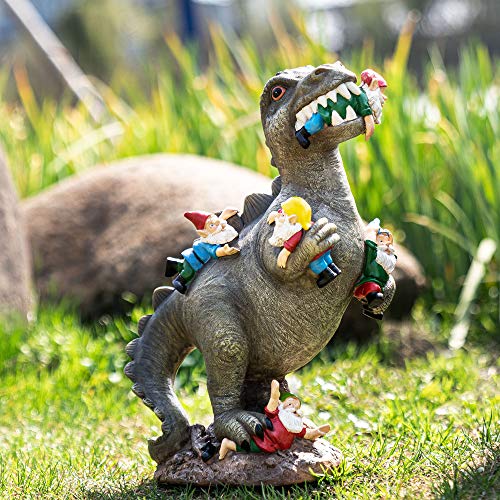
- Whimsical & folk art: Gnomes, fairies, and handcrafted pieces. Best used sparingly as personality accents rather than centerpieces, especially in relaxed or family-oriented yards.
A practical rule: choose one dominant style per zone. Mixing a formal classical urn with a cartoon gnome in the same bed usually reads as clutter. If you want variety, separate styles into distinct areas — for example, a classical piece near the entry and playful accents deeper in the garden.
Material Comparison at a Glance
Use this table to weigh the trade-offs before you commit. Tiers reflect relative market positioning, not absolute figures.
| Material | Tier | Best For | Weather Notes |
|---|---|---|---|
| Resin / Polyresin | Entry to Mid-Range | Detailed figures, seasonal swaps | UV-stabilized finishes resist fading; anchor in wind |
| Cast Stone / Concrete | Mid-Range to Premium | Formal gardens, entryways | Frost-resistant grades available; needs level base |
| Bronze / Cast Metal | Premium to Luxury | Heirloom pieces, classic designs | Develops patina; wax or seal periodically |
| Ceramic / Terracotta | Essential to Mid-Tier | Sheltered porches, seasonal accents | Vulnerable to freeze-thaw; bring indoors in winter |
Where to Place Garden Statues
Placement decides whether a statue feels like a deliberate focal point or an afterthought. Work through these principles in order:
- Find the natural sightline. Stand at your main viewing point — often a door, window, or patio edge — and identify where the eye lands. That spot is your focal zone.
- Match scale to distance. A large statue reads well from across a lawn; a small accent is best appreciated within a few steps, such as beside a garden chair or along a path.
- Give it breathing room. Leave clear space around the piece so plants and hardscaping frame it rather than crowd it. A statue swallowed by shrubs loses its impact.
- Anchor the base. Use a stone paver, gravel pad, or dedicated plinth. A stable base prevents settling, keeps moisture away from the footing, and makes the piece look intentional.
- Consider lighting. A small spotlight or nearby path light extends the statue's presence into the evening and adds depth to the garden after dark.
- Group small pieces deliberately. Odd-numbered groupings of three or five small accents create rhythm. Keep them related in theme or material so the cluster reads as one composition.
If your garden features a conversation area built around a garden furniture conversation set, a sculpture placed just beyond the seating circle can define the edge of the space without blocking sightlines between guests.
Buying Checklist: What to Verify Before You Buy
Before completing a purchase, confirm the following points. This quick checklist catches most of the common mistakes buyers make with outdoor sculpture.
- Material is explicitly rated for outdoor use, with frost or UV notes for your climate.
- Base dimensions and weight are listed, so you can plan a stable footing.
- Finish details are described — painted, patinated, sealed, or natural.
- Care instructions are included, especially sealing frequency and winter storage guidance.
- Return and warranty terms cover shipping damage, which is common with heavy pieces.
- Assembly requirements are clear if the statue ships in sections.
- Scale is verified against your intended spot, including mature plant height.
- Style is consistent with the surrounding furniture and hardscaping.
Caring for Garden Statues Through the Seasons
Routine care is simple but makes a real difference in how long a statue holds its appearance. Clean with a soft brush and mild soap solution, avoiding abrasive pads and harsh chemicals that can strip finishes. Rinse thoroughly and let the piece dry fully before sealing.
Apply a UV-resistant sealer annually to painted resin, metal, and porous stone. In freezing climates, move lightweight and ceramic pieces indoors or into a shed before the first hard frost. For heavy stone pieces that stay out, ensure drainage around the base so water cannot pool and expand. Metal pieces benefit from a light wax application once or twice a year to slow oxidation.
If your broader outdoor setup includes pieces noted in our guide to garden furniture you can leave out all year, adopt one shared maintenance calendar for all outdoor decor. Batching seasonal tasks makes care far easier to keep up with.
Frequently Asked Questions
The best material depends on your climate and desired look. Resin and polyresin offer the widest design range and lightweight handling, while cast stone and concrete provide the most substantial, traditional feel. Bronze and metal are top-tier choices for longevity and heirloom quality. In freeze-prone regions, choose frost-resistant stone or sealed resin.
Apply a UV-resistant sealer annually for painted resin and metal pieces. In freezing climates, bring lightweight statues indoors or cover them before winter. Keep concrete and stone statues on a stable base so water cannot pool around the footing, and clean them with a soft brush and mild soap rather than harsh chemicals.
Place focal statues where the eye naturally lands, such as the end of a path, beside a doorway, or at the center of a planting bed. Smaller accents work well grouped in threes near seating areas. Always check scale: a statue should relate to the height of surrounding plants and furniture rather than overpower them.
Yes, quality resin and polyresin statues are designed for outdoor use and resist moisture, insects, and rot. Mid-range and premium resin pieces typically include UV-stabilized finishes that hold color longer. They are lighter than stone, so secure them against strong wind in exposed locations.
Match the statue to its viewing distance. A large piece reads well from across a lawn, while a small accent is best appreciated up close near a bench or entryway. Measure the intended spot and account for the base and surrounding plants at maturity. When uncertain, a mid-range size in a simple silhouette is the safest choice.
Ready to Choose Your Garden Statue?
With the right material, style, and placement, a single sculpture can define the character of your entire garden. Explore our recommended outdoor pieces to find a match for your landscape and climate.
View Recommended Statues