The Complete Guide to Garden Fountains
Transform your outdoor space with the soothing sight and sound of flowing water. Learn how to choose, place, and care for a garden fountain that fits your landscape and lifestyle.
START THE GUIDEWhy a garden fountain? A fountain is more than a decorative accent — it adds ambient sound that masks street noise, invites birds and pollinators, and creates a natural focal point in any garden or patio. This guide walks you through the types, materials, sizing, placement, and maintenance so you can make a confident, informed decision.
Types of Garden Fountains
Garden fountains come in many forms, and the right choice depends on your space, your style, and how much upkeep you're comfortable with. Below are the most common categories, each with a general market positioning descriptor to help you compare options within its class.
Tiered Fountains
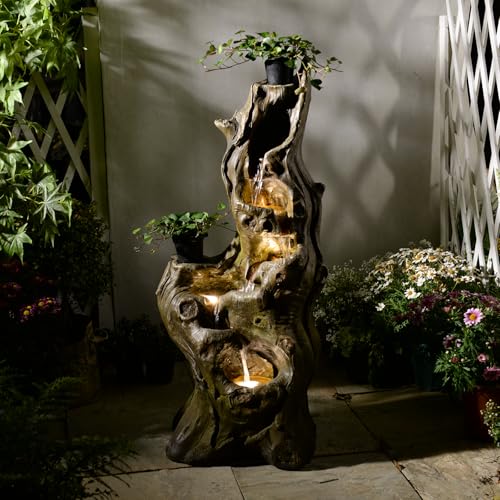
Classic multi-level designs where water cascades from one basin to the next. They create a strong visual presence and a pleasant, layered water sound. Best suited to medium and large gardens or as a front-yard statement piece.
Mid-tier to premiumWall-Mounted Fountains
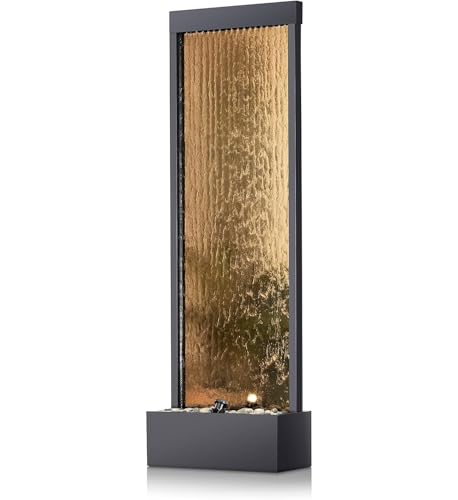
Mount against a wall, fence, or garden wall, making them ideal for compact patios, courtyards, and balconies. They save floor space and often deliver a gentle, meditative trickle. A strong choice for urban gardens and small outdoor areas.
Entry-level to mid-rangeFreestanding & Pedestal Fountains
Self-contained units that stand on their own base. Easy to relocate and available in styles from traditional pedestal designs to sleek modern columns. A versatile, balanced-tier option for most garden settings.
Mid-rangeTabletop & Container Fountains
Small, plug-and-play fountains designed for patios, decks, or even indoor use. They bring the sound of water to tight spaces without any installation. Ideal for renters and starter-tier outdoor setups.
Starter tierDisappearing & Pondless Fountains
Water flows over rocks or a decorative element and recirculates into a hidden underground reservoir. No standing open water means fewer safety concerns and less evaporation. A top-tier choice for families with young children or pets.
High-end tierSolar-Powered Fountains
Run entirely on sunlight with no wiring required. Perfect for remote garden corners or eco-conscious households. Performance depends on direct sun exposure, so placement matters. A practical, feature-rich option for sunny climates.
Mid-tier to high-end tierIf your outdoor area is compact, you may want to pair a small fountain with space-saving furniture choices — our guides to outdoor conversation sets for small spaces and lanai patio layouts can help you plan a cohesive layout.
Fountain Materials: What to Look For
Material choice drives durability, maintenance needs, and visual character. Here's how the most common fountain materials compare in real-world garden conditions.
| Material | Best For | Durability & Care Notes | Tier |
|---|---|---|---|
| Cast Stone & Concrete | Classic gardens, front-yard statements, long-term installations | Heavy-duty and weather-resistant; may develop a natural patina. Requires winter protection in freezing climates. | Premium to luxury |
| Resin & Fiberglass | Lightweight setups, balconies, easy relocation | Lightweight and rust-proof finish; UV-stable resins resist fading. A solid choice for the tier with low maintenance. | Entry-level to mid-range |
| Natural Stone (Granite, Slate, Marble) | Formal gardens, architectural focal points | Extremely durable and unique; heavy and requires a stable base. Professional installation recommended. | High-end to luxury |
| Metal (Copper, Iron, Stainless Steel) | Modern and industrial styles, wall-mounted designs | Copper develops a living patina; powder-coated steel resists rust. Check for high-grade steel and reinforced welds. | Mid-range to premium |
| Ceramic & Glazed Pottery | Tabletop fountains, colorful accents, courtyard charm | Beautiful glazed finishes; needs frost protection. Best in sheltered spots or mild climates. | Starter to mid-tier |
Whatever material you choose, look for a rust-proof finish on metal parts and a weather-resistant coating on painted surfaces. These small details separate a lasting piece from a short-lived one. If you're also refreshing nearby furniture, our note on high-quality resin wicker patio furniture follows similar durability logic.
Sizing and Placement: Getting It Right
A fountain that's too small disappears into the landscape; one that's too large overwhelms it. Use these practical guidelines to find the right balance.
How to Size a Fountain for Your Space
- Courtyard or balcony: choose a wall-mounted or tabletop fountain under roughly knee-to-waist height so it reads as an accent, not an obstacle.
- Small garden: a freestanding fountain placed at a path junction creates a focal point without crowding planting beds.
- Medium to large garden: tiered or pedestal fountains can anchor a seating area or mark the end of a sightline.
- Rule of thumb: the fountain's height should be roughly one-third of the surrounding wall or hedge height for visual harmony.
- Clearance: leave at least 2–3 feet of walkable space around the basin so guests don't brush against wet surfaces.
Placement Tips That Make a Difference
Place your fountain where you'll hear it as much as see it — near a seating area, an open window, or a quiet corner you use for reading. Keep it away from overhanging trees that drop leaves into the water, and position it so prevailing winds carry the sound toward your patio rather than away from it. For a natural pairing, place a garden bench or memorial garden bench within earshot to create a restful corner.
Planning Tip: Check Your Power Source First
Most corded fountains need a nearby outdoor-rated outlet. If your ideal spot lacks power, a solar-powered model or a cordless rechargeable option keeps your placement options open. Always use a GFCI-protected outlet and route cords safely away from walkways.
Fountains pair beautifully with other garden structures. If you're building a shaded retreat, coordinate your fountain placement with a gazebo or pergola so the water feature sits at the edge of the shaded zone rather than in full sun.
Keeping Your Fountain Beautiful
A little routine care keeps water clear, pumps running, and surfaces looking their best. Here's a simple maintenance rhythm that works for most garden fountains.
- Weekly: top off the water level and skim debris from the surface. Evaporation is faster in sunny, windy spots.
- Monthly: clean the pump intake screen and check for mineral buildup. A clogged intake is the most common cause of weak flow.
- Seasonally: deep-clean the basin with a fountain-safe cleaner, inspect seals and hoses, and lubricate moving parts if recommended by the maker.
- Before winter: drain and store portable fountains, or cover and protect permanent ones. Freezing water can crack stone and ceramic.
- Water treatment: use algaecide or enzyme treatments designed for fountains, and never use bleach-based cleaners that can harm birds and plants.
For broader seasonal upkeep across your outdoor space, our weatherproofing guide and winter storage guide cover furniture and decor protection that complements fountain care.
Frequently Asked Questions
Ready to design the rest of your water-friendly garden? Explore our guides to outdoor planters and garden chairs to complete the scene, or browse outdoor lighting ideas to make your fountain glow after sunset.