Lanai Patio: Your Complete Guide to Covered Outdoor Living
A lanai patio blends the comfort of an indoor room with the freshness of the outdoors. Learn how to furnish, lay out, and maintain this distinctive covered space so it becomes the most-used room in your home.
EXPLORE FURNITURE TIPSWhy a lanai patio deserves its own plan: Unlike an open deck or a bare patio, a lanai is a sheltered hybrid — typically roofed, often screened, and sometimes enclosed with sliding panels. That shelter changes everything: furniture must handle humidity without direct rain, layouts must account for foot traffic between indoor and outdoor zones, and materials must resist mold as much as sun. This guide walks you through each decision so you can buy with confidence.
What Exactly Is a Lanai Patio?
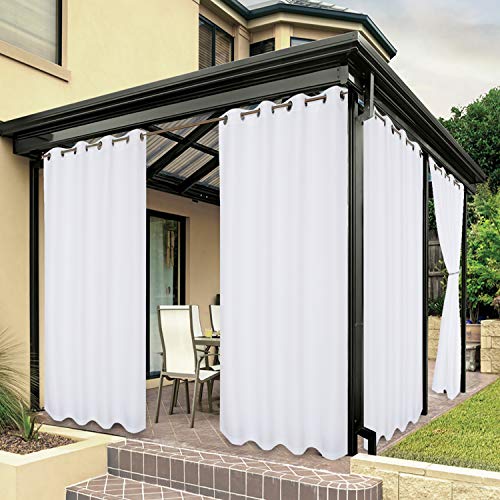
The term lanai comes from Hawaii, where it describes a roofed, open-air veranda or porch attached to a home. On the mainland, a lanai patio usually refers to a covered outdoor living area — frequently screened — that functions as a transitional room between the house and the yard. It may be fully enclosed with screens, partially walled, or open on one or two sides.
This hybrid nature is what makes a lanai so useful, and also what makes furnishing it different from outfitting a standard patio. You get protection from rain and harsh midday sun, but you also deal with trapped humidity, reduced airflow in enclosed versions, and surfaces that stay damp longer. Understanding these conditions is the foundation of every smart purchasing decision that follows.
If you are still deciding between a covered and open layout, our guide to modern outdoor furniture with clean lines can help you visualize how different styles translate across both settings.
Choosing Furniture for a Covered Lanai
Because a lanai is sheltered, you have more material freedom than on an exposed patio — but the trade-off is moisture. Screened lanais trap humid air, so materials that resist mold and mildew matter as much as UV resistance. Here is how the main categories break down.
Seating and Sofas
Deep seating is the natural centerpiece of a lanai. A deep seating configuration with removable, quick-dry cushions works well because you can bring cushions inside during extended damp spells. For smaller lanais, a curved loveseat maximizes seating without the visual bulk of a full sectional. If your lanai doubles as a conversation hub, explore outdoor conversation sets that cluster seating around a central table.
Frame material matters here. Powder-coated aluminum and high-quality resin wicker are the two most reliable choices for humid, covered environments. Our overview of high-quality resin wicker patio furniture explains how to tell durable weave from the thin, brittle variety.
Dining and Bistro Setups
Many lanai owners use the space for everyday meals, not just entertaining. A dining outdoor patio set sized to the room — often a four- or six-seat configuration — turns the lanai into a true breakfast room. For compact lanais, a metal bistro table paired with two chairs preserves floor space while still giving you a place to sit with coffee. If you prefer bar-height seating, browse outdoor bar furniture for counter-height options that suit screened spaces.
Accent and Occasional Pieces
Small tables do a lot of work in a lanai. An outdoor small table between two chairs holds drinks and a book without blocking walkways. Outdoor accent tables can also anchor the corners of a seating cluster. For reading corners, an indoor hammock chair — designed for sheltered use — is an excellent fit for a lanai's protected environment.
Lanai Furniture Tiers at a Glance
To help you orient your shopping, here is how lanai furniture generally segments by build quality and intended lifespan. The tier names are relative — a mid-range lanai set is sturdier than an entry-level one but does not match the engineered construction of a premium piece.
| Tier | Typical Build | Best For | Expected Lifespan |
|---|---|---|---|
| Entry-level | Basic aluminum or steel frames, thinner cushion foam, simpler weaves | Renters, seasonal lanais, first furniture purchase | A few seasons with care |
| Mid-range | Powder-coated aluminum, denser foam, tighter resin weave | Year-round lanai use, families, everyday dining | Several years of regular use |
| Premium | Heavy-gauge aluminum or teak, high-density cushions, reinforced frames | Primary living space, humid climates, long-term ownership | A decade or more with maintenance |
| Luxury | Commercial-grade joinery, marine-grade hardware, custom cushions | Architect-designed lanais, heavy daily use, salt-air proximity | Long-term investment piece |
As a rule, a mid-range set offers the smoothest balance for most homeowners: the mechanisms are noticeably more refined than entry-level models, and the cushions hold their shape through humid summers far better than starter-tier foam. Moving up to premium makes sense when the lanai is your daily living room rather than an occasional retreat.
Layout Strategies for Lanai Patios
A lanai usually has a defined footprint — often rectangular, often with a doorway anchoring one wall. That geometry should drive your layout more than any catalog photo. Here are four arrangements that work across most floor plans.
The Conversation Core
Four chairs or a loveseat-plus-two arrangement around a low coffee table. Ideal for square lanais under 200 square feet.
The Dining Anchor
A rectangular dining table parallel to the longest wall, with a narrow console behind it. Suits long, narrow lanais.
The Split Zone
Dining at one end, lounge seating at the other, divided by a rug or a low planter. Best for lanais over 300 square feet.
The Reading Nook
A single deep chair, side table, and floor lamp tucked into a corner, leaving the center open for traffic.
Whatever the layout, keep a clear path from the door to the outer edge — at least 36 inches wide. In screened lanais, avoid pushing furniture flush against the screens; a gap of a few inches improves airflow and prevents cushions from brushing against damp mesh. For open-sided lanais, consider outdoor rugs to visually define zones and keep tracked-in grit contained.
Materials That Thrive in a Covered, Humid Environment
Lanai conditions are unusual: less direct rain than an open patio, but more trapped moisture than an indoor room. That combination favors materials that resist mildew and do not corrode in still, humid air.
Aluminum Frames
Powder-coated aluminum is the default recommendation for lanais. It will not rust, it is light enough to rearrange, and modern coatings resist fading. Compare it against steel before buying — our metal furniture guide covers the trade-offs in detail.
Resin Wicker and Rattan
High-density polyethylene (HDPE) wicker is the best synthetic option for humid lanais because it does not absorb water. Natural rattan can work in a fully enclosed, climate-controlled lanai but will deteriorate in a screened space. See our wicker and rattan guide for the full comparison.
Teak and Hardwoods
Teak is naturally mildew-resistant and ages gracefully, making it a strong premium choice for a covered lanai where it is shielded from direct rain. Other woods need more frequent sealing. Our wood furniture care article explains the seasonal maintenance rhythm.
Cushions and Fabrics
Look for solution-dyed acrylic fabrics, which resist mildew and UV fading. Quick-dry foam cores matter in a lanai because humidity lingers. If you are refreshing existing furniture, our deep seating replacement cushions guide covers sizing and fabric selection.
Practical tip for humid lanais
Stand cushions on edge once a week during humid months. It sounds trivial, but it roughly doubles the life of foam cores in screened spaces where air movement is limited.
Keeping Your Lanai Furniture in Shape
Because a lanai shields furniture from rain but not from humidity, the maintenance routine is slightly different from an open patio. Focus on airflow and moisture control rather than rain protection.
- Wipe frames monthly with a mild soap solution to remove pollen and dust that trap moisture against coatings.
- Clean screens seasonally — dirty mesh blocks airflow and raises interior humidity, which is the main enemy of lanai furniture.
- Store cushions during off-season in a ventilated bin, not a sealed plastic bag, to prevent mildew.
- Inspect joints and welds annually; humid air can accelerate corrosion at fastener points even on aluminum frames.
- Use a dehumidifier in fully enclosed lanais during the wettest months to protect both furniture and the structure itself.
For a deeper seasonal checklist, our weatherproofing guide covers coatings, covers, and storage in detail. If rust has already appeared on metal accents, the rust removal tips article walks through safe treatment.
What to Measure and Confirm Before You Buy
Lanai purchases go wrong most often because of measurement oversights, not material mistakes. Before ordering anything, confirm these four numbers:
- Clear floor dimensions — measure inside the walls or screens, not the exterior footprint.
- Door swing clearance — the arc of any door opening into the lanai must stay clear of furniture.
- Ceiling height — matters for ceiling fans, hanging chairs, and tall dining sets. A hammock chair needs roughly 80 inches of drop clearance.
- Screen or rail height — determines whether a sofa back will block the view or sit comfortably below the sightline.
Also confirm whether your lanai is rated for outdoor electrical use if you plan to add lighting or a fan. Our measurement guide provides a printable checklist for the full process.
Frequently Asked Questions
Is a lanai the same as a screened porch?
They overlap heavily. A screened porch is a general term for any screened outdoor room; a lanai specifically refers to a roofed, open-air living space attached to a home, often screened. In practice, many homeowners use the terms interchangeably.
Can I use regular patio furniture on a lanai?
Yes, but favor materials that resist humidity rather than just rain. Powder-coated aluminum, HDPE wicker, and teak perform best in covered, humid conditions. Avoid untreated steel and natural rattan in screened lanais.
How do I stop cushions from getting musty in a lanai?
Choose quick-dry foam and solution-dyed acrylic covers, stand cushions on edge weekly during humid months, and run a dehumidifier in enclosed lanais. Ventilation matters more than any single product.
What size furniture fits a small lanai?
A curved loveseat plus two accent chairs, or a bistro table with two chairs, suits lanais under roughly 150 square feet. Keep at least 36 inches of clear walking path from the door.
Should a lanai have a rug?
An outdoor rug helps define zones and keeps grit contained, which is especially useful in a lanai connected to a garden. Choose a flat-weave polypropylene rug that tolerates humidity.
Ready to Furnish Your Lanai?
Browse our curated selection of lanai-appropriate furniture below, chosen for humid, covered environments.
View Recommended Products