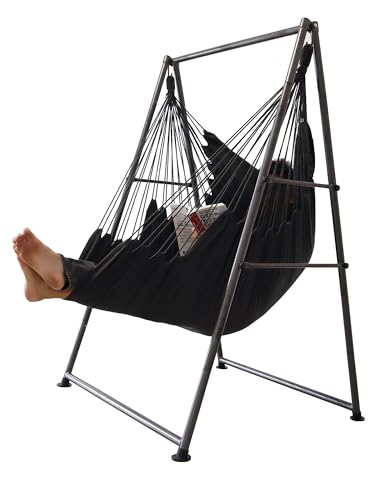
Indoor Hammock Chair: The Ultimate Guide to Cozy Swinging Seating
Transform any room into a relaxation haven. Learn everything about choosing, hanging, and enjoying an indoor hammock chair — from material selection to safety essentials.
What You'll Learn in This Guide
Why an Indoor Hammock Chair Belongs in Your Home
An indoor hammock chair is more than just a piece of furniture — it is an invitation to slow down. Unlike bulky sofas or rigid armchairs, a hanging chair creates a sense of weightlessness that instantly signals relaxation. Whether you are curling up with a book in a sunlit corner or adding a focal point to a minimalist living room, an indoor swing chair delivers both function and personality.
Homeowners increasingly turn to indoor hanging chairs because they maximize vertical space without cluttering the floor plan. In smaller homes, apartments, and sunrooms, a hammock chair offers comfortable seating without demanding significant floor area. The gentle rocking motion has also been linked to reduced stress and improved focus, making these chairs a popular choice for reading nooks, meditation corners, and home offices.
From a design perspective, indoor hammock chairs bridge the gap between casual comfort and curated style. Woven rope models complement wicker patio furniture aesthetics, while fabric sling designs align with modern and Scandinavian interiors. The versatility is unmatched — they suit bedrooms, living rooms, children's play areas, and even screened porches like a screened-in deck.
Types of Indoor Hammock Chairs
Not all hanging chairs are created equal. Understanding the main categories helps you narrow down the right fit for your home and lifestyle.
Rope and Macramé Hammock Chairs
These are the most traditional and visually striking options. Hand-woven from cotton or synthetic rope, they feature intricate knotting that adds texture and bohemian charm to any room. Rope chairs are breathable, lightweight, and naturally conform to your body. They work exceptionally well in bedrooms and reading corners where a relaxed, organic aesthetic is desired.
Fabric Sling Hammock Chairs
Fabric sling chairs use a single piece of durable material — often canvas, polyester, or cotton blend — suspended between two spreader bars. They offer a more structured seating position than rope chairs and are easier to clean. These are ideal for households with pets or children, as the smooth surface resists snagging and is simple to wipe down.
Chair Hammocks with Spreader Bars
Spreader bars hold the chair open, creating a wide, flat seating surface. This design provides more stability and makes it easier to get in and out — a significant advantage for older adults or anyone with mobility concerns. Spreader-bar chairs also distribute weight more evenly, reducing pressure points during longer sitting sessions.
Egg and Cocoon Chairs
These enclosed designs feature a curved frame that wraps around the sitter, creating a cozy, private nook. Often made with rattan, wicker, or weather-resistant resin, egg chairs are statement pieces that double as room decor. They pair beautifully with high-quality wicker patio furniture and can transition between indoor and covered outdoor spaces.
Materials and Construction Quality
The longevity and safety of your indoor hammock chair depend heavily on the materials used. Here is what to evaluate before making a decision.
Fabric and Rope
Cotton is soft and breathable but may stretch over time and is susceptible to moisture damage. Polyester and nylon blends offer superior strength, UV resistance, and colorfastness — important if the chair will sit near bright windows. For a natural look with improved durability, look for cotton-polyester blends or solution-dyed acrylic fabrics that resist fading. If you are considering outdoor use as well, review our guide on outdoor waterproof material for garden furniture for complementary advice.
Frame and Hardware
Metal frames should be powder-coated steel or aluminum to prevent rust. Stainless steel hardware — including carabiners, chains, and mounting plates — is the gold standard for safety and corrosion resistance. Wooden spreader bars, typically made from beech or oak, should be sanded smooth and sealed to prevent splintering.
Weight Capacity and Reinforcement
Always check the stated weight capacity and look for reinforced stitching at stress points. Mid-range and premium models typically feature double-stitched seams, reinforced grommets, and load-tested hardware. Entry-level options may cut corners on these details, so inspect product specifications carefully.
Hanging Methods and Safety Requirements
Proper installation is non-negotiable. An indoor hammock chair is only as safe as its mounting point.
Ceiling Mounting
The most secure method is anchoring directly into a structural ceiling joist using a heavy-duty lag bolt or a dedicated hammock mounting kit. Never mount into drywall alone — it will not support the dynamic load of a swinging chair. If your ceiling is concrete, use masonry anchors rated for the load. For drop ceilings or finished basements, consider a stand-alone hammock stand instead.
Stand-Alone Frames
Hammock chair stands eliminate the need for ceiling modification and allow you to reposition the chair as your space evolves. Look for stands with a wide base and non-slip feet. Steel frames with powder coating are durable and stable. Some stands are designed specifically for indoor use with compact footprints that fit comfortably in bedrooms and living areas.
Beam and Wall Mounting
Exposed beams offer excellent anchor points in rustic and farmhouse-style homes. Use a beam clamp or wrap a strap around the beam and attach a heavy-duty carabiner. Wall-mounted brackets are another option for corners, but ensure the bracket is bolted into wall studs and rated for the chair's loaded weight.
Clearance and Positioning
Allow at least 3 feet of clearance on all sides of the chair to prevent collisions during swinging. The bottom of the chair should hang 12 to 18 inches above the floor for easy entry and exit. Keep the chair away from heat sources, sharp edges, and glass doors.
Comfort Features That Matter
Comfort is highly personal, but certain design features consistently improve the sitting experience.
- Seat width and depth: Wider seats accommodate cross-legged sitting, while deeper seats provide more back support. Measure your preferred sitting posture before choosing.
- Headrest and neck support: Some chairs include integrated headrests or adjustable pillows. If you plan long reading sessions, prioritize models with neck support.
- Cushion compatibility: Many hammock chairs accept seat cushions or waterproof outdoor seat cushions for added padding. Removable, washable covers are a practical bonus.
- Spreader bar padding: Padded spreader bars prevent the hard bar from pressing into your legs during longer sits.
- Swing smoothness: A well-balanced chair with quality hardware swings smoothly without jerking or tilting. Test the chair's balance by checking that it hangs level when empty.
For those who prefer reclined relaxation, a indoor chaise lounge with adjustable back offers a complementary alternative when a hammock chair is not feasible.
Choosing the Right Size for Your Space
Indoor hammock chairs come in a range of sizes, and matching the chair to your room ensures both comfort and visual harmony.
Compact Spaces and Apartments
For bedrooms, balconies, and small apartments, choose chairs with a seat width under 40 inches and a compact stand or ceiling mount. Foldable or lightweight rope chairs are easy to store when not in use. If you have a small outdoor area, our guide to a small outdoor patio set with fire pit offers parallel space-planning strategies.
Medium Rooms
Living rooms and sunrooms can accommodate standard-size hammock chairs with spreader bars up to 50 inches wide. These provide generous seating without overwhelming the room. Pair with a side table or umbrella side table for drinks and books.
Large and Open-Concept Spaces
In open-plan homes, larger egg chairs or double-width hammock chairs can serve as statement pieces. Position them near windows or in dedicated relaxation zones to anchor the layout.
Quality Tier Comparison
To help you navigate the market, here is a breakdown of what different quality tiers typically offer. This framework focuses on construction, materials, and features — not numeric figures.
| Tier | Best For | Typical Characteristics |
|---|---|---|
| Entry-Level | Occasional use, budget-conscious shoppers, first-time buyers | Basic cotton or polyester rope, single-stitched seams, standard steel hardware, limited weight capacity. Suitable for light use and smaller spaces. |
| Mid-Range | Daily use, families, reading nooks | Reinforced stitching, powder-coated frames, stainless steel carabiners, improved weight capacity, optional headrest or cushion compatibility. A solid choice for the tier. |
| Premium | Frequent use, design-focused interiors, larger users | High-grade materials such as solution-dyed acrylic or marine-grade rope, double-stitched seams, heavy-duty mounting hardware, ergonomic design, and superior weight ratings. |
| Luxury / Professional-Grade | Statement pieces, commercial spaces, long-term investment | Handcrafted construction, designer fabrics, commercial-rated hardware, exceptional weight capacity, and refined finishes. Built for decades of use. |
When comparing options, consider how often the chair will be used and by whom. A mid-range model often delivers the best balance of durability and features for most households, while premium and luxury tiers cater to those seeking heirloom-quality craftsmanship or design-forward aesthetics.
Care and Maintenance Tips
With proper care, an indoor hammock chair can last for years. Follow these maintenance practices to preserve both safety and appearance.
- Inspect hardware monthly: Check carabiners, chains, and mounting bolts for wear, rust, or loosening. Replace any compromised components immediately.
- Clean fabric according to manufacturer instructions: Most fabric slings can be spot-cleaned with mild soap and water. Rope chairs benefit from occasional gentle brushing to remove dust from knots.
- Rotate the chair: If hung from a swivel, rotate the chair periodically to ensure even wear on the suspension point.
- Address rust promptly: If you notice any corrosion on metal hardware, consult our rust removal guide for safe treatment options.
- Store seasonally if needed: If the chair is near windows or in a seasonal room, consider removing it during extended periods of non-use to reduce UV exposure and dust accumulation.
- Check weight limits: Never exceed the stated capacity, and re-check after any modifications or relocations.
Frequently Asked Questions
Can I hang an indoor hammock chair from a standard ceiling?
Yes, provided you anchor into a structural joist or use a ceiling-mount kit rated for the load. Drywall alone is not sufficient. If you are unsure about your ceiling structure, consult a professional or use a stand-alone frame.
How much space do I need around a hammock chair?
Allow at least 3 feet of clearance on all sides to swing safely without hitting walls or furniture. The chair should hang 12 to 18 inches above the floor for easy access.
Are indoor hammock chairs safe for children?
Yes, with supervision and proper installation. Choose chairs with appropriate weight capacities and secure mounting. Avoid chairs with small parts or loose ropes that could pose a hazard to young children.
What is the difference between a hammock chair and a hanging egg chair?
A hammock chair is typically an open sling or rope seat suspended from a single point, while an egg chair features an enclosed frame that wraps around the sitter. Egg chairs offer more privacy and structure; hammock chairs provide a more fluid, cocoon-like feel.
Can I use an indoor hammock chair outdoors?
Some models are suitable for covered outdoor use, but always check the manufacturer's specifications. Indoor fabrics and hardware may not be UV-resistant or weatherproof. For outdoor relaxation, consider a stand-alone hammock stand with a weather-rated chair.
How do I know if my hammock chair is hung at the right height?
Sit in the chair — your feet should rest comfortably on the floor or a footrest, and the seat should not sag excessively. The bottom edge of the chair should be roughly 12 to 18 inches above the ground when empty.
Ready to Find Your Perfect Indoor Hammock Chair?
Explore our curated selection of top-rated indoor hammock chairs and hanging accessories to complete your relaxation space.
View Recommended Products