Stand Alone Hammock Stand: The Complete Buying Guide
Everything you need to know about freestanding hammock stands — frame types, materials, stability, portability, and how to set up the perfect relaxation spot without trees.
START EXPLORINGWhy a stand alone hammock stand? Not every backyard has the perfect pair of trees. A freestanding hammock stand frees you from anchors, roots, and shade limitations, so you can place your hammock exactly where you want it — on a deck, patio, porch, or open lawn. This guide walks you through the key decisions so you can choose a model that fits your space, climate, and lifestyle with confidence.
What Is a Stand Alone Hammock Stand?
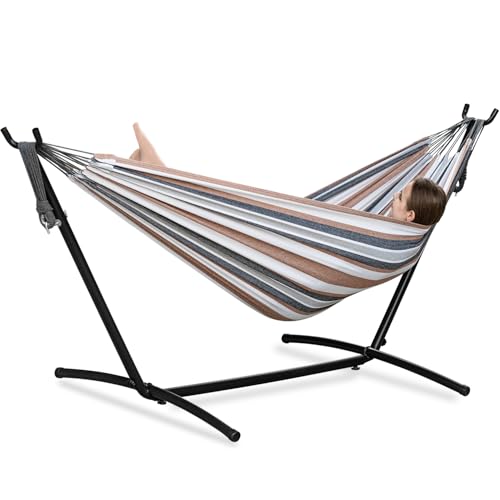
A stand alone hammock stand is a self-supporting frame designed to hold a hammock without relying on trees, posts, or wall anchors. The frame consists of a base, vertical supports, and hammock attachment points, engineered to distribute weight evenly across the ground. Because the stand carries the load itself, it opens up hammock use on concrete patios, wooden decks, balconies, and lawns where trees are absent or unsuitable.
Freestanding stands come in several configurations, from simple two-leg frames to more elaborate arch and cantilever designs. The right choice depends on your available footprint, whether you plan to move the stand, and how many people will use it. For those who prefer a compact indoor option, an indoor hammock chair with its own support frame offers a similar tree-free experience inside the home.
Types of Stand Alone Hammock Stands
Hammock stands are categorized by frame geometry, and each design balances stability, footprint, and aesthetics differently.
Two-Leg (T-Stand) Frame
The most common and affordable design. Two vertical supports connect to a straight or curved base bar, keeping the footprint compact. Entry-level and mid-range models dominate this category, and assembly is typically quick.
Arc / Curved Base Stand
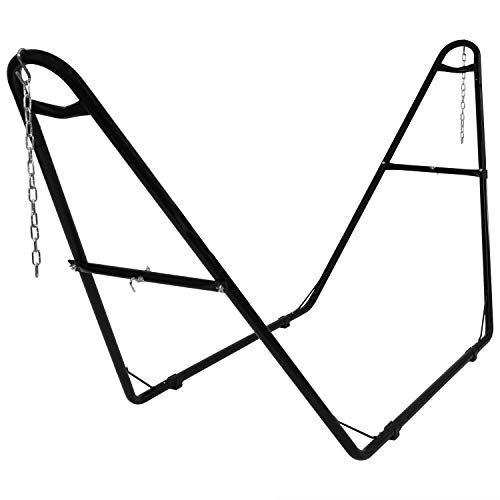
A sweeping curved base spreads weight across a wider area, improving stability on hard surfaces. These mid-range to premium frames often have a more sculptural look and may support higher weight capacities.
Cantilever / Offset Stand
An overhanging arm suspends the hammock while the base sits to one side, freeing up the space beneath. Premium and high-end tier models favor this design for decks where floor space is limited, though the base requires solid anchoring.
Portable / Folding Stand
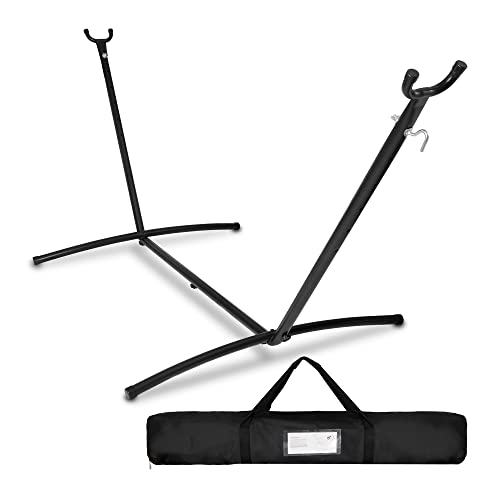
Designed for travel and storage, these lightweight stands collapse into a compact bundle. Aluminum construction is common, and push-button or folding mechanisms make setup fast. Ideal for camping, tailgating, or renters who need a stow-away solution.
Chair-Style Stand
A compact frame that supports a single hammock chair rather than a full-length hammock. These space-saving stands suit small balconies and porches, delivering the same tree-free comfort in a smaller footprint.
Wood Frame Stand
Solid wood construction, often cedar or teak, provides a traditional look and heavy-duty stability. These premium-tier stands blend with rustic and farmhouse decor, though they require more maintenance than metal frames.
Materials: Steel, Aluminum, and Wood
The frame material affects weight, durability, weather resistance, and how often you need to maintain the stand. Here is how the three main options compare.
| Material | Best For | Stability | Portability | Weather Resistance |
|---|---|---|---|---|
| Powder-Coated Steel | Permanent patio and backyard setups | Heavy-duty, excellent | Low — heavier frame | Strong with a rust-proof finish |
| Aluminum | Travel, camping, renters | Good for its weight | High — lightweight and foldable | Excellent — naturally rust-resistant |
| Solid Wood (Cedar/Teak) | Rustic and traditional outdoor decor | Heavy-duty, stable | Low — bulky and heavy | Good with proper sealing |
Steel frames dominate the mid-range segment because they combine solid build quality with a durable powder coating. Aluminum stands are the go-to for portability and coastal climates where salt air accelerates corrosion. Wood stands are a long-term investment that pairs well with natural materials elsewhere in the yard — if you already own teak furniture, a matching wood stand creates a cohesive look. Whichever material you choose, a rust-proof finish and periodic cleaning will extend the frame's life, and our guide to rust removal covers what to do if corrosion appears.
Key Features to Evaluate Before Buying
Beyond the frame type, several details separate a stable, long-lasting stand from one that wobbles or wears out quickly. Evaluate these features together rather than in isolation.
Weight Capacity and Load Distribution
Entry-level stands typically support a single adult, while mid-range and premium models often accommodate two people or higher loads. Look for a stated weight rating that leaves a comfortable margin above the weight of your hammock plus occupants. A wider base and reinforced joints improve load distribution, reducing sway and stress on the frame.
Base Footprint and Surface Compatibility
Two-leg stands take up less floor area, but curved or cantilever bases spread weight over a larger footprint for better stability on hard surfaces. On wooden decks, check that feet are wide enough to avoid denting the boards; on concrete, rubberized feet prevent slipping and scratching. If your hammock will sit on a deck, our guide to screened-in deck design is a useful companion for planning the surrounding space.
Assembly and Portability
Permanent stands assemble with bolts and typically stay put for the season. Portable models use folding or push-button mechanisms that set up in minutes and collapse for storage. If you plan to move the stand between yard and patio, prioritize a lightweight aluminum frame with a carry bag.
Finish and Hardware Quality
A powder-coated finish resists chipping, and stainless hardware resists rust far better than plain steel bolts. Inspect the joints and welds on any mid-range or premium model; clean welds are a sign of solid build quality. Protective covers for the off-season are a worthwhile addition, similar to the waterproof material for garden furniture used to shield other pieces in your yard.
Sizing, Placement, and Setup Tips
Correct placement is as important as the stand itself. Hammocks need room to hang with a gentle sag — usually about 30 degrees — and the stand should sit on level ground to prevent rocking.
- Measure your space first. A standard hammock stand runs roughly 12 to 15 feet long, so confirm the footprint fits your patio or lawn before ordering. Compact chair stands need far less length.
- Choose a level surface. Concrete, decking, and firm lawn all work, but slopes and soft ground cause instability. On grass, a ground mat under the feet protects the lawn.
- Leave clearance for swing. Keep the ends clear so the hammock can rock without hitting walls, railings, or planters.
- Mind the sun and wind. Place the stand where it gets shade during peak hours, and consider a sun shade for patio coverage nearby. In windy areas, choose a heavier steel frame and avoid fully exposed positions.
- Check the hammock fit. The stand's attachment points should match your hammock length. If you plan to add a canopy hammock, verify the stand can carry the extra fabric and hardware.
Many homeowners pair a hammock stand with other relaxation zones. A chaise lounge chair nearby creates a dedicated lounging corner, and a round patio coffee table with umbrella hole adds a spot for drinks and books within reach.
Hammock Stand Tiers Compared
Hammock stands fall into three broad tiers. Use this table to match a tier to your needs — the right tier depends on how often you use the hammock and whether it stays outdoors year-round.
| Tier | Frame Typical | Best For | Trade-offs |
|---|---|---|---|
| Essential Tier | Steel two-leg, basic coating | Occasional use, first hammock | Simpler hardware, less refined finish |
| Balanced Tier | Steel or aluminum arc base | Regular backyard lounging, families | Heavier than portable models, moderate footprint |
| Top-Tier | Cantilever or solid wood, reinforced joints | Daily use, design-focused patios | Larger footprint, more assembly effort |
Care and Maintenance
A hammock stand is a long-term investment, and a few simple habits keep it stable and good-looking for years.
- Clean the frame seasonally. Wipe down metal frames with mild soap and water, then dry thoroughly to prevent surface rust.
- Inspect joints and bolts. Tighten hardware before the season starts and check for wear at the attachment points.
- Store or cover in winter. Prolonged snow and rain wear any finish. A cover or indoor storage protects the frame and hammock fabric.
- Remove the hammock in storms. Wind catches the fabric and stresses the frame; take the hammock down during high winds.
- Treat wood stands. Reapply sealant periodically to keep a wood frame from drying and cracking.
If your stand sits near other outdoor furniture, maintaining the whole area together saves time. Our weatherproofing guide covers protective routines for a range of materials, and pairing the hammock with a swing bench or outdoor rocking chairs with cushions builds a cohesive relaxation zone.
Frequently Asked Questions
What is a stand alone hammock stand?
A stand alone hammock stand is a freestanding metal or wood frame that supports a hammock without needing trees or wall anchors. It allows you to set up a hammock anywhere on a flat surface, making it ideal for patios, decks, and yards without suitable trees.
What materials are used for hammock stands?
Most hammock stands use powder-coated steel, aluminum, or wood. Steel offers heavy-duty stability, aluminum provides a lightweight and rust-resistant option for portability, and wood delivers a traditional look with solid build quality.
How much weight can a hammock stand hold?
Weight capacity varies by tier. Entry-level stands typically support one adult, while mid-range and premium models often handle higher capacities and may accommodate two people. Always check the manufacturer's stated weight rating before purchase.
Can I leave my hammock stand outside all year?
Most stands are weather-resistant, but prolonged exposure to rain and sun can wear the finish. A rust-proof finish and protective cover extend the life of the frame. During harsh winters, storing the stand indoors or under a cover is recommended.
Are hammock stands easy to assemble?
Yes, most stands use a tool-free or simple bolt-together design that assembles in minutes. Portable models often feature a folding or push-button mechanism for quick setup and storage.
Ready to Choose Your Hammock Stand?
Browse our curated selection of stand alone hammock stands and find the frame that fits your patio, deck, or backyard.
EXPLORE OPTIONS