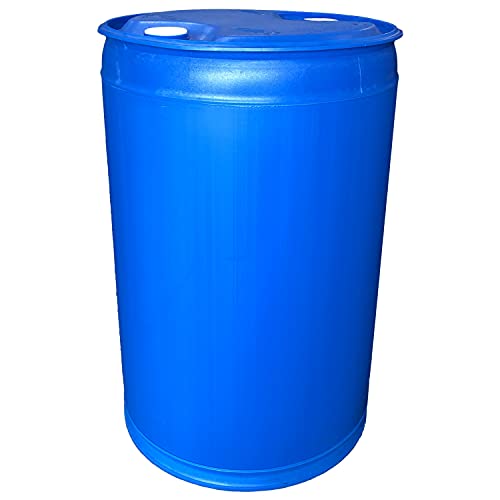
Rain Barrels: The Complete Guide to Smart Water Collection
Turn every rainfall into a resource. Learn how to select, install, and maintain rain barrels that keep your garden thriving and your outdoor space sustainable.
Explore the Buying GuideWhy Rain Barrels Matter: A well-chosen rain barrel does more than capture water — it reduces runoff, protects your garden during dry spells, and lowers dependence on municipal supply. This guide walks you through the key decisions: barrel type, capacity, placement, installation, and long-term care, so you can choose with confidence.
What a Rain Barrel Does for Your Outdoor Space
A rain barrel is a collection vessel connected to a downspout or roof drainage point. When rain falls, water flows from the roof through gutters and into the barrel instead of pooling around your foundation or running into storm drains. The captured water can then be used for garden beds, lawns, potted plants, and outdoor cleaning tasks.
Beyond water conservation, rain barrels help manage moisture around the home. By diverting roof runoff into a controlled storage container, they reduce erosion near foundations and lessen the burden on drainage systems during heavy storms. For gardeners, rainwater is often preferred over treated tap water because it is naturally soft and free of the minerals and chemicals added to municipal supplies.
If you are building a broader water-wise garden, rain barrels pair naturally with other sustainable features like rain chains that guide water visually and functionally, and raised garden beds that make efficient use of every collected gallon. Homeowners planning a full backyard refresh may also explore garden ponds and privacy hedges to create a cohesive, eco-conscious landscape.
Types of Rain Barrels: Finding the Right Tier for Your Home
Rain barrels vary widely in construction, capacity, and features. The descriptors below use a consistent tier system so you can compare options by market position and build quality without relying on any single retailer's lineup.
Basic Barrel with Spigot
A straightforward single-wall barrel with a top inlet, a bottom spigot, and often a simple overflow port. Best for first-time collectors who want a functional entry point into rainwater harvesting. Look for UV-stabilized plastic and a screened inlet to keep debris and insects out.
Linking Barrel System
Designed to connect multiple barrels in series, these systems expand capacity without occupying additional downspout locations. Ideal for gardeners watering several beds or a larger lawn. Key features include compatible link kits, sturdy bases, and consistent inlet heights across units.
Decorative / Planter-Top Barrel
Combines collection with curb appeal. These barrels often feature a planter basin on top, textured finishes, or a shape that blends with patio and porch decor. A solid choice for visible areas where aesthetics matter as much as function.
Collapsible or Space-Saving Barrel
Flexible or foldable designs store flat when not in use — useful for seasonal climates or small patios. Many premium collapsible models include reinforced seams, built-in filters, and spigot assemblies that resist wear. Well-suited to apartment balconies and compact yards.
Integrated Diverter System
Pairs a rain barrel with a downspout diverter that automatically routes water into the barrel and sends overflow safely down the original downspout when the barrel is full. These systems offer cleaner installation and better overflow management for homeowners who want a polished, permanent setup.
Large-Capacity / Commercial-Grade Barrel
Heavy-duty barrels with thick walls, reinforced lids, and high-flow outlets, often in larger capacities for extensive landscaping or community gardens. Built for long-term service and frequent use, with fittings that accommodate standard hoses and irrigation lines.
How to Choose the Right Capacity
Capacity is the single most important decision after barrel type. The general rule of thumb: roughly one gallon of collection for every square foot of roof area during a one-inch rainfall. A typical residential downspout serving a modest roof section can fill a mid-tier barrel quickly during a steady storm, which is why overflow management matters as much as storage volume.
| Barrel Tier | Typical Capacity Range | Best For | Key Consideration |
|---|---|---|---|
| Starter Tier | Compact (under 50 gallons) | Small gardens, patios, balcony watering | Easy to move and position; plan for frequent refills in heavy rain |
| Essential / Balanced Tier | Standard (50–65 gallons) | Most residential gardens and lawn edges | The most common size; works well with downspout diverters and link kits |
| Premium Tier | Large (65–100 gallons) | Multi-bed gardens, larger lawns, extended dry spells | Requires a level, load-bearing base; check spigot height for hose reach |
| Top-Tier / Commercial-Grade | Extra-large (100+ gallons) | Extensive landscaping, community gardens, multi-zone irrigation | May need multiple barrels or linking; plan overflow routing carefully |
For most homeowners, a mid-tier barrel in the 50 to 65 gallon range offers a balanced starting point: enough capacity to make a difference during dry stretches, yet manageable to install and maintain. If your garden includes thirsty features like raised planter gardens or a potting bench area, consider linking two barrels to extend watering intervals.
Features That Separate a Good Barrel from a Great One
Not all rain barrels are built the same. The following features are worth checking before you commit, regardless of tier:
- Sealed lid with fine mesh screen: Prevents mosquitoes from breeding and keeps leaves and debris out of the stored water.
- Downspout diverter compatibility: Allows automatic filling and overflow routing, so the barrel never backs up into gutters during heavy rain.
- Bottom spigot with standard hose thread: Makes connecting a garden hose or drip irrigation line straightforward.
- Overflow port with extension: Directs excess water away from the foundation and into a safe drainage area.
- UV-stabilized construction: Resists fading and cracking from sun exposure, extending service life in open patios and gardens.
- Flat, reinforced base: A full barrel is heavy — a solid base prevents tipping and protects the barrel from stress fractures.
- Link kit ports: Allow multiple barrels to be connected in series for expanded capacity without adding downspout connections.
- Winterization design: Some premium barrels include drain plugs and stackable shapes for easy seasonal storage.
These features matter most when the barrel sits in a visible area or serves a dedicated irrigation zone. If you are outfitting a patio that also includes seating and shade, browse our outdoor planters and porch decor guides to coordinate the look with your water collection setup.
Installation: A Step-by-Step Overview
Installing a rain barrel is a manageable weekend project for most homeowners. The exact steps vary by barrel type, but the general sequence below applies to most setups:
- Choose the location. Pick a downspout that receives steady runoff and sits close to the areas you water. Ensure the ground is level and firm enough to support a full barrel.
- Prepare the base. Set the barrel on a solid, level platform — a concrete pad, patio stones, or a purpose-built stand. A stable base is essential for safety and for keeping the spigot accessible.
- Modify the downspout. Shorten the downspout so it feeds directly into the barrel inlet, or install a downspout diverter for a cleaner, more automated connection.
- Connect the inlet. Position the barrel so the inlet receives water freely. Confirm the screen or filter is seated properly to keep debris out.
- Set up overflow. Attach an overflow hose or route the overflow port so excess water drains away from the foundation, ideally into a garden bed or drainage area.
- Test the spigot and seals. Fill the barrel partially and check for leaks at the spigot, inlet, and overflow connections. Tighten fittings as needed.
- Connect irrigation. Attach a garden hose or drip line to the spigot. Consider a potting rack or watering station nearby to streamline garden tasks.
If your patio or garden includes a seating area, keep the barrel’s overflow path away from furniture and walkways. Homeowners with pool areas often appreciate pairing water collection with pool accessories that reduce splash and evaporation, creating a more water-conscious backyard overall.
Maintenance: Keeping Your Rain Barrel in Top Shape
A rain barrel is a low-maintenance addition, but a few routine checks keep it functioning reliably season after season:
🔍 Seasonal Inspection
At the start of each rainy season, inspect the lid, screen, and spigot for cracks or wear. Clear any leaf buildup from the inlet and overflow ports.
🧹 Debris Management
Trim overhanging branches and check the screen after heavy storms. A clogged screen reduces collection efficiency and can cause water to back up into gutters.
❄️ Winterization
In freezing climates, drain the barrel completely, disconnect hoses, and store it indoors or upside down. Expanding ice can crack even heavy-duty barrels.
🚿 Interior Flushing
Once a year, flush the barrel with clean water to remove sediment. Avoid harsh chemicals — a mild rinse is usually sufficient for outdoor use.
🔧 Spigot Care
Check the spigot washer and hose connection for drips. Replace worn washers promptly to prevent water loss and keep the connection secure.
🐛 Mosquito Prevention
Keep the lid sealed and the screen intact. If your barrel has an open inlet, add a fine mesh cover. Standing water without a barrier is an invitation for breeding.
Routine care extends the working life of any barrel and keeps your garden irrigation reliable. If you maintain other outdoor structures, our weatherproofing guide offers complementary advice on protecting wood and metal features from the elements.
Placement and Design Integration
A rain barrel does not have to be an eyesore. With thoughtful placement, it can blend into the garden or patio design. Position the barrel behind a shrub, beside a potting bench with storage, or near a raised garden bed where the spigot is easy to reach. Decorative tiers with textured finishes or planter tops can sit proudly in visible corners.
For patio owners, consider how the barrel relates to seating and shade. Keep the overflow directed away from porch furniture and walkways. If your outdoor space includes a pool or lounge area, the pool lounge chairs and poolside tables guides can help you coordinate a cohesive look while keeping water management practical.
Safety and Best Practices
Rain barrel water is non-potable and should never be used for drinking, cooking, or personal hygiene. Label the barrel clearly and keep it out of reach of children and pets. A full barrel is heavy — ensure the base is stable and the lid is secure to prevent tipping. Direct overflow away from foundations, and never connect a rain barrel to a potable water line without proper backflow prevention.
For households with pets or young children, our pet-friendly outdoor and kid-friendly patio guides offer additional safety considerations for backyard spaces. And if you are planning a larger garden upgrade, explore hanging baskets and vertical gardens to make the most of the water you collect.
Frequently Asked Questions
How do I choose the right rain barrel size for my home?
A general guideline is to collect roughly one gallon of water for every square foot of roof area during a one-inch rainfall. For a typical residential downspout, a mid-tier rain barrel in the 50 to 65 gallon range suits most garden irrigation needs, while larger high-end tier barrels work well for extensive landscaping or multi-zone watering systems.
Where should I place a rain barrel?
Place the rain barrel near a downspout that receives significant roof runoff, ideally on a flat, level surface that can support the weight when full. Keep it close to the garden beds or patio areas it will irrigate to reduce hose runs. Ensure the location is accessible for maintenance and that overflow can be directed safely away from the foundation.
How do I prevent mosquitoes from breeding in my rain barrel?
Use a sealed lid or fine mesh screen over every opening, including the inlet and overflow outlets. Many quality rain barrels include mosquito screens as standard. Adding a downspout diverter that keeps the barrel sealed between rain events further reduces standing water exposure and keeps insects out.
How much maintenance do rain barrels require?
Routine maintenance is modest: inspect the screen and lid for debris, clear leaf buildup from the inlet, check the spigot for leaks, and flush the barrel at the start of each season. In colder climates, drain and store or winterize the barrel before freezing temperatures arrive to prevent cracking.
Can rain barrel water be used for drinking or cooking?
No. Rain barrel water is intended for outdoor, non-potable uses such as garden irrigation, lawn watering, and washing outdoor surfaces. It is not treated for drinking, cooking, or personal hygiene. Always label barrels clearly and keep them out of reach of children and pets.
Ready to Start Collecting Rainwater?
Explore our curated selection of rain barrels and water-saving accessories to find the right fit for your garden and outdoor space.
Explore Rain Barrels