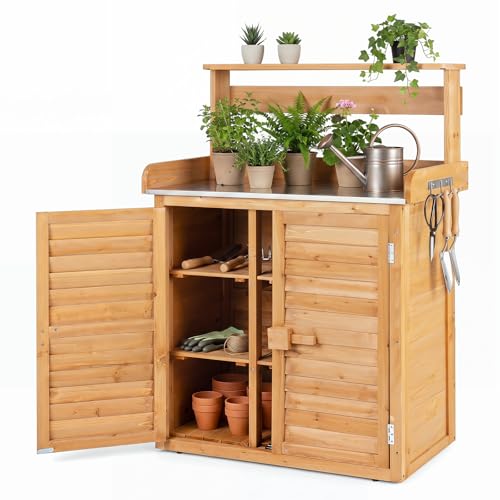
Potting Bench With Storage: The Complete Guide
Turn messy repotting sessions into a tidy, efficient ritual. Discover how a dedicated potting bench with storage transforms your garden workflow and keeps every tool within reach.
Why a potting bench with storage matters: A dedicated workspace keeps soil, pots, and tools organized instead of scattered across your patio. Whether you are a weekend gardener or a serious plant collector, the right bench reduces back strain, protects surfaces, and makes every planting project faster. This guide walks you through the anatomy of a good bench, the materials that last, and the tier options available so you can choose with confidence.
What Is a Potting Bench With Storage?
A potting bench with storage is a purpose-built outdoor or indoor workstation that pairs a flat, raised work surface with integrated compartments. Unlike a simple table, these benches are designed around the rhythm of gardening: you lift a bag of soil, set down a plant, reach for a trowel, and wipe your hands — all without leaving the station. Storage can take the form of open shelves, drawers, cabinets, hooks, and side bins, and the best designs place each element exactly where your hands naturally go.
These workstations come in several configurations. Some are compact enough for a balcony, while others are full-sized units that resemble a small outdoor cabinet. Many models include a lower shelf for soil bags and larger containers, an upper shelf for pots and gloves, and a back panel with hooks for hand tools. The combination of workspace plus organization is what separates a true potting bench from an ordinary utility table.
If you are still weighing whether a dedicated station is right for your space, exploring a broader range of potting bench styles can help you understand the full spectrum of options before committing to one with built-in storage.
Key Benefits of a Storage-Equipped Potting Bench
Gardening is a messy business, and a well-designed bench with storage solves several recurring frustrations at once. Here is what you gain:
Declutter Your Space
Soil bags, pots, gloves, and trowels each get a dedicated home. No more searching through a pile of supplies to find the right scoop.
Protect Your Back
Working at a raised surface prevents the stooping and kneeling that leads to sore muscles after an afternoon of repotting.
Protect Surfaces
A dedicated work area keeps soil off your patio furniture and out of your kitchen. It is the boundary between garden mess and living space.
Speed Up Workflow
When tools and supplies are within arm's reach, you move faster and lose fewer items. Repotting sessions become noticeably shorter.
Extend Tool Life
Covered storage keeps hand tools dry and protected from rust. Many benches include a cabinet or drawer that shields tools from the elements.
Create a Garden Hub
The bench becomes a natural gathering point for planning, seed starting, and cleanup. It is a functional anchor for your garden zone.
Anatomy of a Good Potting Bench
Not every bench with shelves is well designed. Understanding the components helps you judge quality when comparing models. A well-thought-out bench includes the following:
The Work Surface
This is the heart of the bench. Look for a surface that is deep enough to hold a nursery pot and a bag of soil side by side, typically around 18 to 24 inches in depth. A backsplash or raised edge prevents soil from spilling over the back, and a removable tray or bin makes cleanup simple. Some premium models include a built-in sink or a grate that lets loose soil fall through to a collection tray below.
Storage Tiers
Storage is what elevates a bench from simple to indispensable. The most useful configurations include:
- Lower open shelf: Ideal for bulk soil bags, watering cans, and large pots. It keeps heavy items low and stable.
- Drawers: Best for smaller items like seed packets, twine, labels, and hand tools. Drawers protect contents from rain and dust.
- Cabinet with doors: Offers full weather protection for tools and supplies. A cabinet bench is essentially a small outdoor storage shed with a workspace on top.
- Side bins and cubbies: Great for quick access to gloves, pruners, and a trowel.
- Back panel hooks: Perfect for hanging snips, trowels, and small hand tools in plain sight.
Height and Ergonomics
A comfortable work surface sits somewhere between 30 and 36 inches from the ground for most adults. Benches that are too low force you to stoop; benches that are too high make it difficult to reach pots on the surface. If you plan to work standing, a taller bench reduces fatigue. If you prefer to work seated, a lower bench paired with a stool may be more comfortable.
Mobility and Footing
Most benches are stationary, but some include locking casters for flexibility. On uneven surfaces, adjustable leveling feet prevent wobble. Consider whether you need to move the bench seasonally or keep it in one permanent spot — a heavier unit is more stable but harder to relocate.
Materials: Choosing for Durability and Climate
Material choice determines how your bench ages and how much maintenance it requires. The three main categories are wood, metal, and resin. Each has a distinct personality and set of trade-offs.
Wood Benches
Wood is the classic potting bench material for good reason: it is warm, sturdy, and easy to repair. Cedar and teak are the premium choices because their natural oils resist rot and insects. If you are interested in the long-term properties of wood as an outdoor material, understanding poly lumber and its relationship to traditional timber can help you compare alternatives. Pressure-treated pine is a dependable mid-range option that holds up well when sealed annually. A wooden bench with storage typically offers the most generous shelf and drawer configurations because wood is easy to shape and join.
Wood benches require periodic maintenance. An annual clean and re-seal keeps the surface protected, and a cover during winter extends the lifespan significantly. The reward is a bench that develops character over time and can be sanded or refinished if it shows wear.
Metal Benches
Powder-coated aluminum and galvanized steel are excellent for damp climates. They do not rot, they resist pests, and they are lighter than wood for the same strength. The key is the finish: a well-applied powder coat resists rust and fading. Galvanized steel is a durable choice for a workbench that sees heavy use. Metal benches tend to have cleaner lines and work well in modern garden layouts. They are also easier to wipe down after a messy session.
Metal is susceptible to scratching, and once the coating is compromised, rust can take hold. Touch-up paint is advisable for any chips. For a coastal or rainy environment, a powder-coated or galvanized finish is a smart choice.
Resin and Recycled Plastic
Resin benches are the low-maintenance option. They never need sealing or painting, they resist moisture and insects, and they wipe clean easily. The trade-off is a more utilitarian appearance and less rigidity than wood or metal. Resin is a practical choice for a utility-focused garden or a humid region where wood would require constant attention. Storage configurations on resin benches tend to be simpler, often limited to open shelves rather than drawers.
Comparing Bench Tiers
Potting benches fall into recognizable market positions based on construction, storage complexity, and finish. The table below summarizes what each tier typically delivers so you can match the bench to your gardening habits.
| Tier | Best For | Storage Features | Construction Notes |
|---|---|---|---|
| Entry-Level | Occasional gardeners, balconies, small patios | One lower shelf, basic back hooks | Lighter wood or resin; simple assembly; adequate for light use |
| Mid-Range | Regular home gardeners with a dedicated garden zone | Lower shelf, one drawer, side cubbies, back panel hooks | Cedar or powder-coated metal; sturdier joinery; better hardware |
| Premium | Serious gardeners, seed starters, small-scale growers | Cabinet with doors, multiple drawers, removable soil tray, hooks | Teak or heavy-gauge metal; weather-resistant finish; smooth-glide drawers |
| Luxury | Dedicated potting sheds, market gardeners, enthusiasts | Full cabinetry, integrated sink, deep drawers, tool racks, adjustable shelving | Furniture-grade joinery; premium hardware; designed as a permanent fixture |
As you move up the tiers, the differences are most noticeable in drawer hardware, the quality of the finish, and the intelligence of the storage layout. An entry-level bench may have a single fixed shelf, while a premium model might include a drawer that glides smoothly even when loaded with tools. The mid-range is often the sweet spot for homeowners who garden regularly but do not need commercial-grade capacity.
Buying Checklist: What to Verify Before You Choose
Before you settle on a model, run through this checklist. It covers the details that are easy to overlook in a product listing but matter greatly in daily use.
- Measure your space: Confirm the footprint fits your patio, porch, or shed, and leave room to open drawers and cabinet doors.
- Check the work surface depth: Aim for at least 18 inches of depth so a standard nursery pot and a soil scoop fit comfortably.
- Verify weight capacity: Look for a stated load limit for the work surface and shelves; heavy soil bags should go on the lowest shelf.
- Assess the storage layout: Decide whether you need drawers (protected storage) or open shelves (quick access) based on your climate and habits.
- Confirm the finish: For wood, check whether it is pre-sealed. For metal, confirm powder-coated or galvanized construction.
- Look for a backsplash or raised edge: This small detail prevents soil from rolling off the back of the bench.
- Check assembly requirements: Some benches ship fully assembled; others require significant build time. Factor this into your decision.
- Consider a cover: If the bench stays outdoors year-round, a fitted cover protects the surface and extends its life.
Where to Place Your Potting Bench
Location affects how often you use the bench. The ideal spot balances convenience with protection. Place the bench in partial shade to keep you comfortable during summer work sessions and to reduce sun damage to the finish. Proximity to a water source saves trips with a watering can, and a location near your garden beds shortens the distance you carry heavy pots.
If your bench has a cabinet, a spot under a porch overhang or inside a shed protects the contents from driving rain. On an open patio, a bench with a cover or a naturally weather-resistant material is the better choice. Avoid placing the bench on uneven ground; adjustable feet or a level paver base keep it stable. For gardeners who like to work while seated, a bench paired with a comfortable stool turns the station into a leisurely workspace.
If your outdoor area includes a dedicated garden corner, the bench becomes part of a larger system. Pairing it with raised garden beds creates a complete growing zone where potting, planting, and harvesting happen in one place. Gardeners who also maintain water features often find that a bench near a garden pond makes routine maintenance and planting far easier.
Organizing Your Bench for Maximum Efficiency
Once the bench is in place, a little intentional organization pays off every time you use it. Think in zones: the work surface is for active projects, the drawers hold small tools and seeds, the lower shelf carries bulk supplies, and the back panel holds frequently used hand tools.
Work Surface Zone
Keep the surface clear except for the task at hand. A small tray corrals loose items like plant tags and twine. A spray bottle of water and a brush for cleaning pots can live at the back edge without getting in the way.
Drawer and Cabinet Zone
Use drawer dividers to separate pruners, gloves, and seed packets. Label seed envelopes by season so you can find them quickly. In a cabinet, stack smaller pots inside larger ones to save space, and keep a moisture absorber sachet to prevent dampness.
Lower Shelf Zone
Store the heaviest items here: soil bags, large pots, and watering cans. A plastic bin with a lid keeps open soil bags contained and prevents spills. Keep a small scoop in the bin for quick refills.
Hook and Back Panel Zone
Hang trowels, snips, and a hand brush on hooks so they dry properly and stay visible. A small hanging basket can hold gloves. This zone is for tools you reach for constantly — if you use it every session, it belongs within arm's reach.
Care and Maintenance
Maintenance requirements depend on the material. Wood benches benefit from an annual cleaning with mild soap and water, followed by a fresh coat of sealant or oil. Inspect joints for looseness and tighten hardware as needed. Metal benches need occasional wiping and touch-up paint on any chips to prevent rust. Resin benches require only a rinse and a wipe with a damp cloth.
At the end of the growing season, clear the bench, clean the surfaces, and cover it if it will remain outdoors. Store seeds and perishable supplies indoors to prevent moisture damage. A well-maintained bench can serve for many years, and a cover is one of the simplest ways to protect your long-term investment. For broader seasonal care guidance, the resources in the outdoor care section cover furniture and structure maintenance in detail.
Ready to Set Up Your Garden Workspace?
Explore our recommended potting benches with storage below and find the configuration that fits your gardening routine.
View Recommended BenchesFrequently Asked Questions
What is a potting bench with storage?
It is a dedicated garden workstation that combines a raised work surface for repotting plants with integrated compartments such as shelves, drawers, cabinets, and hooks for organizing tools, soil, and supplies.
Where should I place my potting bench?
Place it in partial shade near a water source, ideally on a patio, porch, or inside a shed. Good ventilation and easy access to your garden beds keep the workflow efficient and comfortable.
What material is best for a potting bench with storage?
Cedar, teak, and pressure-treated wood offer natural rot resistance. Powder-coated aluminum and galvanized steel provide lightweight durability with rust resistance. Resin and recycled plastic are low-maintenance options for humid climates.
How much weight can a potting bench hold?
Capacity varies by design and material. Most mid-range wooden benches support around 150 to 250 pounds on the work surface, while heavy-duty models can exceed 300 pounds. Always check the manufacturer's stated weight limits.
Do I need a cover for my potting bench?
If the bench stays outdoors year-round, a fitted cover protects the surface from rain, leaves, and sun damage. It is one of the simplest ways to extend the life of a wooden or metal bench.
Continue Exploring
Your garden workspace is part of a larger outdoor system. If you are planning a full garden refresh, these related guides will help you connect the pieces:
- Potting bench — compare styles and configurations before choosing a storage model.
- Potting table — a simpler alternative for light-duty repotting tasks.
- Potting rack — vertical storage for pots and supplies when floor space is limited.
- Raised garden beds — build a complete growing zone around your bench.
- Outdoor care — seasonal maintenance guidance for wood, metal, and resin.
- Rain barrels — a convenient water source near your potting station.
- Privacy hedges — define and shelter your garden workspace.