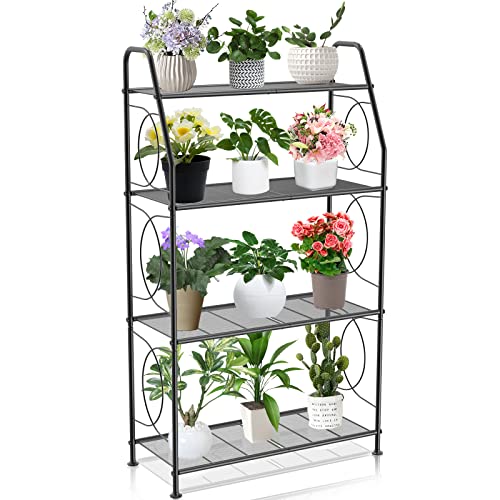
Potting Rack Buying Guide: Organize Your Garden Workspace
A well-chosen potting rack transforms a cluttered corner into a functional, weather-ready garden station. Learn how to pick the right size, material, and configuration for your outdoor space.
Explore Top PicksWhy a potting rack matters: Whether you are a weekend gardener or a dedicated plant parent, a dedicated potting rack keeps soil, tools, and containers organized while protecting your back and your patio surfaces. This guide walks you through every decision point so you can buy with confidence.
What Is a Potting Rack and Why Do You Need One?
A potting rack is a dedicated shelving or bench-style structure designed to hold pots, soil bags, tools, and plants during repotting and everyday garden care. Unlike a simple table, a potting rack is built with raised shelves, drainage-friendly surfaces, and often a lower work area that keeps everything within arm's reach. It is the backbone of an efficient outdoor garden workspace.
If you already maintain a dedicated potting bench, a rack complements it by adding vertical storage for pots and supplies. Many gardeners pair a rack with a potting table to create a complete station. For those who prefer an all-in-one solution, a potting bench with storage combines both functions in a single footprint.
Key Types of Potting Racks
Potting racks come in several configurations. Understanding the differences helps you match the product to your space and gardening habits.
Freestanding Shelf Rack
A simple multi-tier shelving unit, typically with two to four shelves. Ideal for small patios and balconies where floor space is limited.
Best for: Container gardeners and renters who need a movable solution.
Workbench-Style Rack
Combines a flat work surface with open shelving below. Often includes a back panel for hanging tools and a lower shelf for soil bags.
Best for: Regular repotting and seed-starting routines.
Mobile Potting Cart
Wheeled rack with locking casters, allowing you to move the station between sun and shade or store it away seasonally.
Best for: Multi-use patios and gardeners who work in different zones.
Wall-Mounted Rack System
Heavy-duty bracket-mounted shelving that frees up floor area entirely. Often modular and expandable with additional tiers.
Best for: Compact courtyards and garages with limited floor space.
Materials: What to Look For
The material determines how long your rack survives sun, rain, and heavy soil bags. Here is how the common options compare.
| Material | Durability | Maintenance | Best For |
|---|---|---|---|
| Powder-Coated Steel | High — rust-proof finish when coated properly | Low — wipe clean | Heavy pots and year-round outdoor use |
| Cedar or Teak | High — naturally rot-resistant | Moderate — occasional sealing | Rustic garden aesthetics |
| Galvanized Metal | Moderate to High — zinc coating resists corrosion | Low | Utility-focused setups |
| Recycled Plastic / Resin | Moderate — UV-stabilized versions last well | Very Low | Easy-clean, lightweight stations |
| Bamboo | Moderate — needs shelter from direct rain | Moderate | Covered porches and sunrooms |
If your rack will sit fully exposed to the elements, prioritize a powder-coated outdoor furniture finish or a powder-coated aluminium frame. These finishes resist chipping and corrosion far better than bare metal. For a natural look, look for pressure-treated wood that has been rated for ground contact.
Sizing and Layout: Match the Rack to Your Space
Measure first, then choose. A rack that is too deep becomes a dumping ground; one that is too narrow wastes vertical space. Use these guidelines:
- Depth: 18–24 inches is the sweet spot for reaching the back shelf comfortably.
- Height: Work surfaces around 32–36 inches suit most adults; shelving above shoulder height should hold lightweight items only.
- Width: 36–48 inches fits most patios and allows room for a soil bin and tool caddy side by side.
- Clearance: Leave at least 24 inches of walkway in front of the rack for comfortable movement.
For balconies and compact courtyards, a wall-mounted or tiered rack works better than a full bench. If you are outfitting a larger garden zone, consider pairing your rack with raised beds or a raised planter garden to create a cohesive growing area.
Features That Make a Difference
Not every rack is built for real gardening work. Look for these practical features:
- Lower soil shelf: A dedicated shelf at knee height saves your back when filling pots.
- Drainage or removable tray: Keeps water and loose soil from pooling on the shelf surface.
- Tool hooks or side rails: Keeps trowels, snips, and gloves within reach.
- Locking casters: Essential if you choose a mobile cart.
- Weight rating: Check the per-shelf load limit — a bag of wet soil is heavier than it looks.
- Weather-resistant hardware: Stainless or coated screws prevent rust streaks.
If you also maintain a dedicated propagation area, a rack with adjustable shelf heights lets you accommodate seed trays and taller nursery pots at the same time.
Potting Rack vs. Potting Bench: Which Do You Need?
The two are often confused. A potting bench is a work surface with storage, while a potting rack is primarily a storage structure. In practice, the categories overlap. If you need a place to actually repot plants, a bench-style rack is the better choice. If you mainly need to organize pots, soil, and tools, a shelving rack is sufficient and often takes up less floor area.
Many gardeners start with a rack and later add a bench as their collection grows. If you are building out a full garden zone, our guides on potting benches and potting tables explain how to choose a work surface that pairs well with your rack.
Placement and Care Tips
Where you place the rack affects both its lifespan and your workflow:
- Position it on a level, hard surface — concrete or stone — so the legs do not sink into soil.
- Keep it out of direct sprinkler spray to reduce corrosion and mold growth.
- Rinse shelves monthly to prevent fertilizer residue buildup.
- Store bagged soil on the lowest shelf, never on top, to keep the center of gravity low.
- Bring lightweight racks indoors or cover them during severe storms.
Frequently Asked Questions
How much weight can a typical potting rack hold?
Most mid-range steel and wood racks are rated for 50–100 lbs per shelf. Entry-level resin racks often hold less. Always check the manufacturer's per-shelf rating before loading bagged soil.
Can a potting rack stay outside all year?
Yes, if it is powder-coated steel, galvanized metal, or treated wood. Resin racks survive well but can become brittle in extreme cold. Bamboo and untreated wood should be sheltered or covered.
Do I need a potting rack if I already have a potting bench?
Not necessarily, but many gardeners add a rack for extra vertical storage. If your bench has limited shelving, a small rack nearby keeps pots and supplies organized without cluttering the work surface.
What is the best potting rack for a small balcony?
A wall-mounted or tiered freestanding rack with a narrow footprint works best. Choose a lightweight material like powder-coated steel or resin so it is easy to reposition.
How do I keep a potting rack from rusting?
Choose a powder-coated or galvanized finish, touch up any chips promptly, and avoid leaving standing water on the shelves. A quick rinse and dry after heavy use extends the finish considerably.
Related Garden & Outdoor Guides
Planning a full garden workspace? These related guides can help you build out the rest of your setup:
- Potting Bench Guide — work surfaces and storage combinations
- Potting Bench with Storage — all-in-one stations for serious gardeners
- Potting Table — compact work surfaces for small spaces
- Raised Garden Beds — growing areas that pair well with a potting station
- Raised Planter Garden — elevated growing for patios and decks
- Rain Barrels — water collection near your workspace