Pressure Treated Wood for Outdoor Furniture: The Complete Guide
Everything you need to know about choosing, using, and maintaining pressure treated wood for durable, beautiful outdoor furniture.
Why pressure treated wood matters: When you invest in outdoor furniture, you want it to withstand sun, rain, and seasonal changes without falling apart. Pressure treated wood is one of the most reliable materials for the job — but not all treated lumber is created equal. This guide walks you through the treatment process, grades, safety considerations, and maintenance practices so you can make a confident, informed decision for your patio or garden.
What Is Pressure Treated Wood?
Pressure treated wood is lumber that has been infused with chemical preservatives under high pressure in a sealed chamber. This process forces the preservatives deep into the wood fibers, creating a barrier against rot, fungal decay, and termite damage. Unlike surface-applied treatments, pressure treatment penetrates the wood's cellular structure, offering long-lasting protection that survives years of exposure to the elements.
The treatment process typically involves placing wood in a vacuum-sealed cylinder, removing air from the cells, and then flooding the chamber with preservative solution. Pressure is applied to force the solution into the wood, and a final vacuum helps distribute the preservatives evenly. The result is a material that performs exceptionally well in outdoor environments, making it a popular choice for decks, fences, and — increasingly — outdoor furniture.
For homeowners designing a complete outdoor living space, understanding pressure treated wood is an essential piece of the puzzle. It pairs naturally with other durable materials like powder-coated aluminum patio furniture and complements the aesthetic of poly furniture when you want a mixed-material look.
Types of Pressure Treatment Chemicals
The chemicals used in pressure treatment have evolved significantly over the decades. Older treated wood often contained chromated copper arsenate (CCA), which was phased out for residential use in many regions due to arsenic concerns. Modern formulations are safer and more environmentally friendly:
ACQ (Alkaline Copper Quaternary)
ACQ is one of the most common treatments for residential lumber. It uses copper as the primary fungicide and quaternary ammonium compounds as insecticides. ACQ-treated wood is arsenic-free, offers excellent protection against rot and insects, and is widely available at building supply stores. It has a slightly greenish or brownish tint that fades to a weathered gray over time if left unfinished.
Copper Azole (CA)
Copper Azole combines copper with azole fungicides. It is another arsenic-free option that provides strong protection with a lower copper concentration than ACQ, making it less corrosive to metal fasteners. CA-treated wood is a solid choice for furniture that will be exposed to moisture and is often preferred in coastal climates.
Borate-Based Treatments
Borate treatments are effective against termites and decay fungi but are water-soluble, meaning they are not suitable for ground-contact applications. They are typically used for indoor framing or protected outdoor applications where moisture exposure is limited. For furniture that will be rained on, borate-treated wood is not the best fit.
Micronized Copper Azole (MCA)
MCA uses microscopic copper particles suspended in the treatment solution, allowing for deeper penetration and better performance with less visible surface residue. This is a premium treatment option often found in high-end lumber, offering excellent durability and a cleaner appearance.
When shopping for pressure treated wood furniture or lumber for DIY projects, look for the treatment type on the end tag or ask the supplier. The most reputable options for outdoor furniture are ACQ, CA, and MCA — all arsenic-free and designed for long-term exposure.
Understanding Pressure Treatment Grades and Retention Levels
Pressure treated wood is classified by its intended use, which determines the concentration of preservatives (known as retention level) and the treatment's suitability for different applications:
| Grade / Use Category | Best For | Retention Level | Durability |
|---|---|---|---|
| Above Ground | Tabletops, armrests, backrests, decorative elements | Lower | Good for dry or elevated use |
| Ground Contact | Legs, posts, bases, any part touching soil | Higher | Excellent for moisture-prone areas |
| Freshwater Marine | Dockside furniture, lakeside patios | Very High | Superior water resistance |
| Heavy Duty / Commercial | Public parks, high-traffic commercial spaces | Highest | Maximum longevity and strength |
For outdoor furniture, the most practical approach is to use ground-contact rated wood for legs and any structural parts that sit on or near the ground, while above-ground rated wood can be used for tabletops and upper components. Many furniture makers use ground-contact rated lumber throughout for maximum durability and peace of mind.
Why Choose Pressure Treated Wood for Outdoor Furniture?
There are several compelling reasons why pressure treated wood remains a top choice for outdoor furniture projects and manufactured pieces alike:
- Exceptional rot resistance: The deep penetration of preservatives protects against fungal decay, which is the leading cause of outdoor furniture failure. This makes treated wood ideal for humid climates and rainy regions.
- Insect protection: Termites and carpenter ants can destroy untreated wood in a few seasons. Pressure treatment creates a hostile environment for wood-boring insects, extending the furniture's lifespan dramatically.
- Structural strength: Wood is naturally strong and rigid. Pressure treated lumber maintains that strength while adding protection, making it suitable for heavy-duty seating, large dining tables, and structural elements like pergola frames.
- Workability: Treated wood can be cut, drilled, sanded, and shaped like any other lumber. This makes it a favorite for DIY enthusiasts building custom benches, planters, or picnic tables.
- Long-term performance: A well-maintained pressure treated wood furniture piece can last decades, making it a long-term investment rather than a short-lived purchase.
- Aesthetic versatility: Treated wood accepts stains, paints, and sealants, allowing you to match your patio's design theme — from rustic farmhouse to modern minimalist.
Compared to other outdoor furniture materials, pressure treated wood offers a balance of durability and workability that few materials can match. It is more substantial than pool furniture made from resin or plastic, and it can be styled to blend with natural surroundings in a way that metal or composite materials sometimes cannot.
Pressure Treated Wood vs. Other Outdoor Furniture Materials
Understanding how pressure treated wood compares to alternatives helps you make the right choice for your specific needs. Here is a side-by-side look at common outdoor furniture materials:
| Material | Durability | Maintenance | Best For |
|---|---|---|---|
| Pressure Treated Wood | High — 15–25+ years | Moderate — seal every 1–2 years | Traditional patios, DIY projects, heavy seating |
| Teak / Hardwood | Very High — 25+ years | Low — occasional oiling | Premium outdoor dining sets, luxury loungers |
| Powder-Coated Aluminum | High — 20+ years | Low — wipe clean | Modern patios, poolside areas, rust-free environments |
| Poly / HDPE Furniture | Very High — 20+ years | Very Low — soap and water | Coastal areas, pool decks, all-weather use |
| Wicker / Rattan | Moderate — 5–10 years | Moderate — cover when not in use | Decorative seating, covered porches |
| Metal (Steel / Iron) | High but prone to rust | High — rust treatment needed | Vintage-style patio sets, bistro tables |
For those who want a rustic, natural look with proven durability, pressure treated wood is a standout choice. It works particularly well for porch furniture and porch swings, where the wood's warmth and character add to the home's curb appeal. If you are considering a glider or swing, a poly glider is a low-maintenance alternative, but treated wood remains the classic option for traditional designs.
How to Choose Quality Pressure Treated Wood Furniture
Not all pressure treated wood furniture is created equal. When evaluating a piece — whether in a store or from an online retailer — keep these quality indicators in mind:
1. Check the Treatment Rating
Look for a tag or label indicating the treatment level. Ground-contact rated wood is your best bet for furniture that will be exposed to moisture and soil. Above-ground rated wood is acceptable for parts that stay dry, but for a piece that lives outside year-round, ground-contact treatment provides a greater margin of safety.
2. Inspect the Wood Grain and Knots
High-quality treated lumber has a tight, straight grain and minimal large knots. Knots can weaken the wood and create spots where moisture penetrates. For furniture, look for pieces with clean, consistent grain patterns and avoid boards with excessive knotting or visible cracks.
3. Assess the Joinery and Construction
Even the best-treated wood will fail if the furniture is poorly constructed. Look for reinforced joints, corrosion-resistant fasteners (stainless steel or hot-dipped galvanized), and sturdy bracing. Screws and bolts should be appropriate for treated wood — standard steel fasteners can corrode quickly when in contact with modern treatments.
4. Evaluate the Surface Finish
Many manufacturers pre-sand and pre-seal their treated wood furniture. A smooth, splinter-free surface is a sign of quality craftsmanship. Some pieces come with a factory-applied water-repellent finish that provides initial protection and gives you a head start on maintenance.
5. Consider the Wood Species
Southern Yellow Pine is the most common species used for pressure treated lumber in North America, prized for its strength and ability to absorb treatment chemicals deeply. Other species like Douglas Fir may also be treated, but pine remains the standard for outdoor furniture due to its combination of strength and treatability.
When comparing options, use universal tier descriptors to guide your expectations. Entry-level furniture may use thinner stock and simpler joinery, while premium-tier and commercial-grade pieces typically feature thicker lumber, reinforced joinery, and higher treatment retention levels. Mid-range options often strike a solid balance between construction quality and treatment level for typical residential use.
Maintenance and Care for Pressure Treated Wood Furniture
Pressure treated wood is durable, but it is not maintenance-free. Proper care extends its lifespan and keeps it looking its best:
Initial Care After Purchase
New pressure treated wood is often wet from the treatment process. Allow it to dry for several weeks before applying a sealant or stain. During this period, the wood may shrink slightly and develop small surface cracks (called checking), which is normal and does not affect structural integrity. Keep the furniture clean and dry, and avoid placing it on wet grass or soil during this curing period.
Regular Cleaning
Clean your treated wood furniture two to three times per season with a mild soap solution and a soft-bristle brush. Avoid pressure washing, which can damage the wood fibers and strip away some of the treatment. Rinse thoroughly and allow to air dry.
Sealing and Staining
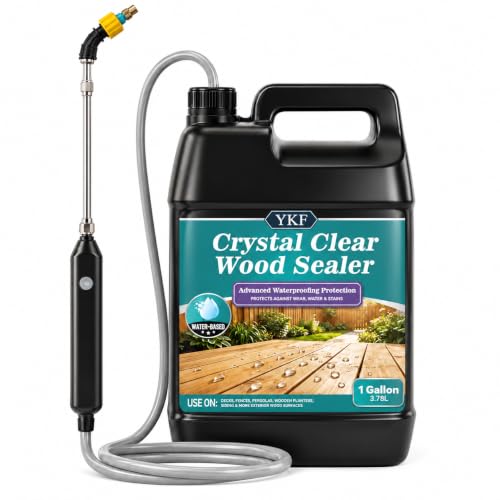
Apply a high-quality penetrating sealant or exterior stain every one to two years, depending on your climate. Sealant protects against moisture, UV damage, and surface wear. It also helps prevent the wood from turning gray. Choose a product specifically formulated for pressure treated wood — some stains are incompatible with the chemicals used in certain treatments.
Seasonal Protection
During winter or extended periods of non-use, cover your furniture with a breathable waterproof cover. Avoid plastic tarps, which trap moisture and can promote mold growth. If possible, store smaller pieces in a shed or garage during the off-season.
Addressing Damage
Inspect furniture regularly for loose fasteners, splinters, or signs of rot. Tighten screws and bolts as needed. Sand minor splinters and apply a spot treatment or sealant. If you notice soft spots or fungal growth, address them immediately to prevent the problem from spreading.
For a deeper dive into protecting outdoor furniture across all materials, see our guide to weatherproofing. And if you are caring for specific pieces like a porch swing or bench, our porch bench resource offers targeted advice.
Safety Considerations for Pressure Treated Wood
Modern pressure treated wood is safe for outdoor furniture when used as intended, but a few sensible precautions are worth noting:
- Choose arsenic-free treatments: ACQ, CA, and MCA are all arsenic-free and suitable for residential furniture. Avoid older CCA-treated wood, especially for surfaces that come into direct contact with skin or food.
- Wear protective gear when cutting or sanding: Always wear a dust mask and eye protection when working with treated wood. Wash hands and clothing after handling, and avoid eating or drinking while working.
- Do not burn treated wood: Burning releases toxic chemicals into the air and ash. Dispose of treated wood scraps according to local regulations.
- Use appropriate fasteners: Modern treatments can corrode standard steel fasteners. Use stainless steel or hot-dipped galvanized hardware to ensure structural integrity over time.
- Allow wood to dry before use: Newly treated wood may release moisture and trace chemicals for a short period. Let it cure outdoors before placing it in enclosed spaces or using it for dining surfaces.
When integrated thoughtfully into your outdoor space, pressure treated wood furniture coexists beautifully with other features like raised garden beds and garden ponds, creating a cohesive, natural aesthetic.
DIY vs. Pre-Made Pressure Treated Wood Furniture
You have two main paths when it comes to pressure treated wood furniture: buy ready-made pieces or build your own. Both have distinct advantages.
Pre-Made Furniture
Manufactured pressure treated wood furniture saves time and often comes with refined design details, pre-drilled holes, and factory-applied finishes. It is the better choice if you want a polished look without the effort of construction. Brands that specialize in outdoor wood furniture often use select-grade lumber and reinforced joinery that is difficult to replicate in a home workshop.
DIY Projects
Building your own furniture gives you complete control over dimensions, design, and material quality. It is a rewarding project for those with basic woodworking skills. Common DIY projects include picnic tables, benches, planter boxes, and simple chairs. Pressure treated lumber is widely available in standard dimensions, and the tools required are relatively basic. Just be sure to use appropriate fasteners and allow for wood movement as the material dries.
For inspiration on outdoor living setups that pair well with wood furniture, explore our porch and patio guides, or consider how a porch swing with stand can become a focal point of your treated-wood furniture arrangement.
Frequently Asked Questions
Is pressure treated wood suitable for outdoor furniture?
Yes. Pressure treated wood is one of the most suitable materials for outdoor furniture. The treatment process infuses preservatives deep into the wood fibers, protecting against rot, decay, and insect damage. It is especially effective for furniture that stays outside year-round.
How long does pressure treated wood furniture last?
With proper maintenance, pressure treated wood furniture can last 15 to 25 years or more. Longevity depends on the treatment level, wood species, climate, and regular care such as sealing and cleaning.
Do I need to seal pressure treated wood furniture?
While sealing is not mandatory, it is highly recommended. A quality sealant or stain extends the furniture's lifespan, reduces cracking and warping, and helps maintain its appearance. Wait until the wood is dry before applying a sealant, which typically takes a few weeks to a few months after purchase.
Is pressure treated wood safe for outdoor furniture?
Modern pressure treated wood, particularly types treated with ACQ or Copper Azole, is considered safe for outdoor furniture when used as intended. These treatments are arsenic-free and designed for residential use. Always follow the manufacturer's guidelines and avoid burning treated wood.
What is the difference between ground-contact and above-ground pressure treated wood?
Ground-contact rated wood has a higher concentration of preservatives and is designed for direct soil contact, making it ideal for furniture legs or posts that touch the ground. Above-ground rated wood is suitable for parts that do not contact soil, such as tabletops and armrests.
Ready to Furnish Your Outdoor Space?
Explore our curated selection of durable outdoor furniture and find the right pieces for your patio, porch, or garden.
View Recommended Products