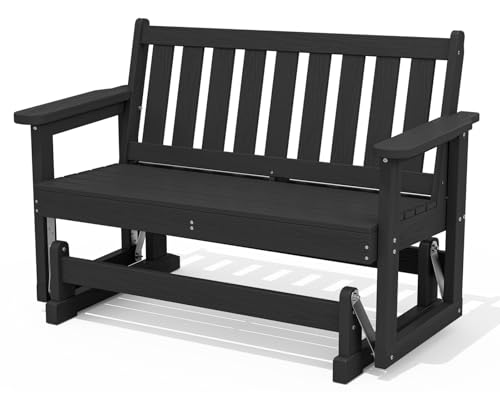
Poly Glider Outdoor Furniture: The Complete Buying & Care Guide
Everything you need to know about poly gliders — how they are built, why they last, how to choose the right size and style, and how to keep yours looking beautiful for years.
Start the GuideQuick summary: A poly glider is a smooth-motion outdoor seat — usually a bench or loveseat — built from poly lumber, a recycled high-density polyethylene (HDPE) material. It resists rot, insects, fading, and moisture far better than wood, and it delivers the gentle rocking-gliding motion that makes a porch or patio feel instantly relaxing. This guide walks you through construction, comfort, sizing, styling, and long-term care so you can decide with confidence.
What Exactly Is a Poly Glider?
A poly glider is an outdoor seating piece — most often a two- or three-seat bench — mounted on a gliding mechanism that lets the seat travel forward and backward on a smooth track, rather than swinging like a traditional porch swing. The frame and slats are manufactured from poly lumber, which is typically made from recycled milk jugs and other HDPE plastics. The result is a material that looks a great deal like painted or stained wood but behaves like a modern polymer.
Because of that material, poly gliders are a popular choice for porches, decks, patios, sunrooms, and poolside areas. They pair naturally with other resin and poly pieces, and they are frequently grouped with poly furniture collections for a cohesive, low-maintenance outdoor setup. If you are weighing a glider against a classic rocker, our comparison of an outdoor rocker glider versus a standard outdoor rocker may help you decide on motion style.
How Poly Lumber Is Made (And Why It Matters)
Understanding the material tells you almost everything about how a poly glider will perform over time. Poly lumber is produced by cleaning, shredding, and melting recycled HDPE, then extruding it into boards that mimic the dimensions of traditional lumber. Color is typically infused throughout the board rather than painted on the surface, which is why quality poly pieces hold their color through sun and rain.
Key material characteristics
- Moisture resistant: Poly lumber does not absorb water, so it will not swell, warp, or rot the way untreated wood can.
- Insect resistant: Termites and carpenter bees have nothing to feed on, which is a major advantage in humid climates.
- Color-fast: Premium poly lumber uses UV-stabilized pigments so the color runs through the board and resists fading.
- Low maintenance: No annual sealing, staining, or painting is required — soap and water are usually enough.
- Weight: Poly furniture is heavy and stable, which is great for wind resistance but means you should plan its location before assembly.
Because the material is so forgiving, poly gliders are especially appealing in coastal, rainy, and snowy regions where wood furniture demands constant attention. Our broader guide to waterproof material for garden furniture explains how poly compares with metal, teak, and wicker.
The Gliding Mechanism: What to Look For
The motion is the heart of a glider, and the hardware is where tiers of quality really separate. Entry-level models often use simple nylon or plastic bushings, while mid-range and premium gliders use sealed ball-bearing glides or stainless steel tracks that stay smooth for years. A well-built glider should move with almost no effort and stop without a jarring halt.
Mechanism checklist
- Bearings vs. bushings: Ball-bearing glides are smoother and more durable than plain bushings, especially in humid conditions.
- Stainless hardware: Look for stainless steel or coated hardware to resist rust, particularly near the coast or a pool.
- Track design: A fully enclosed or well-shielded track keeps debris out and extends the life of the glide.
- Weight capacity: Check the rated capacity; two-seat gliders vary widely, and heavier frames usually correspond to sturdier mechanisms.
- Motion test: If you can, sit and glide before buying — the motion should feel controlled, not loose or sticky.
Comfort, Sizing, and Seating Capacity
Poly gliders come in a range of footprints, from compact two-seat benches for a small balcony to generous three-seat models for a large porch. Measure your space carefully and leave room for the gliding travel — the seat needs clearance in front of and behind it to move freely. A common mistake is buying a glider that fits the wall but cannot actually glide because it is too close to a railing or planter.
Sizing guidance
- Two-seat gliders: Best for couples, small porches, and balconies; usually the most versatile footprint.
- Three-seat gliders: Ideal for family porches and larger decks; confirm the weight rating for multiple adults.
- Clearance: Allow several inches of travel space at the front and back of the glide path.
- Cushions: Many owners add seat cushions for extra comfort; look for quick-dry outdoor foam and UV-resistant fabric.
If your space is tight, you may prefer a compact outdoor loveseat glider or a conversation set for small spaces that includes gliding seats. For a broader seating comparison, browse our outdoor lounge furniture collection.
Poly Glider Tiers: Entry-Level to Luxury
Rather than shopping by number, it helps to think about poly gliders in tiers. Each tier reflects construction quality, material thickness, hardware grade, and finish detail — not a specific figure. Use this framework to match a glider to your climate and how often you will use it.
| Tier | Construction & Hardware | Best For |
|---|---|---|
| Entry-Level | Thinner poly boards, simple bushing glides, basic color options, lighter frame | Occasional use, covered porches, first-time buyers |
| Mid-Range | Thicker boards, smoother bearing glides, stainless hardware, wider color range | Everyday family use, exposed decks, mixed climates |
| Premium | Heavy-duty frame, sealed ball-bearing glide, color-through pigments, refined joinery | Full-sun patios, coastal homes, high-traffic porches |
| Luxury | Commercial-grade poly, precision glide track, custom colors, premium cushion packages | Design-led outdoor rooms, resort-style patios, long-term investment |
As a rule, mid-range and premium tiers offer noticeably smoother glide action and better color retention than entry-level models. If your glider will sit in direct sun or near salt water, it is usually worth stepping up a tier for the hardware alone. Our poly furniture overview covers how these tiers apply across benches, chairs, and tables.
Pros and Cons of Poly Gliders
No material is perfect for every buyer. Here is a balanced look at what poly gliders do well and where they fall short.
Advantages
- Resists rot, moisture, and insects better than wood
- No annual sealing, staining, or painting required
- Color runs through the material for long-term fade resistance
- Heavy and stable in windy conditions
- Made largely from recycled plastic — a more sustainable choice
- Smooth, relaxing glide motion that suits porches and patios
Considerations
- Heavier than wood or aluminum — plan placement before assembly
- Glide hardware quality varies significantly by tier
- Some finishes can look less natural than real wood grain
- Requires periodic cleaning to prevent surface grime buildup
- Not fully immune to damage from extreme heat or sharp impacts
What to Check Before You Buy
When you are ready to choose a poly glider, run through this checklist. It is designed to catch the details that separate a glider you keep for a season from one you keep for a decade.
- Material thickness: Thicker boards generally mean a sturdier, longer-lasting frame.
- Glide hardware: Prefer sealed bearings and stainless steel over exposed plastic bushings.
- Weight rating: Confirm the seated capacity matches how you plan to use it.
- UV stabilization: Ask whether the color is UV-stabilized and infused through the board.
- Assembly: Check whether tools are included and how many people are needed to assemble.
- Warranty: A longer structural warranty is a useful signal of build confidence.
- Climate fit: Coastal and snowy regions benefit most from the premium tiers.
If you are pairing your glider with a table, our guides to outdoor dining furniture and outdoor setting arrangements help you plan the full layout.
Styling Your Poly Glider
Poly gliders are visually versatile. Because the frame is usually a solid color, the surrounding decor does most of the styling work. A few practical approaches:
Coastal look
Choose a white or light gray glider and pair it with navy or seafoam cushions, natural fiber accents, and a nearby patio umbrella for shade. This is a natural fit for beach houses and lakefront decks.
Farmhouse look
Warm brown or dark green poly finishes read well against a wood-toned porch. Add a simple outdoor side table for a drink and a stack of books.
Modern minimal
Black or charcoal gliders with neutral cushions suit contemporary patios. Keep the palette tight and let the clean lines of the poly frame stand out.
Layered comfort
For maximum comfort, add an outdoor ottoman nearby and consider a small outdoor rug to define the seating zone. Cushions should use quick-dry foam and solution-dyed fabric to hold up in sun and rain.
Caring for a Poly Glider
One of the great advantages of poly furniture is how little maintenance it needs. Still, a simple routine keeps a glider looking new and its motion smooth.
- Routine cleaning: Wipe down with mild soap and water a few times per season; rinse after pollen or salt spray.
- Glide hardware: Inspect the track and bearings periodically; remove grit or debris that can cause friction.
- Cushions: Store or cover cushions during heavy rain and winter to extend fabric life.
- Winter care: Poly handles cold well, but covering the glider protects the glide mechanism from ice and debris.
- Avoid harsh chemicals: Skip abrasive cleaners and solvents that can dull the surface finish.
For more on seasonal upkeep, see our guide to rust removal for the metal hardware on any outdoor furniture, and our broader outdoor care resources for weatherproofing tips.
Frequently Asked Questions
Is a poly glider better than a wooden glider?
Can a poly glider stay outside all year?
How much space does a glider need to work?
Do poly gliders fade in the sun?
Can I add cushions to a poly glider?
How heavy is a poly glider?
Ready to Explore Poly Glider Options?
Compare styles, sizes, and tiers to find the poly glider that fits your porch, patio, or deck — then check availability from trusted outdoor retailers.
View Recommended Poly GlidersRecommended Poly Gliders & Outdoor Seating
⚠️ AFFILIATE DISCLOSURE: This website contains affiliate links. As an Amazon Associate, we earn from qualifying purchases. If you make a purchase through these links, we may receive a small commission at no additional cost to you. Read our full affiliate policy.
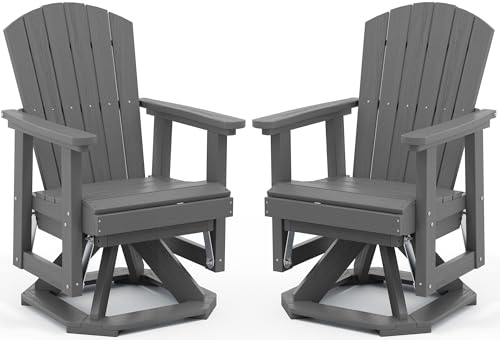
SERWALL HDPE Adirondack Swivel Glider Chair Set of 2 for Outdoor | 360 Degree Swiveling & Smooth Gliding, Gray
Check price on Amazon
SERWALL HDPE Adirondack Swivel Glider Chair Set of 2 for Outdoor | 360 Degree Swiveling & Smooth Gliding, Black
Check price on Amazon
SERWALL 2 Person Patio Glider Bench, HDPE All Weather Swinging Bench, Grey
Check price on Amazon
Mosbrisa Poly Lumber Patio Glider for One Person, HIPS, Light Brown | with Cup Holders, High Backrest and Deep Contoured Seat, All-Weather Resistant, Heavy Duty 700 LBS
Check price on Amazon
HIPS Patio Glider with Cup Holders, Durable Poly Lumber Material, All-Weather Resistant, High Backrest and Deep Contoured Seat, Heavy Duty 900 LB, for Outdoor, Porch, Patio (Navy Blue, 3-Seat)
Check price on Amazon
Mosbrisa HIPS Swivel Patio Glider, Poly Lumber Weather Resistant Outdoor Chair, for Patio, Porch, Yard (Matte Black)
Check price on Amazon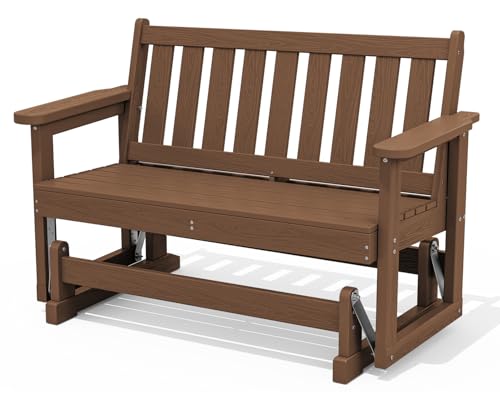
SERWALL 2 Person Patio Glider Bench, HDPE All Weather Swinging Bench, Brown
Check price on Amazon