Outdoor Side Table Buying Guide
Everything you need to know before choosing a side table for your patio, deck, or balcony — materials, sizing, stability, and styling explained in plain terms.
EXPLORE THE GUIDEWhy a side table matters: An outdoor side table is one of the smallest pieces in a patio setup, yet it is one of the most frequently used. It holds drinks, snacks, books, lanterns, and sunscreen without forcing you to leave your seat. Because it sits close to your body and your furniture, choosing the right one depends on more than looks — height, weight stability, surface durability, and weather resistance all affect daily use. This guide walks you through each decision so you can buy with confidence.
What Counts as an Outdoor Side Table?
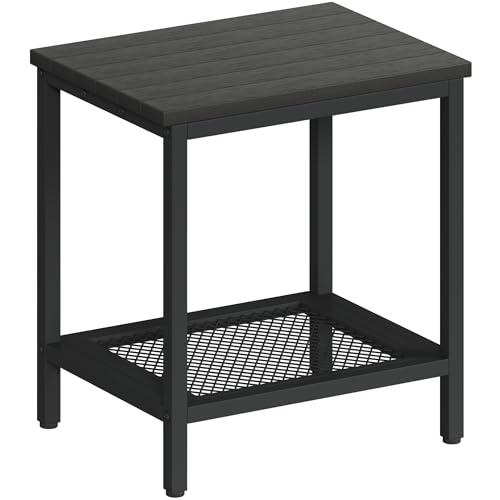
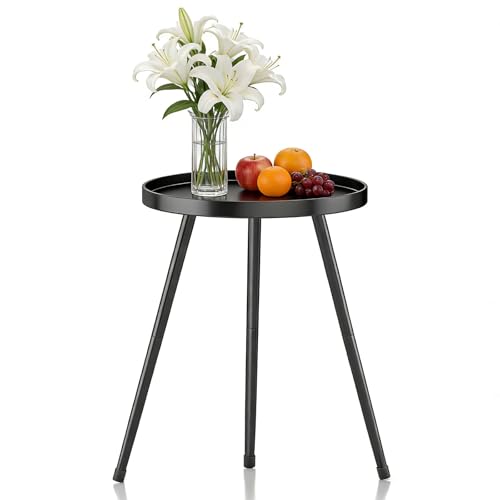
An outdoor side table — sometimes called a patio end table or accent table — is a compact table designed to sit beside a chair, sofa, lounger, or hammock. It is typically smaller than a coffee table and taller than a footstool, with a surface large enough for a drink and a few personal items. Common shapes include round, square, rectangular, and half-moon designs that tuck against a wall or railing.
Unlike indoor side tables, outdoor models must handle sun exposure, rain, temperature swings, and occasional wind. That is why the material and finish matter more than decorative details. If you are still planning the rest of your seating area, our guide to outdoor patio furniture can help you coordinate the full layout before you commit to a small table.
Key Buying Criteria to Evaluate
1. Material and Weather Resistance
Material determines how the table ages, how often you need to clean it, and whether it can stay outside all year. The table below summarizes the most common outdoor side table materials and how they behave in real-world conditions.
| Material | Weather Resistance | Maintenance Level | Best For |
|---|---|---|---|
| Powder-Coated Aluminum | Excellent — rust-proof finish | Low — wipe clean | Coastal areas, rainy climates, low-maintenance setups |
| High-Grade Steel | Good — heavy-duty, needs coating care | Moderate — check for chips | Windy decks, anchoring near seating |
| Teak / Acacia Hardwood | Good — natural oils resist moisture | Moderate — seal annually | Warm, natural aesthetics, covered patios |
| HDPE / Resin | Excellent — all-weather build | Very low — hose down | Family use, poolside, full sun exposure |
| Wicker / Rattan | Moderate — best in sheltered spots | Moderate — keep dry | Covered porches, decorative styling |
| Concrete / Stone Composite | Excellent — heavy and stable | Low — occasional rinse | Wind-prone areas, permanent placement |
Editorial note: For most homeowners, powder-coated aluminum and HDPE offer the best balance of durability and low maintenance. Hardwood models reward you with a richer look but require periodic sealing to stay in top condition. If the table will sit fully exposed to rain and sun, prioritize rust-proof or all-weather materials over decorative wicker.
2. Height and Proportion
Height is the most overlooked specification. A side table that is too low forces you to reach awkwardly; one that is too high blocks the armrest and feels intrusive. As a rule of thumb, the tabletop should sit level with or slightly below the armrest of the chair or sofa it serves.
- Lounge chairs and Adirondack chairs: Look for a height around 18–22 inches. A dedicated side table for Adirondack chairs is shaped to fit the wide armrest profile.
- Deep-seated sofas and sectionals: A slightly taller table, often 22–24 inches, keeps items within easy reach.
- Chaise lounges and poolside seating: Lower tables work well because you are reclined and reaching downward is natural.
- High-top or bar-height seating: You need a counter-height side table to match the seat height, not a standard patio accent table.
Top diameter or surface area also matters. Round tops between 16 and 20 inches are comfortable for a drink plus a small plate. Square tops around 15–18 inches are efficient in tight corners. If you plan to place a lantern or planter on the surface, choose a slightly larger top and confirm the stated weight capacity.
3. Stability and Weight
Outdoor tables face wind, uneven decking, and accidental bumps. A lightweight folding table is convenient to move but can tip in a gust. Heavier materials like steel, concrete composite, and solid hardwood stay planted. Consider these stability factors:
- Base footprint: A wider base relative to the top reduces tipping risk.
- Leg design: Three-legged tables self-level on uneven surfaces; four-legged tables need adjustable feet or a flat patio.
- Weight capacity: Most quality side tables support 30–75 pounds of evenly distributed weight. Heavy-duty and commercial-grade models support more.
- Surface grip: Rubber or plastic feet protect decking and add friction.
If your patio is exposed to strong wind, a heavier table is the safer long-term choice. If you need to move the table frequently — for example, to clear space for entertaining — a lightweight aluminum or resin model is more practical.
4. Surface Type and Function
The tabletop surface affects both durability and usability. Smooth surfaces are easy to wipe but can become slippery when wet. Slatted tops drain rainwater quickly and suit open-air patios. Glass tops look sleek but require careful handling and show water spots. Consider what you will actually place on the table:
- Drinks and snacks: A flat, rimmed, or slatted surface prevents spills from running off the edge.
- Books and electronics: A solid surface with a slight lip keeps items dry and secure.
- Plants and lanterns: Confirm the weight capacity and choose a stable, non-slip top.
Some side tables include a lower shelf, a built-in cooler, or a storage compartment. These extras add function but also add weight and assembly complexity. Decide whether storage is genuinely useful for your setup or just extra to maintain.
5. Style and Integration with Your Patio
A side table is small enough to be a stylistic accent, but it should still feel connected to the rest of your furniture. Matching materials — for example, an aluminum side table beside an aluminum dining set — creates visual coherence. Mixing materials can work well when the side table echoes a secondary element such as a fire pit surround or a planter.
If your seating is built around a larger piece, review the broader category of patio furniture options first so the side table complements the scale and finish of the main set. For seating arrangements that include a loveseat or sofa, an outdoor ottoman can serve as a flexible alternative or companion to a side table.
Matching the Table to Your Space
Different outdoor areas call for different side table priorities. Use the breakdown below to narrow your shortlist.
Small Balcony or Apartment Patio
Prioritize a compact footprint and a lightweight build. Round tops under 18 inches and folding or nesting designs save floor space. Vertical storage and a single accent table often work better than multiple small tables.
Poolside and Full-Sun Areas
Choose HDPE, resin, or powder-coated aluminum. These handle chlorine splash, UV exposure, and frequent hosing without fading or rusting. Slatted tops drain quickly after rain or pool use.
Covered Porch or Screened Deck
You have more flexibility here. Wicker, rattan, and hardwood side tables stay protected from direct rain and hold their appearance longer. This is also a good place for decorative glass or stone tops.
Windy or Elevated Deck
Weight and base stability matter most. Steel, concrete composite, or solid hardwood tables resist tipping. Avoid lightweight hollow plastic unless the table can be secured or stored during high winds.
Comparing Quality Tiers
Outdoor side tables are available across a wide range of build quality. The tier system below describes relative positioning in the market without referencing specific figures. Use it to set expectations for materials, finish, and lifespan.
| Tier | Typical Build | Expected Lifespan | Best For |
|---|---|---|---|
| Essential Tier | Basic resin or thin steel, simple assembly, limited finish options | Several seasons with care | Occasional use, temporary setups, first patio |
| Balanced Tier | Powder-coated aluminum or HDPE, reinforced joints, multiple finish choices | Many seasons with routine cleaning | Everyday residential use, family patios |
| Premium Tier | High-grade steel or sealed hardwood, refined detailing, stronger weight capacity | Long-term with seasonal maintenance | Design-focused patios, frequent entertaining |
| Luxury Tier | Solid teak, stone composite, or commercial-grade metal, precision joinery | Extended lifespan, often serviceable | Permanent high-end outdoor rooms, hospitality-grade setups |
A mid-range model usually offers a smoother finish and more stable base than an entry-level table, which matters if the table will be used daily. Premium and luxury tiers add refinement and longevity, but the functional difference is smaller than the jump from entry-level to mid-range. Choose the tier that matches how often you will use the table and how much exposure it will face.
Care and Maintenance Basics
Even weather-resistant tables benefit from simple upkeep. A few minutes of care each season extends the life of the finish and keeps the table looking sharp.
- Weekly: Wipe the surface with a damp cloth to remove dust, pollen, and drink rings.
- Monthly: Rinse metal and resin tables with a mild soap solution; avoid abrasive pads that scratch the coating.
- Seasonally: Inspect joints and fasteners for looseness. Reapply sealant to hardwood tables according to the manufacturer's guidance.
- Before winter: Store lightweight tables indoors or cover them with a breathable cover. Check the manufacturer's recommendation for freeze-prone climates.
- Rust prevention: Touch up any chips in powder coating promptly. Our guide to rust removal covers safe techniques for metal furniture.
Frequently Asked Questions
Ready to compare options? The recommended products below are selected to match the buying criteria covered in this guide. Review the specifications, check the material and height, and confirm the weight capacity for your intended use. For additional layout inspiration, explore our full collection of outdoor patio furniture guides.