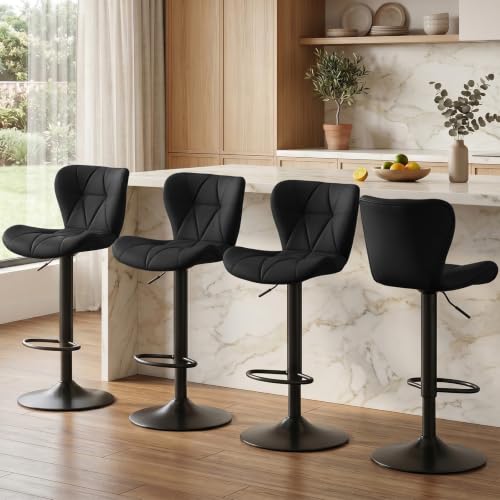
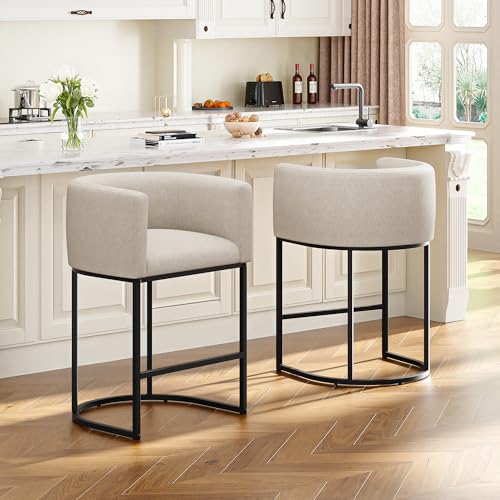
What Are Outdoor Bar Stools and Who Are They For?
Outdoor bar stools are raised seats designed to pair with elevated surfaces such as outdoor bars, pub tables, kitchen islands that open onto a patio, and balcony counters. They differ from standard patio chairs in two key ways: seat height and structural exposure. Because they sit higher and often stand in direct sun, rain, and wind, outdoor bar stools need stronger frames, UV-stable finishes, and drainage-friendly seat materials.
They suit several buyer profiles: homeowners building a dedicated outdoor bar, apartment dwellers maximizing a small balcony with a compact bar-height bistro table and chairs, and entertainers who want flexible seating that guests can pull up to a counter. If your space already includes a raised dining surface, matching the right stool height is the single most important decision you will make.
Bar Height vs Counter Height: Get the Measurement Right
The most common mistake buyers make is ordering a stool that does not match the surface. A stool that is too low leaves your knees cramped; one that is too high makes the surface feel awkward and unsafe. Measure from the floor to the top of your table or counter, then apply the standard clearance rule.
- Counter height surfaces typically measure 34 to 36 inches high. Pair them with stools offering 24 to 26 inches of seat height.
- Bar height surfaces typically measure 40 to 42 inches high. Pair them with stools offering 28 to 30 inches of seat height.
- Extra-tall bar counters above 42 inches need stools with 30 to 32 inches of seat height, and often a footrest becomes essential for comfort.
As a rule of thumb, leave 9 to 12 inches of clearance between the seat and the underside of the surface. That range allows comfortable legroom without making the stool feel disconnected from the bar. If you are furnishing a full set, browse bar-height outdoor table and chairs options that already bundle correctly matched heights.
Comparing Outdoor Bar Stool Types
Outdoor bar stools fall into a handful of practical categories. Each balances stability, comfort, storage, and style differently.
| Stool Type | Best For | Key Consideration | Typical Tier |
|---|---|---|---|
| Backless bar stools | Tight spaces, tucking under counters, casual seating | No back support, so cushioning becomes more important for longer sittings | Entry-level to mid-range |
| Stools with backrests | Long dinners, lounging, guest comfort | Takes more visual space; check back height against your counter sightlines | Mid-range to premium |
| Swivel bar stools | Entertaining, tight seating rows, easy entry and exit | Look for sealed swivel mechanisms that resist grit and moisture | Mid-range to high-end tier |
| Wicker and rattan stools | Coastal, bohemian, and relaxed patio themes | Choose all-weather resin wicker rather than natural rattan for outdoor use | Mid-tier |
| Metal stools | Modern and industrial patios, high-traffic areas | Powder-coated aluminum resists rust better than painted mild steel | Essential tier to premium |
| Wooden stools | Rustic, farmhouse, and natural-material designs | Teak and sealed hardwoods hold up; re-oil annually in harsh climates | Mid-range to luxury |
If your priority is a complete matching setup rather than standalone stools, explore dedicated bar-height patio chairs and coordinated bar-height patio set collections before mixing and matching individual pieces.
Materials: What Survives the Outdoors
Material choice determines how your stools age. A few guidelines make the decision much easier:
Aluminum and Stainless Steel
Powder-coated aluminum is the workhorse of outdoor seating: light enough to move, strong enough for daily use, and naturally resistant to rust when the coating is intact. High-grade stainless steel offers a premium feel and excellent corrosion resistance in coastal areas. Avoid untreated mild steel, which develops surface rust quickly once the paint chips.
Wicker and Resin
All-weather resin wicker mimics the texture of natural rattan while shrugging off rain and UV exposure. It is an excellent choice for coastal and relaxed designs, and it stays comfortable without cushions. Natural rattan and bamboo look beautiful but demand shelter or seasonal storage.
Wood
Teak, acacia, and eucalyptus are popular for outdoor stools because of their natural oils and density. They require periodic sealing or oiling to maintain color and prevent cracking. Wooden stools pair naturally with rustic and farmhouse patio themes, and they develop a pleasant patina when maintained.
Plastic and Polypropylene
Modern molded plastic stools are lightweight, stackable, and easy to clean. They suit casual poolside and family settings. The trade-off is a less refined look and, on lighter models, more flex under heavier users. Look for reinforced bases and UV-stabilized plastic for longevity.
Comfort Features That Actually Matter
Height and material get you a functional stool; comfort features make it one people choose to sit in. Prioritize these:
- Footrests: Essential on taller stools. A well-positioned footrest reduces leg fatigue and improves stability when seated.
- Seat width and depth: Look for seats at least 15 inches wide for adult comfort, and avoid overly shallow seats that cut into the thighs.
- Cushions: Quick-dry foam with solution-dyed acrylic covers resists mold and fading. Removable, machine-washable covers extend usable life.
- Weight capacity and base spread: A wider base improves stability, especially on decks and uneven pavers. Check the rated capacity against your household and guests.
- Swivel mechanisms: Sealed bearings and stainless hardware prevent gritty, squeaky rotation after a season outdoors.
Matching Stools to Your Patio Style
Bar stools are visible from most angles of a patio, so style consistency matters. Consider these pairings:
- Modern and minimalist: Slim aluminum frames with clean lines and matte finishes.
- Coastal: White or natural resin wicker with soft blue or sand-toned cushions.
- Rustic farmhouse: Sealed wood frames with metal accents and warm earth tones.
- Industrial: Matte black metal with visible hardware and distressed wood seats.
- Bohemian: Mixed materials, woven textures, and layered textiles.
For a fuller styling direction, our bar outdoor seating overview covers how stools integrate with bar carts, counters, and surrounding furniture.
How Many Stools Do You Need?
Allow roughly 24 to 26 inches of width per stool for comfortable seating, including elbow room. A six-foot bar counter fits three stools comfortably; an eight-foot counter fits three to four. On balconies and compact patios, backless stools that tuck fully under the counter free up walking space when not in use.
If you are planning a larger gathering area, a bar-height outdoor dining set for 6 may suit better than individual stools, while smaller setups often work well with a bar-height outdoor table and 4 chairs arrangement.
Care and Maintenance for Long-Term Performance
Outdoor bar stools last significantly longer with a simple seasonal routine:
- Rinse frames monthly with fresh water to remove pollen, salt, and grit.
- Wipe metal joints and swivel housings dry after heavy rain to prevent moisture buildup.
- Re-oil wooden stools once or twice per year, depending on climate exposure.
- Store cushions indoors during off-season or prolonged storms.
- Touch up powder-coat chips promptly to prevent corrosion underneath.
For a broader maintenance schedule that includes covers and cleaning solutions, see our weatherproofing guide.
Common Buying Mistakes to Avoid
- Skipping the measurement step: Ordering bar height stools for a counter height surface is the most frequent return reason.
- Ignoring the base footprint: Wide bases can trip guests on narrow patios; narrow bases can feel unstable on uneven surfaces.
- Assuming all wicker is weatherproof: Natural rattan is not; confirm the listing specifies all-weather resin.
- Overlooking footrest height: A footrest placed too low or too high undermines the comfort of an otherwise good stool.
- Buying without considering storage: If you will move stools indoors seasonally, lighter aluminum models are far easier to handle.
Matching Stools to Complete Bar Setups
Standalone stools work well against existing counters, but many buyers are furnishing from scratch. If you want a coordinated look, these setups simplify the process:
- Bar-height patio table for a simple counter-style anchor.
- Bar-height patio set with swivel chairs for entertaining-focused layouts.
- Bar-height outdoor dining table and chairs for full dining functionality.
- Bar-height patio table with umbrella hole for sunny, exposed patios.
- Bar-height outdoor table with umbrella hole for shade integration with existing umbrellas.
Tier Guide: Understanding Product Positioning
Throughout our recommendations we describe products by tier rather than absolute positioning. This helps you calibrate expectations without relying on volatile market figures.
Essential Tier
Basic construction with functional finishes. Suitable for light use, seasonal setups, and buyers prioritizing simplicity over long-term durability.
Mid-Range
Balanced construction with better coatings, sturdier joints, and improved comfort features. A solid choice for most household patios.
Premium
Reinforced frames, high-grade finishes, and refined detailing. Designed for daily outdoor use and long-term exposure.
In practice, a mid-range stool usually offers a noticeably smoother swivel and more consistent powder coat than an entry-level model, while premium stools add structural refinements such as welded joints and marine-grade hardware.
Frequently Asked Questions
What is the difference between bar height and counter height stools?
Counter height stools typically measure 24 to 26 inches from floor to seat and pair with surfaces 34 to 36 inches high. Bar height stools usually measure 28 to 30 inches and pair with surfaces 40 to 42 inches high. Always measure your table or counter before choosing.
Which materials work best for outdoor bar stools?
Powder-coated aluminum, high-grade stainless steel, and weather-resistant wicker or resin are excellent for outdoor use. Teak and other sealed hardwoods also perform well. Avoid untreated mild steel and unfinished softwoods that degrade quickly in rain and sun.
Should I choose swivel or stationary outdoor bar stools?
Swivel stools make it easier to turn toward conversation or step out from a tight bar area, and they suit entertaining spaces well. Stationary stools are simpler, often more stable, and suit narrow or high-traffic zones where movement is limited.
Do outdoor bar stools need cushions?
Cushions add comfort for long sittings, especially on metal or molded seats. Choose quick-dry, mold-resistant foam with solution-dyed acrylic covers. Backless stools often work fine without cushions for short casual use.
How much space should I leave between bar stools?
Allow roughly 24 to 26 inches of width per stool, including elbow room. This spacing keeps seating comfortable and prevents guests from bumping elbows during meals or drinks.