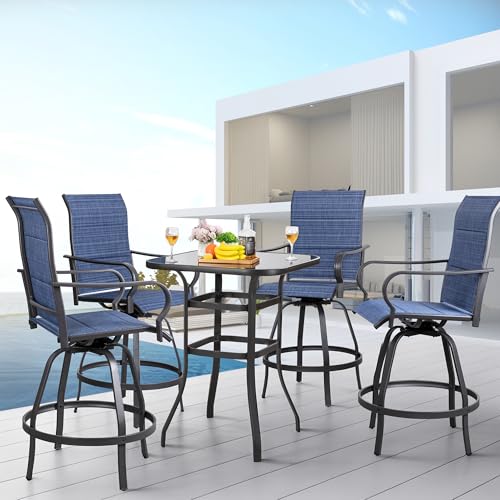
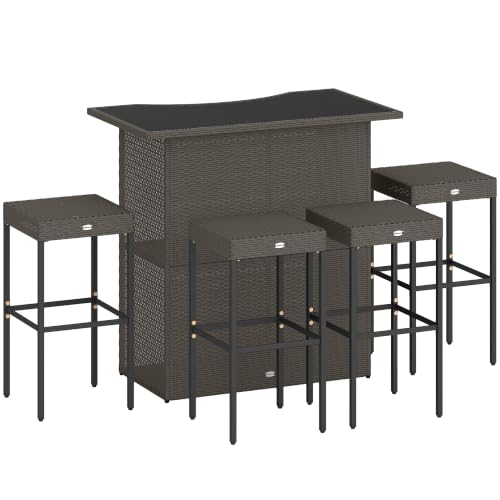
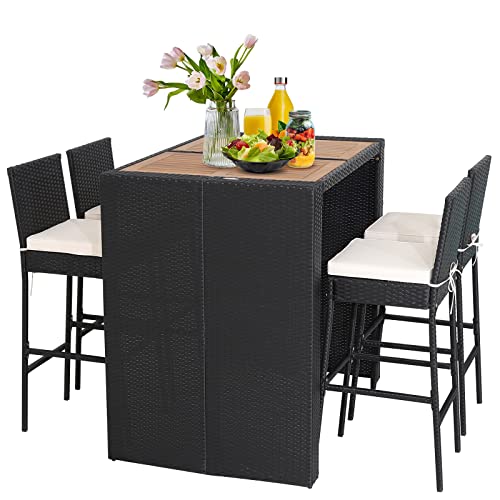
Bar Height Outdoor Table and 4 Chairs: The Complete Buyer's Guide
Everything you need to choose a high-top patio dining set that fits your space, suits your climate, and holds up season after season.
Why this set matters: A bar height outdoor table and 4 chairs changes how you use your patio. The elevated surface brings conversation to eye level, lifts drinks and plates away from splashing fountains and curious pets, and gives small outdoor areas a surprisingly open feel. This guide walks you through the practical decisions — sizing, materials, comfort, and care — so you can buy with confidence.
What Defines a Bar Height Outdoor Set?
A bar height table stands taller than a standard dining table. In practice, that means a tabletop around 40 to 42 inches from the ground, paired with chairs whose seats sit roughly 28 to 30 inches high. That combination gives you about 10 to 12 inches of clearance between seat and tabletop — the range most people find comfortable for eating and leaning.
This is different from counter height, which is closer to a kitchen island at around 36 inches. If you are comparing options, our guide to bar height patio table and 4 chairs breaks down the specific differences between counter and bar setups so you do not end up with mismatched pieces.
The four-chair configuration is the sweet spot for most households. It seats a family of four, works for a casual dinner with friends, and does not overwhelm a mid-sized deck the way a six- or eight-seat set would. If your space runs larger, a bar height outdoor dining set for 6 is the natural next step up.
Sizing and Space Planning
Measure before you shop, and measure the right things. You need the table's footprint, plus room for each chair to pull out, plus walking clearance. A practical starting point is an 8 by 8 foot zone for a four-chair set. On a narrow balcony, a square or round top usually works better than a rectangular one because it keeps the corners accessible.
A few numbers worth keeping in mind:
- Tabletop height: 40 to 42 inches for true bar height.
- Chair seat height: 28 to 30 inches, with footrests positioned so feet rest flat.
- Clearance per side: at least 24 inches behind each chair for pulling out and standing up.
- Umbrella clearance: if you add shade, confirm the pole clears the tabletop and that the base is properly weighted.
If shade is a priority, look at sets designed with a built-in opening, such as a bar height outdoor table and chairs with umbrella hole. It saves you from drilling into a finished tabletop later.
Material Options and What They Mean for Durability
The frame material drives almost everything about how a set ages. Here is how the main options compare.
Powder-Coated Aluminum
Aluminum is lightweight, will not rust, and handles humidity well. A powder-coated finish adds scratch and UV resistance. It is the most common frame material in the mid-range and premium tiers, and it is a strong pick for coastal areas where salt air punishes lesser metals. The trade-off is weight — a lighter frame can shift in high wind, so look for sets with wide feet or the option to anchor.
High-Grade Steel
Steel is heavier and more rigid than aluminum, which gives a set a planted, solid feel. The catch is corrosion risk. A rust-proof finish or galvanized treatment is essential, and touch-up paint should be part of your seasonal routine. Entry-level steel sets often skip these treatments, which is why they tend to show wear faster in wet climates.
Teak and Dense Hardwoods
Teak is the long-term investment option. It weathers to a silver-gray patina if left untreated, or holds a warm honey tone with annual sealing. It is heavy, stable, and repairable. Solid build and premium materials put these sets in the high-end tier, but the lifespan justifies the position for many buyers.
Resin Wicker Over Metal Frame
All-weather wicker wrapped over an aluminum frame is a balanced-tier choice. It looks softer than bare metal, resists fading, and is comfortable without cushions in mild climates. Check the weave tightness and confirm the frame underneath is aluminum rather than steel, since moisture trapped in the weave accelerates corrosion on steel.
| Material | Tier | Best For | Maintenance |
|---|---|---|---|
| Powder-coated aluminum | mid-range | Coastal and humid climates, everyday use | Low — wipe down, occasional touch-up |
| High-grade steel | essential tier | Covered patios, calm wind areas | Moderate — inspect for rust seasonally |
| Teak / dense hardwood | high-end tier | Long-term investment, classic styling | Annual sealing recommended |
| Resin wicker over aluminum | balanced tier | Covered patios, softer visual style | Low — rinse and dry thoroughly |
| Cast aluminum | premium | Wind-exposed decks, ornate designs | Low — heavier build resists shifting |
Chair Comfort: Footrests, Armrests, and Back Support
With a bar height set, the chair does most of the work. Because your feet will not reach the ground, a well-placed footrest is not a luxury — it is what keeps your legs from dangling and going numb over a long dinner. Look for a footrest ring or bar positioned so your feet rest flat with knees at roughly a right angle.
Armrests help with getting in and out, which matters more on a tall chair. Back height is a personal preference, but a mid-back chair with a slight recline tends to be more comfortable for lingering conversations than a low-back stool. If you plan to mix and match, our guide to bar height patio chairs covers seat depth and back angle in more detail.
Swivel chairs are worth considering if your set sits in an open area. They let guests turn to join different conversations without scraping chair legs across the patio. Sets built around this feature, like a bar height outdoor dining set with swivel chairs, trade a little stability for a lot of everyday convenience.
Stability, Wind, and Weather Resistance
Bar height furniture has a higher center of gravity than standard dining sets, so stability deserves real attention. Wider chair bases and table legs that splay outward resist tipping better than narrow, straight legs. On exposed decks, weight matters — lighter aluminum sets may need to be moved or anchored before a storm.
Cushions should use quick-dry foam and solution-dyed fabric if the set stays outside. Even so, bringing cushions in during heavy rain extends their life considerably. For a deeper look at protecting your investment, see our weatherproofing guide.
Style Direction: Matching the Set to Your Outdoor Space
Style is where the set either looks intentional or looks like an afterthought. A few pairings that work well:
- Modern or minimalist decks: slim aluminum frames, matte finishes, and rectangular tops.
- Coastal and nautical themes: white or weathered finishes, slatted backs, and rope detailing.
- Rustic and farmhouse patios: teak or acacia tops with X-back chairs and warm metal accents.
- Bohemian and garden-heavy spaces: resin wicker frames that blend into greenery, paired with textured cushions.
If you are still narrowing down the overall look, our patio styles guide maps these directions to specific furniture shapes and finishes. And if the space is tight, the ideas in our balcony decor guide translate directly to small high-top setups.
Bistro-Style and Compact Alternatives
Not every four-chair setup needs to be a full dining arrangement. A bistro configuration — a smaller high-top table with two or four chairs — works well for morning coffee and evening drinks without committing the entire patio to dining. Our bar height outdoor bistro table and chairs guide covers these compact options in detail.
If your gathering style leans toward cocktails and small plates rather than full meals, a dedicated bar setup with stools may be a better fit. The bar outdoor seating overview compares high-top tables against bar counters and freestanding bars.
Fire Pit and Umbrella Combinations
Two features come up again and again when buyers plan a bar height set: warmth and shade. A fire pit table extends the usable season well into cooler months, and the elevated surface keeps the flame safely below eye level for standing guests. Our guide to a bar height fire pit table and chairs explains how burner placement and tabletop height interact.
For sunnier climates, an umbrella-ready table is the practical choice. A bar height patio dining set with umbrella hole keeps the shade option open without cluttering the tabletop with a freestanding base.
Care and Seasonal Maintenance
A bar height set is an investment, and a simple routine keeps it looking sharp:
- Weekly: wipe down tabletops and chair frames with mild soap and water. Rinse thoroughly — residue attracts dirt.
- Monthly: check bolts and fasteners. Bar height sets take more lateral stress than low tables, and hardware loosens over time.
- Seasonally: inspect for rust, touch up paint on steel frames, and reseal hardwood if the finish looks dull.
- Before winter: clean and dry everything, bring cushions indoors, and cover the set with a breathable cover rather than a sealed tarp.
For a deeper maintenance schedule, see our outdoor care hub.
How to Choose: A Quick Decision Framework
If you are short on time, work through these four questions in order:
- How much space do you have? Under 8 by 8 feet, lean toward a square or round top. Larger areas can take a rectangular set or a six-seat configuration.
- What is your climate? Coastal or humid — aluminum or teak. Dry and covered — steel is fine. Wind-exposed — heavier cast aluminum or teak.
- How often will you use it? Daily use justifies the premium or high-end tier. Occasional use fits comfortably in the mid-range.
- Do you need shade or warmth built in? If yes, filter for umbrella holes or integrated fire pit tables from the start rather than retrofitting.
Once you have those answers, the shortlist usually narrows to two or three sets. At that point, the decision comes down to styling and chair comfort — and both are best judged from product photos and reviews that describe real-world use.