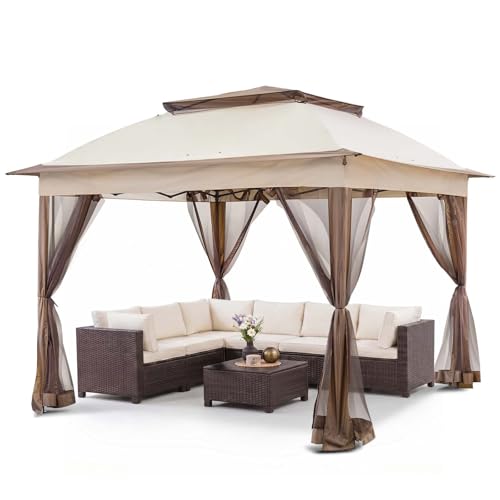
Gazebos: Complete Buying Guide for Outdoor Shade & Style
Transform your backyard into a comfortable, shaded retreat. Learn how to choose the right gazebo by understanding materials, sizes, styles, and anchoring requirements — so you can invest with confidence.
Explore Gazebo TypesWhy a Gazebo? A gazebo is more than just shade — it defines an outdoor room. Whether you want a quiet reading corner, a dining area protected from the sun, or a focal point for entertaining, the right gazebo adds comfort, privacy, and architectural interest to your garden or patio. This guide walks you through every decision point so you can choose a structure that fits your space, climate, and lifestyle.
Types of Gazebos: Which Style Suits Your Space?
Gazebos come in several configurations, each with distinct advantages. Understanding these categories helps you narrow down the right structure for your backyard.
Pop-Up Canopy Gazebos
Lightweight and portable, pop-up gazebos are ideal for temporary shade during parties or market days. They set up in minutes and store easily. However, they are not designed for permanent outdoor use and should be taken down in strong winds or heavy rain.
Soft-Top Gazebos
Featuring a fabric canopy over a metal or wooden frame, soft-top gazebos offer a balance of portability and semi-permanent use. High-grade fabric can resist fading and mildew, making them a solid choice for seasonal setups on decks or patios.
Hardtop Gazebos
With a rigid roof made from polycarbonate, steel, or aluminum, hardtop gazebos provide year-round protection from sun, rain, and snow. They are heavy-duty structures that require proper anchoring and are best suited for permanent installation in gardens or patios.
Wooden Gazebos
Classic and timeless, wooden gazebos (often made from cedar or pine) bring natural beauty and excellent insulation. They require regular sealing and maintenance but reward you with a durable, long-term investment that ages gracefully in any landscape.
Screen House Gazebos
Enclosed with mesh netting, screen house gazebos protect you from mosquitoes and other insects while allowing airflow. They are perfect for dining areas or relaxation zones in regions with heavy bug activity.
Jacuzzi & Spa Gazebos
Designed to shelter hot tubs and spas, these gazebos combine privacy, ventilation, and weather protection. They often feature louvered walls or open sides to manage steam and humidity effectively.
Materials Matter: Durability & Maintenance
The frame and roof material determine how long your gazebo lasts and how much upkeep it needs. Here is a practical comparison.
| Material | Durability | Maintenance | Best For |
|---|---|---|---|
| Aluminum | High — rust-proof finish available | Low — occasional cleaning | Coastal areas, humid climates, low-maintenance lifestyles |
| Steel | Very high — heavy-duty construction | Moderate — check for rust, touch up paint | Windy regions, permanent installations |
| Wood (Cedar/Pine) | High — natural rot resistance when sealed | Moderate to high — annual sealing recommended | Traditional gardens, natural aesthetics |
| Polycarbonate Roof | High — UV-resistant and impact-resistant | Low — rinse with water | Year-round use, areas with snow or hail |
| Fabric Canopy | Moderate — depends on fabric quality | Moderate — clean and store seasonally | Temporary setups, seasonal shade |
Choosing the Right Size for Your Backyard
Size affects both function and comfort. Use this guide to match gazebo dimensions to your intended use.
- Small (8x8 to 10x10 feet): Ideal for a cozy reading nook, a two-person seating area, or a small spa. Fits well in compact gardens and balconies.
- Medium (10x12 to 12x12 feet): Comfortably accommodates a dining set for four to six people. A popular choice for family backyards.
- Large (12x14 to 14x16 feet): Suited for entertaining, outdoor kitchens, or lounge seating for six to eight guests. Requires a spacious patio or lawn.
- Extra-Large (16x20 feet and above): Commercial-grade or luxury residential use. Can house full dining sets, bars, or multiple conversation zones.
Always leave at least two feet of clearance around the gazebo for airflow and easy movement. If you plan to place it on a deck or patio, verify that the surface can support the structure's weight — especially for hardtop and wooden models.
Key Features to Look For
Beyond the basics, these features significantly affect usability and comfort.
- Ventilation: Roof vents or louvered panels allow hot air to escape, keeping the interior cooler on summer days.
- Anchoring system: Ground stakes, expansion bolts, or weighted bases are essential for stability. Heavy-duty anchoring is non-negotiable in windy areas.
- Mosquito netting: Removable mesh screens add comfort without blocking airflow — a must-have in insect-prone regions.
- Curtains or privacy panels: Add shade, privacy, and a touch of elegance. Look for UV-resistant, washable fabrics.
- Roof material: Polycarbonate blocks UV rays while letting light through; steel offers maximum shade and security; fabric is lightweight and replaceable.
- Assembly requirements: Some models require two or more people and several hours to assemble. Check whether the manufacturer offers installation services.
Ready to Find Your Perfect Gazebo?
Browse our curated selection of gazebos across every tier — from entry-level pop-up canopies to luxury wooden structures. Each option is evaluated for durability, ease of assembly, and long-term value.
View Recommended GazebosPlacement & Setup Tips
Proper placement maximizes comfort and extends the life of your gazebo.
- Consider sun path: Position the gazebo where it receives morning shade or afternoon relief, depending on how you plan to use it. A location near trees can provide natural cooling.
- Check ground stability: A level, solid surface (concrete, decking, or compacted gravel) is essential. Soft or uneven ground may require a reinforced base or footings.
- Respect wind corridors: Avoid placing a gazebo in a spot prone to strong gusts. If wind is unavoidable, choose a heavy-duty model with reinforced anchoring.
- Plan for drainage: Ensure water can drain away from the gazebo's footprint to prevent pooling and foundation damage.
- Mind local regulations: Check setback requirements and permit rules before installation — especially for permanent structures.
Care & Maintenance for Longevity
A well-maintained gazebo can last for many seasons. Follow these practices to protect your investment.
- Clean regularly: Rinse the roof and frame with a mild detergent solution. Avoid abrasive cleaners that can scratch polycarbonate or strip paint.
- Inspect anchoring: Check stakes, bolts, and tie-downs at the start of each season. Tighten or replace as needed.
- Treat wood annually: Apply a weather-resistant sealant to wooden gazebos once a year to prevent rot and insect damage.
- Store fabric canopies: Remove and store fabric tops during winter or extreme weather to prevent cracking and fading.
- Check for rust: Touch up any scratches on metal frames with rust-proof paint to maintain the protective finish.
For more detailed guidance on protecting outdoor structures and furniture, explore our resources on weatherproofing and outdoor care.
Frequently Asked Questions
What is the best material for a gazebo?
The best material depends on your climate and maintenance preferences. Wood offers a classic, natural look and good insulation but requires regular sealing. Metal — particularly aluminum or steel — provides excellent durability and low maintenance. High-grade steel and rust-proof finishes are ideal for long-term outdoor use.
Do I need a permit to install a gazebo?
Permit requirements vary by local municipality. Smaller pop-up or temporary gazebos typically do not require permits, while permanent structures often do. Always check with your local building authority before installation to ensure compliance with zoning and safety regulations.
How do I anchor a gazebo for stability?
Most gazebos come with anchoring hardware such as ground stakes or bolts. For soft surfaces, use heavy-duty ground stakes. For hard surfaces like concrete or decking, use expansion bolts. In windy areas, consider additional tie-downs or weighted bases to prevent uplift.
What size gazebo do I need?
Size depends on intended use and available space. A small 8x8-foot gazebo works for two to four people as a reading nook. Mid-range 10x12-foot models comfortably seat four to six for dining. For entertaining larger groups, consider 12x14-foot or larger structures. Always leave clearance around the gazebo for airflow and access.
Can a gazebo stay up year-round?
Permanent hardtop gazebos made from metal or wood are designed for year-round use, provided they are properly anchored and maintained. Pop-up canopies and fabric-roof gazebos should be taken down during extreme weather or winter months to prevent damage. Check the manufacturer's guidelines for seasonal recommendations.
Related Outdoor Living Guides
Explore more ways to enhance your backyard:
- Patio umbrellas — portable shade solutions for dining and lounging areas
- Pergolas — open-structure shade with a distinctive architectural look
- Canopies — versatile coverage for patios and events
- Retractable awnings — adjustable shade attached to your home
- Outdoor lighting — illuminate your gazebo for evening enjoyment
- Outdoor rugs — define the floor of your gazebo space
- Patio sofas — comfortable seating to pair with your gazebo
- Fire pits — add warmth and ambiance near your gazebo