Rain Chains: Complete Buying Guide for Garden & Outdoor Decor
Transform your downspout into a decorative water feature. Learn about rain chain types, materials, installation, and how to choose the perfect one for your home.
What Are Rain Chains?
Rain chains are decorative alternatives to traditional downspouts. Originating in Japan where they are known as kusari-doi, these chains guide rainwater from your roof gutter to the ground or a collection basin in a visually appealing way. Instead of water rushing through a closed pipe, it cascades down the chain in a gentle, mesmerizing flow that turns a functional drainage system into an attractive water feature.
Beyond their aesthetic appeal, rain chains offer practical benefits. They reduce splash-back near your foundation, help prevent soil erosion by directing water to a specific spot, and create a soothing sound as rain droplets travel down the chain. Homeowners looking to enhance their garden and decor often pair rain chains with rain barrels for a complete water-harvesting system.
Whether you are upgrading an existing downspout or designing a new landscape drainage plan, a rain chain is a simple yet impactful addition that combines form and function. They work beautifully alongside garden ponds and other water features, creating a cohesive outdoor environment.
Types of Rain Chains
Rain chains come in several distinct styles, each with its own character and flow pattern. Understanding these types will help you select the one that best matches your home's architecture and personal taste.
Link Chains
Link-style chains are the simplest and most traditional design. They consist of a series of interlocking metal loops that allow water to trickle down smoothly. Link chains are an essential tier option that suits almost any home style, from traditional to modern. Their open structure makes them easy to clean and maintain, and they perform well in light to moderate rainfall.
Cup Chains
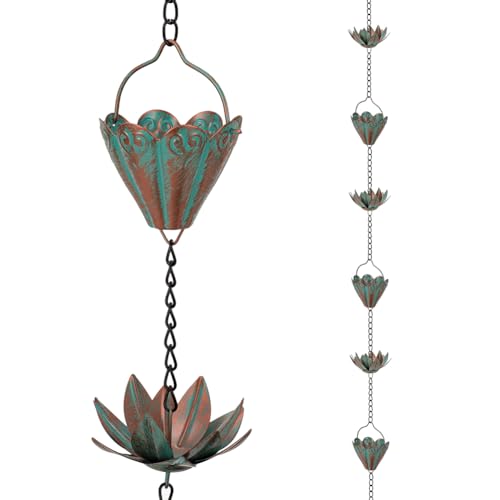
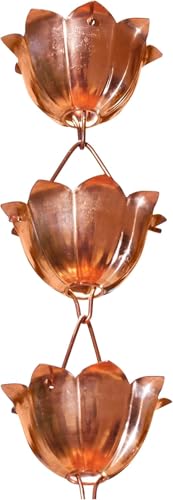
Cup chains feature a series of small cups or bowls connected by short lengths of chain. Water fills each cup and spills into the next, creating a delightful cascading effect. These are a mid-range choice popular for their visual charm and the gentle sound they produce. Cup chains are especially effective in regions with moderate rainfall and add a decorative touch to any porch and patio area.
Funnel Chains
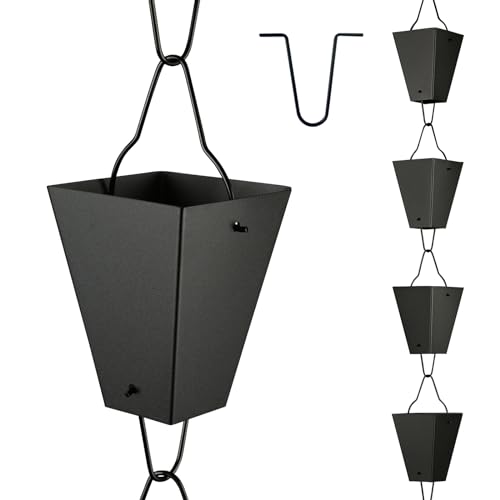
Funnel chains use wider, funnel-shaped elements to capture and direct more water. They are a high-end tier solution for areas that receive heavier downpours, as their larger surface area handles greater water volume. Funnel chains make a bold design statement and are often chosen for homes with prominent rooflines or as a focal point in a landscaped garden.
Decorative & Sculptural Chains
For homeowners who want their rain chain to serve as a piece of art, sculptural designs feature shapes such as leaves, flowers, fish, or geometric forms. These top-tier options are as much about aesthetics as function and can elevate the look of any outdoor space. They pair beautifully with other outdoor lighting to create a dramatic evening scene during rain.
Materials: Which Is Right for You?
The material of your rain chain determines its durability, appearance, and how it ages over time. Here is a breakdown of the most common options:
Copper
Copper is the gold standard for rain chains. It is a premium materials choice that develops a beautiful patina over time, shifting from bright metallic to a rich bronze and eventually a soft green. Copper is naturally resistant to rust and corrosion, making it a long-term investment that will outlast many other materials. It is ideal for homeowners who value craftsmanship and timeless appeal.
Aluminum
Aluminum rain chains are lightweight and resistant to rust. They are a mid-tier option that offers good value for its class. While aluminum is not as heavy as copper, modern powder-coated finishes can make it durable and visually striking. It is an excellent choice for those seeking a modern look without the weight of traditional metals.
Galvanized Steel
Galvanized steel is heavy-duty and built to withstand harsh weather. It has a rugged, industrial aesthetic and is a solid choice for the tier. The zinc coating protects against rust, though over time it may develop a weathered appearance that many find charming. It is a good match for rustic or farmhouse-style homes.
Stainless Steel
Stainless steel offers a sleek, contemporary look with excellent corrosion resistance. It is a professional-grade option that performs well in coastal or humid climates where salt and moisture are concerns. Its clean lines make it a favorite for modern architecture and minimalist porch decor.
Brass & Other Metals
Brass and other specialty metals offer unique colors and finishes. These are often luxury or flagship tier choices for homeowners seeking a distinctive look. They require occasional polishing to maintain their shine but reward you with a warm, elegant appearance.
When choosing a material, consider your local climate. In areas with frequent rain, heavier materials like copper or stainless steel are preferable. For drier climates, lighter aluminum chains will perform perfectly well. Pairing your rain chain with privacy hedges or other garden elements can create a cohesive, well-designed outdoor space.
Installation Essentials
Installing a rain chain is a straightforward DIY project that most homeowners can complete in under an hour. Follow these steps for a successful installation:
- Remove the existing downspout: Detach the downspout from the gutter outlet. You may need to loosen screws or cut through sealant.
- Attach the hanger: Most rain chains come with a V-shaped hanger or a gutter clip. Secure this to the gutter outlet so the chain hangs centered beneath it.
- Hang the chain: Connect the top of the rain chain to the hanger. Ensure it hangs straight and reaches the ground or your chosen basin.
- Add a basin or splash block: Place a decorative basin, rain barrel, or splash block at the base to catch water and prevent erosion.
- Test the flow: Run water through the gutter to check the chain's alignment and flow pattern. Adjust as needed.
For homes with a porch and patio area, consider routing the rain chain to a spot where the water can be appreciated, such as near a seating area or a garden bed. This turns a functional necessity into a pleasant feature.
Maintenance & Care
Rain chains require minimal maintenance, but a little care will keep them looking their best and functioning properly for years.
Regular Cleaning
Inspect your rain chain seasonally and remove any debris such as leaves or twigs that may have accumulated. A gentle rinse with a garden hose is usually sufficient. For copper chains, avoid abrasive cleaners that can strip the patina.
Winter Care
In freezing climates, ice can build up on the chain and cause damage. If you live in an area with harsh winters, consider removing the rain chain before the first freeze and reinstalling it in spring. Store it indoors in a dry place.
Checking Connections
Periodically check the hanger and any connecting links for wear. Tighten or replace components as needed to ensure the chain remains securely attached during heavy storms.
For more outdoor care tips, explore our outdoor care section, where you will find guides on weatherproofing and seasonal maintenance for all your outdoor investments.
How to Choose the Perfect Rain Chain
Selecting the right rain chain involves balancing aesthetics, function, and your home's specific needs. Consider these factors:
Match Your Home's Style
A copper cup chain suits a traditional cottage, while a stainless steel link chain complements a modern home. For rustic settings, galvanized steel funnel chains look right at home. Your rain chain should feel like a natural extension of your home's architecture.
Consider Rainfall Volume
If you live in an area with heavy rain, choose a funnel or cup chain that can handle greater water volume. Link chains are better suited to lighter rainfall or as decorative accents on secondary downspouts.
Think About Placement
Where will the water go? Position your rain chain so it drains into a garden bed, a rain barrel, or a decorative basin. Avoid directing water toward your foundation or a paved walkway where it could cause pooling.
Set Your Tier Expectations
Entry-level chains are typically simpler link designs in aluminum. Mid-range options include cup chains and powder-coated finishes. High-end and luxury tiers feature copper, brass, and sculptural designs that serve as statement pieces. Choose the tier that aligns with your long-term vision for your outdoor space.
If you are also considering other water features, our guide to garden ponds offers complementary ideas for creating a serene outdoor retreat.
Frequently Asked Questions
Do rain chains work in heavy rain?
Yes, but performance depends on the type. Funnel and cup chains handle heavier volumes better than simple link chains. In areas with very intense storms, a rain chain may not keep up with a traditional downspout, so consider using one on a secondary gutter or pairing it with a backup drainage solution.
Can I install a rain chain on any gutter?
Most standard gutters can accommodate a rain chain with the right hanger. You simply remove the existing downspout and attach the chain to the gutter outlet. Some gutters may require an adapter or a minor modification.
How long should a rain chain be?
The chain should reach from the gutter to the ground or to the top of your basin. Measure the distance and choose a chain that is slightly longer so you can adjust the length. Many chains come in standard lengths and can be shortened by removing links.
Will a rain chain rust?
It depends on the material. Copper, stainless steel, and aluminum are naturally resistant to rust. Galvanized steel has a protective zinc coating. With proper care, any quality rain chain will last for many seasons.
Do rain chains attract mosquitoes?
Not if water drains properly. Standing water is the concern, so ensure the base of your rain chain drains freely into the ground or a covered basin. If you use a basin, empty it regularly or treat it to prevent mosquito breeding.
Are rain chains noisy?
Most rain chains produce a gentle, pleasant sound as water trickles down. Cup and funnel styles tend to be quieter than link chains. If you prefer a soothing ambiance, a rain chain can be a lovely addition to your porch and patio soundscape.