Patio Essentials: The Complete Guide to a Ready-to-Use Outdoor Space
Everything you actually need to furnish, shade, light, and protect your patio — organized by priority so you can build your outdoor space with confidence, one layer at a time.
START WITH THE PRIORITY PLANWhy a patio essentials checklist matters: Most homeowners buy furniture first and then realize the space still feels incomplete — no shade at midday, no light after sunset, no place to store cushions. This guide organizes every essential into five practical layers: seating, shade, surface comfort, ambiance, and care. Work through them in order and you avoid the most common and most frustrating outdoor furnishing mistakes.
What Counts as a Patio Essential?
A patio essential is any item that makes the space usable and durable — not just decorative. The distinction matters because many outdoor purchases look appealing in a showroom but fail in daily use. An essential earns its place by solving a real problem: where people sit, how they escape the sun, how the space is used after dark, and how furniture survives rain, pollen, and seasonal storage.
Think of your patio as five functional layers. Each layer supports the next. Seating without shade becomes unusable at midday. Shade without lighting disappears at dusk. Furniture without care items degrades faster than it should. When the layers are complete, the patio stops being a project and becomes a room.
The Five Layers of a Complete Patio
Seating & Dining
The functional core. A conversation set, dining set, or both, depending on how you entertain. This is the layer you buy first and the one that defines the footprint of everything else.
Shade & Shelter
An umbrella, pergola, or awning that makes the patio usable during peak sun and light rain. Without shade, seating is limited to early morning and late afternoon.
Surface & Comfort
Outdoor rugs, cushions, ottomans, and side tables. These pieces define zones, soften hard surfaces, and turn a furniture arrangement into a comfortable room.
Ambiance & Warmth
Lighting, a fire pit or patio heater, and simple decor. This is the layer that extends usable hours into the evening and gives the space its personality.
Care & Protection
Covers, cushion storage, cleaners, and sealants. The least glamorous layer but the one that determines how many seasons your investment survives intact.
A Priority Plan: What to Buy First
If you are furnishing a patio from scratch, buying everything at once is rarely the best approach. A staged plan lets you live with each layer, learn how you actually use the space, and avoid duplicate purchases. The sequence below reflects how most homeowners naturally settle into an outdoor room.
- Stage 1 — Seating: Choose your primary seating based on how you entertain. If meals are the focus, a patio dining set anchors the space. If conversation and lounging dominate, a conversation set is the better core. Small patios often work best with a compact two-chair-and-table arrangement.
- Stage 2 — Shade: Add a patio umbrella or a shade structure. If your dining table has an umbrella hole, a dining set with umbrella solves seating and shade together.
- Stage 3 — Grounding: Add an outdoor rug to define the seating zone and a side table for drinks and small items.
- Stage 4 — Evenings: Layer outdoor lighting and, if you entertain into cooler months, a fire pit or patio heater.
- Stage 5 — Protection: Finish with furniture covers and a cushion storage solution.
Practical tip: tape it out first
Before buying any seating, use painter's tape to mark the footprint of the set on your patio. Leave 24–30 inches of clearance around all sides for walkways. This single step prevents the most common patio furnishing regret: a set that technically fits but leaves no room to move.
Seating Essentials: The Functional Core
Seating is the layer that determines everything else. The right choice depends less on style than on two questions: how many people gather regularly, and whether the primary activity is eating, lounging, or conversation.
Conversation Sets vs. Dining Sets
Conversation sets prioritize depth and comfort. Look for deep seats, supportive back cushions, and a low profile that encourages long, relaxed gatherings. Dining sets prioritize table height and clearance, with chairs that allow knees to fit comfortably under the table. Many households eventually own both — a dining set for meals and a smaller conversation arrangement for evening lounging.
If your space is limited, a conversation set for small spaces paired with a compact dining table is a workable combination. For larger families, a dining set for eight with umbrella handles both regular meals and entertaining without a separate shade purchase.
Seat Cushions: The Comfort Multiplier
Cushions are the single largest comfort variable in outdoor seating, and the single largest maintenance variable too. High-density foam wrapped in solution-dyed acrylic fabric resists fading and moisture far better than standard foam and polyester. Cushion thickness matters: a 4–5 inch seat cushion is comfortable for extended lounging, while thinner cushions suit occasional use.
If your set uses removable cushions, plan for a cushion storage solution from the beginning — a deck box or storage bench dramatically extends cushion life. For sets with fixed or integrated storage, look at furniture with self-storing cushions or built-in storage designs.
Specialty Seating Worth Considering
Beyond the core set, several seating pieces fill specific gaps. A patio ottoman serves as extra seating, a footrest, or a temporary side table. A rocking chair adds a quiet morning-coffee spot. A hanging egg chair creates a focal point in a corner. A glider offers gentle motion for family spaces. None of these are mandatory, but each solves a specific use case that a standard set does not.
Shade Essentials: Making the Patio Usable
Shade is the layer most often skipped and most quickly regretted. A beautifully furnished patio without shade is only comfortable for a few hours a day. The right shade solution depends on the size of the area, whether the surface is permanent, and whether wind is a factor.
Umbrellas: The Flexible Default
A patio umbrella is the most flexible shade option: it moves with the sun, stores easily, and suits both dining and lounging zones. Table umbrellas are stabilized by the table itself, making them ideal for dining sets. Freestanding cantilever umbrellas cover seating areas without a central pole, which is useful for conversation sets that have no umbrella hole.
If you are buying a dining set and want integrated shade, a dining set with umbrella or a table-and-chairs-with-umbrella combination solves both needs in one purchase. Check that the table has a properly reinforced umbrella hole and a weighted base.
Permanent Structures
For larger patios or year-round use, a patio covering such as a pergola, gazebo, or retractable awning offers broader protection. A retractable awning is ideal for attached patios because it can be extended only when needed, while a patio roof provides full-time shelter. These are significant structural decisions and should be planned with local building codes in mind.
Surface & Comfort Essentials
This layer is where a patio starts to feel like a room rather than a platform. It includes the pieces that ground the space and add comfort without adding bulk.
Outdoor Rugs
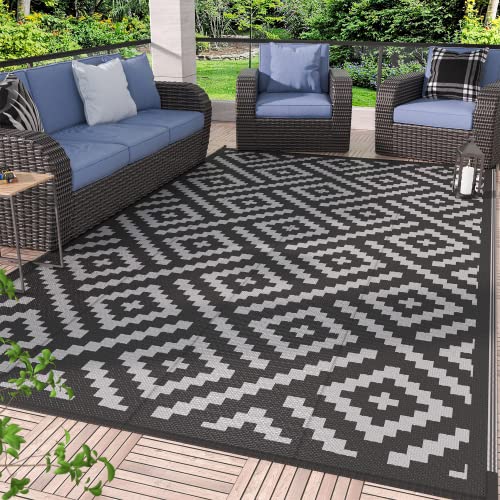
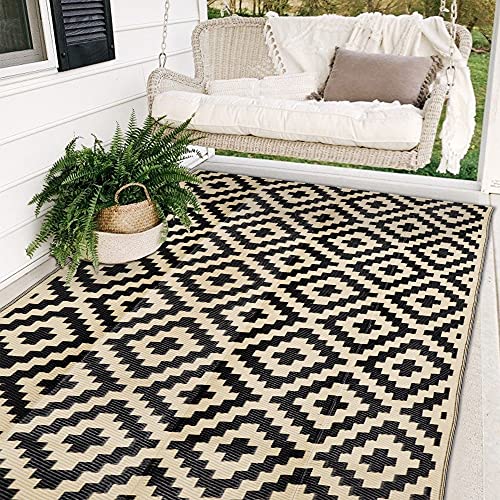
An outdoor rug defines the seating zone, reduces glare from hard surfaces, and makes bare feet comfortable. Look for polypropylene or PET rugs with UV stabilization; these resist fading and can be hosed down. Size matters: the rug should extend at least 6–12 inches beyond the front feet of all seating so the arrangement visually sits on the rug, not off its edge.
Side Tables and Surfaces
Every seat needs a surface within reach for drinks, phones, and plates. A patio end table per seating group is the practical minimum; a larger coffee table works for conversation sets. Surface height should be within 2 inches of the seat arm height for comfortable reach.
Cushions and Soft Goods
Cushions and throw pillows are the fastest way to make an outdoor set feel finished. Solution-dyed acrylic covers resist fading, and quick-dry foam cores drain after rain. Storage for these items is not optional if you want them to last — see the care layer below.
Ambiance & Warmth Essentials
Ambiance is what makes a patio feel inviting after sunset. It is also the layer that extends the usable season in cooler climates.
Lighting Layers
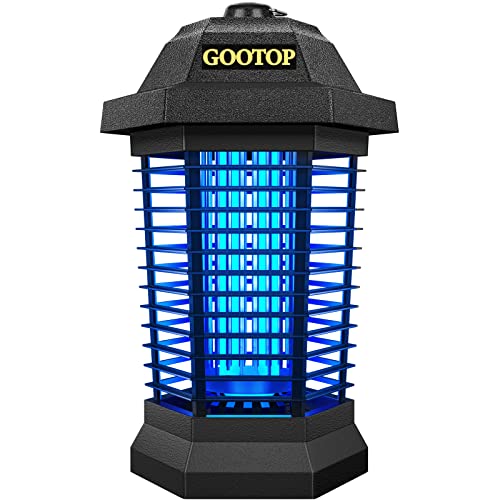
Think in three layers: ambient light for general visibility, task light for dining surfaces, and accent light for mood. Outdoor lighting can include string lights, path lights, and lanterns. Solar options reduce wiring complexity but may provide less consistent brightness during cloudy periods. For covered patios, hardwired fixtures offer the most reliable output.
Fire Pits and Heaters
A patio fire pit serves as both heat source and social focal point. Wood-burning models provide the most atmosphere but require cleanup and clearance from structures. A gas fire pit offers cleaner operation and easier ignition. For dining areas, a dining set with integrated fire pit table combines dining and warmth in one footprint.
For patios where open flame is not permitted, a patio heater provides reliable warmth without combustion concerns beyond the unit itself. Always follow manufacturer clearance recommendations and local regulations.
Care & Protection Essentials
This is the layer that protects everything you have already invested in. It is the least discussed and the most directly tied to furniture lifespan.
Covers and Storage
A patio furniture cover is the single highest-impact care purchase. Breathable, water-resistant covers prevent rain, pollen, and UV damage while allowing moisture to escape. Cushion storage — a deck box, storage bench, or dedicated cushion storage solution — keeps cushions dry and extends their life significantly.
Cleaning and Seasonal Maintenance
Regular cleaning prevents dirt from becoming embedded and removes pollen that can stain fabric. Mild soap and water handle most routine cleaning; specific cleaners are needed for mold, rust, and hard water deposits. Seasonal maintenance — tightening hardware, treating wood, and checking for rust — prevents small issues from becoming structural ones.
For furniture that stays outside year-round, winter-rated patio furniture constructed from powder-coated aluminum, high-density polyethylene, or teak will weather far better than untreated wood or standard steel. Even winter-rated pieces benefit from covers during the harshest months.
Quick Reference: Essential by Category
The table below summarizes the essential items by category, with a recommended tier for each. Use it as a shopping reference after you have decided on your primary seating and shade approach.
| Category | Essential Item | Recommended Tier | Best For |
|---|---|---|---|
| Seating | Conversation set or dining set | Essential tier | Defining the space's primary function |
| Shade | Umbrella or shade structure | Essential tier | Midday use and rain protection |
| Comfort | Outdoor rug | Balanced tier | Defining zones and softening hard surfaces |
| Comfort | Side tables | Balanced tier | Surface space for drinks and small items |
| Ambiance | Outdoor lighting | Balanced tier | Evening usability and mood |
| Warmth | Fire pit or patio heater | High-end tier | Cool-season entertaining |
| Protection | Furniture covers | High-end tier | Long-term durability |
| Protection | Cushion storage | High-end tier | Cushion lifespan and convenience |
Patio Essentials for Small Spaces
Small patios and balconies require a different priority order. With limited square footage, multi-functional pieces outperform specialized ones, and vertical storage frees up floor space.
- Start with a compact set: A two-chair-and-table set or a conversation set with swivel chairs maximizes flexibility without dominating the space.
- Choose foldable or stackable shade: A freestanding umbrella that collapses is more practical than a fixed structure on a small balcony.
- Use a rug to define one zone: A single rug clarifies the seating area and makes the space feel intentional.
- Prioritize storage: A storage bench or furniture with built-in storage keeps cushions and covers out of the way.
- Add light, not clutter: A single string light run or a few solar lanterns provide ambiance without consuming floor space.
The Smartest Buying Order
If you buy only one item at a time, the sequence below minimizes wasted purchases. Each step builds on the previous one and can be paused as your needs become clearer.
- Measure the space and mark furniture footprints with tape.
- Buy the primary seating set — conversation or dining, based on how you entertain.
- Solve shade with an umbrella or structure that fits the chosen seating arrangement.
- Add side tables so every seat has a surface within reach.
- Ground the arrangement with an outdoor rug sized to the seating footprint.
- Layer lighting for evening use.
- Add warmth with a fire pit or heater if cool evenings are common in your area.
- Finish with protection — covers and cushion storage — before the first rainy season.
For related buying advice across the wider outdoor category, the patio furniture hub covers styles, materials, and set configurations. If you are specifically comparing lounge and seating options, the patio living section expands on how the pieces in this guide fit together.
Frequently Asked Questions
What are the absolute must-have patio essentials for a new outdoor space?
Start with seating (a conversation set or dining set), shade (an umbrella or pergola), and lighting. Then add surface comfort like an outdoor rug, ambiance pieces like a fire pit, and protective covers for long-term care.
Do I need both a dining set and a conversation set?
Only if your space and lifestyle call for it. If you entertain often, a dining set is essential. For lounging and conversation, a conversation set is better. Small patios often do well with one flexible set plus lightweight extras.
What is the most overlooked patio essential?
Protective covers and cushion storage are the most overlooked essentials. They directly extend the lifespan of your furniture and keep cushions dry, clean, and ready to use.
How do I choose the right size patio set for my space?
Measure the usable area and leave at least 24 to 30 inches of walkway clearance around the furniture. Tape out the footprint on your patio before buying. Small spaces favor bistro sets, loveseats, and two-chair arrangements.
Are outdoor rugs and lighting really necessary?
They are not strictly necessary, but they dramatically improve comfort, safety, and visual cohesion. An outdoor rug defines the seating zone, while layered lighting makes the space usable after sunset.