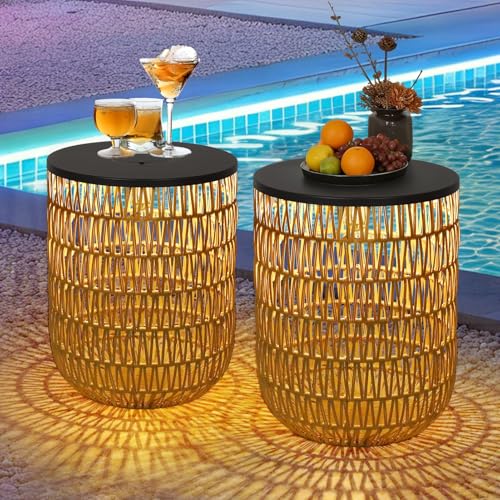
Patio End Tables: The Complete Buying Guide
Everything you need to choose the right side table for your outdoor seating area — materials, sizing, styles, and practical features that make your patio more functional and beautiful.
Why patio end tables matter more than you think. They are the quiet workhorses of outdoor living. A well-placed end table holds your drink, keeps your book dry, and anchors a seating arrangement. This guide walks you through every decision — from material and size to style matching — so you can pick with confidence. Whether you are furnishing a compact balcony or a sprawling deck, the right end table completes the picture.
What to Look for in a Patio End Table
Before browsing styles, ground yourself in the practical criteria. A patio end table lives outdoors year-round in most climates, so durability and weather resistance come first. Then comes proportion — a table that looks right next to your seating. Finally, think about how you actually use the space: do you need a surface for drinks and snacks, a spot for a lantern, or a small storage piece?
- Weather resistance: Look for rust-proof hardware, UV-resistant finishes, and materials rated for outdoor use. Powder-coated aluminum, high-density polyethylene, and teak are proven performers.
- Proportion and height: The tabletop should sit close to the armrest or seat height of the adjacent chair or sofa. Most patio end tables fall between 16 and 22 inches tall.
- Top surface size: A top of roughly 16 to 20 inches in diameter or square is versatile. Larger tops suit snack service; smaller tops suit drinks and decor.
- Stability: A weighted base or splayed legs help prevent tipping in wind. Check the footprint relative to the top — a wide base is safer on windy decks.
- Weight and portability: Heavy tables stay put; lighter resin or aluminum tables are easier to move when rearranging or storing for winter.
- Finish and maintenance: Smooth powder-coated finishes wipe clean easily. Natural wood needs periodic oiling or sealing to stay in shape.
Quick tip: Bring a tape measure and a photo of your seating area when shopping. Knowing your chair's seat height and armrest height makes it much easier to judge whether a table will feel comfortable in use.
Materials Compared: Which End Table Holds Up Best?
Material choice drives durability, maintenance needs, and visual style. Here is how the main categories stack up for outdoor end tables.
Powder-Coated Aluminum
Lightweight yet sturdy, aluminum resists rust and handles moisture well. Powder coating adds color and scratch resistance. A strong all-around choice for most climates.
Mid-range to PremiumHigh-Density Polyethylene (HDPE)
Resin and poly lumber tables shrug off rain, sun, and salt air without fading. They are heavier than aluminum and hold up in windy spots. Low maintenance and long-lasting.
Essential to Mid-rangeTeak and Weather-Treated Wood
Teak develops a handsome silver patina and naturally resists rot and insects. Acacia and eucalyptus offer similar looks at a more accessible position in the market. Both benefit from occasional oiling.
Mid-range to LuxuryWrought Iron and Steel
Heavy and stable, metal frames bring a classic or industrial look. Ensure the finish is rust-proof and the welds are clean. Best for covered patios or dry climates to maximize lifespan.
Essential to Mid-rangeConcrete and Stone Composite
Very stable and visually substantial, these tables resist wind and stay cool in shade. They are heavy to move. Ideal as a permanent anchor piece on a patio or deck.
Premium to LuxuryWicker and Rattan (Synthetic)
All-weather wicker over an aluminum frame delivers a warm, textured look with solid durability. Check that the weave is tight and UV-stabilized to prevent cracking.
Mid-rangeSizing and Placement: Getting the Proportion Right
An end table should feel like a natural extension of the seating, not an afterthought. Use these guidelines to choose a size that works in practice.
- Height: Aim for a tabletop within 1 to 2 inches of the chair's armrest height. This keeps drinks and plates within easy reach without stretching.
- Top size: For a single chair, a 16 to 18 inch round or square top is plenty. Between a sofa and a chair, a 20 inch top offers more utility.
- Footprint: Leave at least 12 inches of clear space around the table so legs and feet do not bump it when getting up.
- Pairs and symmetry: In a conversation arrangement, matching tables on either side of a sofa create balance. A single table between two chairs is equally effective and space-efficient.
- Nesting and stacking: If space is tight, nesting tables let you expand the surface when guests arrive and tuck them away afterward.
Style Matching: End Tables That Belong
End tables can either match your existing set exactly or intentionally contrast to add interest. Both approaches work — the key is consistency in scale and finish quality.
- Coordinated sets: The safest route. Look for a table sold alongside your sofa or chair collection so proportions and finishes align.
- Mixed materials: A wood-top table beside an aluminum-frame sofa adds warmth without clashing. Keep one element — like the metal finish — consistent.
- Modern and minimalist: Slim, geometric frames in matte black or graphite suit contemporary patios and small balconies.
- Coastal and relaxed: White or natural-finish tables with slatted tops fit breezy, beach-inspired spaces.
- Rustic and traditional: Heavier wood or iron tables with visible grain or scrollwork pair well with classic and farmhouse settings.
Feature Checklist: What Separates Good from Great
Beyond looks, a handful of practical details make an end table genuinely useful outdoors.
| Feature | Why It Matters | Best For |
|---|---|---|
| Slatted or perforated top | Lets rainwater drain instead of pooling | Rainy climates, uncovered patios |
| Lower shelf | Extra storage for books, towels, or a lantern | Small spaces, reading nooks |
| Adjustable leveling feet | Keeps the table stable on uneven deck boards | Wood decks, brick patios |
| Umbrella hole | Allows a small shade umbrella to pass through | Sunny, exposed seating areas |
| Nesting design | Stores compactly and expands for guests | Balconies, compact patios |
| Weatherproof cover included | Protects finish during off-season storage | All climates |
Maintenance: Keeping End Tables Looking Sharp
Outdoor tables take a beating from sun, rain, and pollen. A simple routine keeps them in shape for years.
- Weekly: Wipe the top with a damp cloth to remove pollen and spills before they set.
- Monthly: Rinse the full piece, including the base and joints, to clear grit that can dull finishes.
- Seasonally: Apply a UV protectant to resin and plastic pieces. Oil teak and acacia once or twice a year. Check bolts and tighten as needed.
- Before winter: Cover wood and painted metal tables or move them to a shed. Aluminum and HDPE can usually stay out, but a cover extends their finish life.
Care insight: A table that stays under a patio roof or pergola will outlast one fully exposed to sun and rain, regardless of material. Position matters as much as construction quality.
Common Mistakes to Avoid
- Buying before measuring: A table that is too tall or too wide will feel awkward and block walkways. Measure your chair height and available floor space first.
- Ignoring wind: Lightweight tables without weighted bases tip over in strong gusts. On exposed decks, favor heavier bases or anchored designs.
- Overmatching everything: An exact-match table can make a space feel like a showroom. A complementary finish often looks better.
- Skipping the drain detail: Solid tabletops collect water. Slatted or perforated tops are a practical upgrade for uncovered areas.
- Forgetting storage: If you store cushions and small items, a table with a lower shelf or a lidded design earns its place.
Frequently Asked Questions
Final Thoughts: Choosing With Confidence
A patio end table is a small piece with an outsized role. It keeps the seating area functional, anchors the layout visually, and takes daily wear without complaint if you choose well. Focus on the fundamentals — weather-resistant materials, sensible proportions, and a finish that fits your space — and the right table will serve you season after season. Start with your seating height and layout, pick a durable material, and let the style follow naturally.