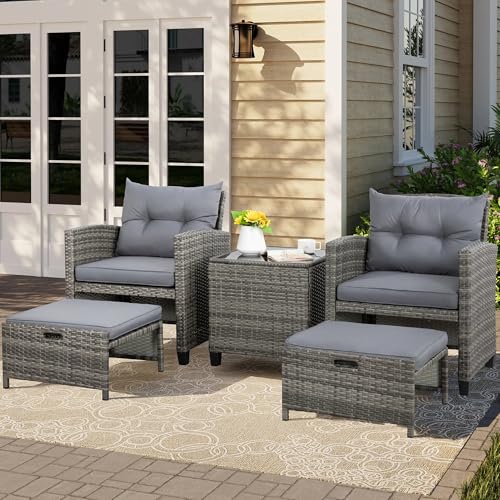
Patio Furniture: The Complete Buying Guide
Everything you need to research before choosing outdoor seating, dining sets, materials, and accessories for your backyard retreat.
START THE GUIDEWhy Patio Furniture Deserves Careful Research
Patio furniture is one of the few home purchases that lives outdoors year-round, facing sun, rain, wind, and temperature swings. Unlike indoor furniture, every material choice, joint, and finish is tested by the elements. That is why researching before you buy is not optional — it is the difference between a set that lasts a single season and one that serves your family for many years.
This guide is written for homeowners who already know roughly what they want — a conversation set, a dining set, or a full outdoor living arrangement — but still need clarity on materials, sizing, configuration, and care. We will walk through the major furniture categories, explain how to match a set to your space, compare material tiers without focusing on numeric figures, and share practical tips that help you buy with confidence.
By the end, you will understand which furniture categories fit your lifestyle, how to evaluate build quality, and how to plan a layout that actually works. From there, you can explore specific product collections through the recommended sections on this page.
Understanding the Main Patio Furniture Categories
Most outdoor furniture falls into a handful of functional categories. Knowing which category matches your routine — casual lounging, family dining, or entertaining — is the first real decision you will make.
Conversation Sets
Conversation sets are built around face-to-face seating. They typically include a sofa or loveseat, two chairs, and a coffee table, arranged in a U-shape or L-shape. They are ideal for smaller patios and decks where the goal is relaxed socializing rather than formal dining. If your outdoor space is compact, explore patio conversation sets for small spaces to find configurations that maximize seating without crowding the area.
For households that want added motion and comfort, conversation sets with rocker chairs and sets with swivel chairs offer more dynamic seating. Families with pets or young children often prefer conversation sets without cushions because they are easier to wipe down and less prone to moisture buildup. Browse the full patio conversation sets collection to compare layouts side by side.
Dining Sets
Dining sets anchor outdoor meals and entertaining. Sizing is the critical variable: a four-person set suits couples and small families, while six- and eight-person sets handle larger gatherings. If you want shade built into the setup, look at a patio dining set for 4 with umbrella or a set for 6 with umbrella; larger households can step up to a dining set for 8 with umbrella.
Bench-style seating is a smart choice for tight footprints or a more communal feel — see the dining set with bench and chairs option. For evening warmth, a dining set with fire pit table combines meals and ambiance in one footprint. You can compare the full range in the patio dining sets category.
Lounge and Relaxation Pieces
Beyond seating groups, dedicated relaxation pieces shape how you actually use your patio. A patio lounger or lounge chair supports sunbathing and reading, while a patio daybed creates a resort-like focal point. Rocking chairs and gliders add gentle motion — the patio rocking chairs and patio glider categories cover both. For a statement piece, an patio egg chair delivers both comfort and visual interest.
Tables, Storage, and Support Pieces
The supporting pieces often determine how usable a set feels day to day. Patio end tables keep drinks and books within reach, while a patio ottoman doubles as extra seating or a footrest. Cushion management is another practical concern — patio cushion storage solutions and furniture with built-in storage for cushions keep fabric dry and extend its lifespan.
Comparing Patio Furniture Materials
Material choice drives durability, maintenance routine, and the overall look of your outdoor space. The table below compares the most common frame and surface materials by their practical characteristics rather than by numeric figures.
| Material | Best For | Maintenance Level | Market Tier Typical |
|---|---|---|---|
| Powder-coated aluminum | Lightweight, rust-resistant frames | Low — wipe down seasonally | Mid-range to premium |
| High-grade steel | Heavy-duty, structured frames | Moderate — check for rust at joints | Entry-level to mid-range |
| Solid wood (teak, acacia, eucalyptus) | Warm, natural aesthetic; long-term investment | Moderate — oil or seal annually | Mid-tier to luxury |
| Wicker and rattan (natural or synthetic) | Textured, coastal, or bohemian styles | Low to moderate — cover in harsh weather | Essential tier to high-end tier |
| Resin and plastic | Easy-clean, family-friendly, lightweight | Very low — rinse and store | Starter tier to balanced tier |
Frames: Aluminum, Steel, and Wood
Aluminum is the most popular frame material for modern patio furniture because it is naturally rust-resistant and light enough to rearrange easily. Powder-coated aluminum adds a protective layer that resists scratching and fading. Steel frames are heavier and often reinforce larger dining tables, but they require more attention to prevent rust at welds and joints. Wood frames — particularly teak and acacia — age gracefully and are a long-term investment when properly sealed.
Surfaces: Wicker, Resin, and Fabric
Wicker and rattan finishes bring texture and warmth, and modern synthetic versions resist UV damage far better than natural fibers. Resin and plastic are the most forgiving surfaces for households with children or pets. Cushion fabrics deserve equal scrutiny: solution-dyed acrylic and olefin resist fading and mildew better than standard polyester. If you plan to leave cushions outdoors, look for quick-dry foam cores and removable, machine-washable covers.
Sizing Your Patio Furniture to Your Space
A beautifully made set that does not fit your patio is still the wrong set. Before browsing configurations, measure your space and plan the walkways. A general rule of thumb is to leave at least 24 to 30 inches of clearance between furniture pieces and walls or railings so people can move comfortably.
Small Patios, Balconies, and Apartments
Compact spaces reward multi-functional pieces. Bistro-style setups, two-chair conversation groups, and folding or stackable chairs keep the footprint flexible. If you are working with a balcony, the patio furniture sets for apartment balconies and patio furniture for small apartment balconies collections are organized around tight dimensions. A simple two chairs and a table arrangement is often the most practical starting point.
Mid-Sized and Large Patios
Larger spaces can support distinct zones: a dining area, a conversation area, and a lounge corner. Sectionals are the backbone of many multi-zone layouts — see the patio sectional and patio sectional sofa categories. For combined dining and lounging, a sectional with dining table configuration solves the space-planning puzzle in one purchase.
Shade and Weather Protection
Shade planning belongs in the sizing conversation. A patio set with umbrella or a furniture set with umbrella bakes shade into the purchase. If you need broader coverage, explore patio covering options and patio roofs to understand structure-based alternatives. Covers protect your investment when the season ends — the patio furniture covers guide explains fit and material choices.
Cushions, Comfort, and Long-Term Care
Cushions are where comfort is won or lost, and they are also the most frequently replaced component of any patio set. Understanding cushion construction helps you choose pieces that stay supportive and look good season after season.
Look for high-density foam cores with a quick-dry layer, and covers made from solution-dyed acrylic or similar UV-stable fabrics. Zippered, removable covers make cleaning far easier. If your existing set needs a refresh, replacement cushions and seat cushions can extend the life of a solid frame. For a coordinated look, patio cushions collections cover full-set updates.
Storage matters as much as fabric quality. Cushions left out in rain or heavy dew develop mildew quickly. A dedicated cushion storage box or a set with self-storing cushions keeps fabric dry and reduces the seasonal cleaning burden.
Choosing the Right Configuration for Your Lifestyle
Configuration is about matching furniture to how you actually live, not how you imagine you might. Consider these common scenarios:
- Frequent entertainers: A dining set with umbrella plus a conversation set creates two social zones. A set with couch and swivel chairs keeps conversation fluid.
- Families with children: Cushionless or resin-based sets reduce cleaning time. A dining set with bench and umbrella hole seats more people per square foot.
- Evening ambiance seekers: Combine a patio fire pit with seating, or choose a furniture set with fire pit. The patio fire table and fireplace table guides explain the differences.
- Sun-seekers: Pair a lounge furniture arrangement with a retractable awning for adjustable shade.
- Small-space dwellers: A patio set sized for two or four people, plus a patio loveseat, covers most needs without overcrowding.
For a broader overview of how these pieces fit together, the patio living and patio seating guides provide additional context on zoning and flow.
Ready to Compare Specific Sets?
Use the recommended product section below to explore popular patio furniture options, or browse the full collections linked throughout this guide to narrow down your shortlist.
VIEW RECOMMENDED PRODUCTSFrequently Asked Questions
How do I choose between a conversation set and a dining set?
Choose based on your primary use. If most of your outdoor time involves casual drinks and conversation, a conversation set is the better fit. If you regularly host meals or want a dedicated eating surface, a dining set is more practical. Many households with enough space combine both in separate zones.
Which patio furniture material lasts longest outdoors?
Powder-coated aluminum and high-grade synthetic wicker are among the most durable and low-maintenance options. Properly sealed teak is also exceptionally long-lasting but requires annual maintenance. The best choice depends on your climate and how much upkeep you are willing to do.
Can patio furniture stay outside in winter?
Some materials, such as powder-coated aluminum and certain resin pieces, tolerate winter exposure well. Wood, steel, and cushioned pieces benefit from covers or indoor storage. The patio furniture that can be left outside in the winter guide covers material-specific guidance.
How many seats do I need for a typical patio?
A common starting point is seating for four to six people, which covers most family use and small gatherings. If you entertain frequently, prioritize a dining set that seats six or eight, supplemented by a conversation area. Measure your space first — seating capacity is only useful if the layout remains comfortable.
What should I check before buying a patio set online?
Verify the frame material and finish, cushion fabric type, assembly requirements, and warranty terms. Read the dimensions carefully and compare them to your measured space. Check whether the set includes an umbrella or fire pit if those features matter to you, and confirm the return policy before ordering.