The Complete Patio Glider Buying Guide
Everything you need to know about choosing a smooth-gliding outdoor seat that combines the comfort of a rocker with the stability of a bench.
Why a patio glider? A patio glider offers a unique blend of relaxation and practicality. Unlike a traditional rocking chair, a glider moves back and forth on a smooth track mechanism, providing a soothing motion that is gentler on your floor and safer around children and pets. Whether you are outfitting a cozy balcony or a spacious deck, understanding the key components will help you select a model that lasts for seasons to come.
Types of Patio Gliders
Patio gliders come in several configurations, each suited to different spaces and user preferences. The most common types include:
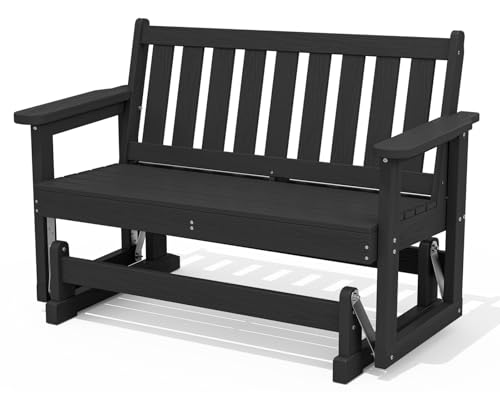
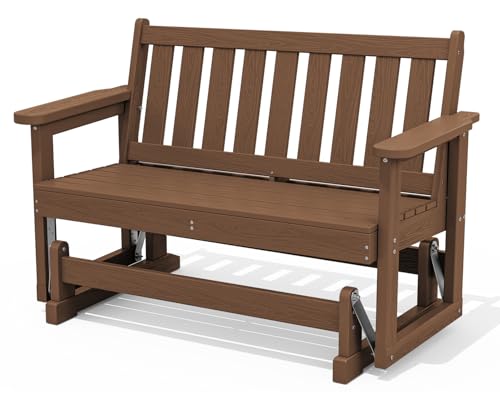
- Two-seat glider bench: The classic choice for porches and decks, offering shared seating with a synchronized glide. Ideal for couples or small families.
- Single glider chair: A compact option for solo relaxation, perfect for reading nooks or small balconies. Pairs well with a patio end table for drinks and books.
- Glider loveseat: Slightly wider than a bench, often with plush cushions and armrests, blending the feel of a patio loveseat with gliding motion.
- Glider with canopy: A premium variant that includes a sunshade, useful for open patios with limited natural shade.
If you are comparing gliders with other motion furniture, you may also want to explore patio rockers and patio rocking chairs to see which motion suits your lifestyle best.
Frame Materials: Durability and Weather Resistance
The frame is the backbone of any patio glider. The material you choose directly affects longevity, maintenance, and weight. Here is a breakdown of the most common options:
- Powder-coated steel: Heavy-duty and stable, entry-level to mid-range gliders often use steel. Look for rust-proof finishes and reinforced joints. These are solid choices for covered porches.
- Aluminum: Lightweight and naturally rust-resistant, aluminum frames are common in mid-range to premium models. They are easy to move and ideal for humid climates.
- Wood (teak, acacia, eucalyptus): Natural aesthetics with sturdy construction. High-end tier wooden gliders often feature weather-resistant coatings. Regular sealing extends their life, especially in rainy regions.
- Wicker and rattan (natural or synthetic): Offers a classic, woven look. Synthetic resin wicker is more durable outdoors and resists fading. These are often found in balanced-tier to premium gliders.
For broader material comparisons, see our guides on wood furniture care and metal vs aluminum furniture.
Understanding the Gliding Mechanism
The quality of the glide is what sets a great patio glider apart from an average one. Most gliders use one of two systems:
- Ball-bearing track system: Found in premium and high-end tier models, these offer the smoothest, quietest motion. Sealed bearings resist dirt and moisture, reducing maintenance.
- Nylon or plastic bushing system: Common in entry-level and mid-range gliders. While functional, these may require periodic lubrication and can become noisy over time.
When testing a glider, pay attention to the smoothness of the motion and any squeaks. A well-engineered mechanism should glide effortlessly without wobbling. Many top-tier gliders also include a locking mechanism to keep the seat stationary when desired.
Cushions, Fabrics, and Comfort
Comfort is paramount, and the cushion quality can make or break your gliding experience. Consider these factors:
- Foam density: High-density foam retains its shape longer. Mid-range and premium gliders typically use denser foam for better support.
- Fabric: Solution-dyed acrylic and olefin are excellent for outdoor use, resisting fading and mildew. Look for quick-dry materials if your glider will be exposed to rain.
- Removable covers: Models with zippered, washable covers are easier to maintain. For storage tips, see our patio cushion storage guide.
If you already own a glider and need replacements, browse patio furniture replacement cushions for compatible options.
Sizing and Placement for Your Space
Before purchasing, measure your patio or porch carefully. A standard two-seat glider typically requires at least 4 feet of width and 3 feet of depth to glide safely. For small spaces, a single glider chair or a two-chair and table set may be more practical. If you have a compact balcony, consider our small apartment balcony furniture recommendations.
Placement matters: position your glider away from walls or railings to allow full motion. On windy decks, a heavier frame provides stability. For sun protection, pair your glider with a patio umbrella or a retractable awning.
Maintenance and Weatherproofing
To keep your patio glider in top condition, follow these maintenance practices:
- Clean the frame regularly with mild soap and water; avoid abrasive cleaners on powder-coated finishes.
- Inspect the gliding mechanism for debris and lubricate moving parts as recommended by the manufacturer.
- Store cushions indoors or use a patio furniture cover during off-seasons.
- For wooden gliders, apply a sealant annually to prevent moisture damage.
If you plan to leave your glider outside year-round, choose models labeled as patio furniture that can be left outside in the winter.
Styling Your Glider with Other Patio Essentials
A glider is just one part of a cohesive outdoor living space. Consider pairing it with:
- A patio ottoman for footrest comfort.
- An outdoor rug to define the seating zone.
- Outdoor lighting or string lights for evening ambiance.
- A patio fire pit for warmth on cool nights.
For a complete outdoor room, explore our patio conversation sets and patio seating collections.
Patio Glider Comparison by Tier
The table below outlines typical characteristics across quality tiers. Use it to align your expectations with your needs.
| Tier | Frame Material | Glide Mechanism | Best For |
|---|---|---|---|
| Entry-level | Powder-coated steel | Nylon bushings | Occasional use, covered porches |
| Mid-range | Aluminum or synthetic wicker | Improved bushing or basic bearing | Regular use, varied climates |
| Premium | Heavy-duty aluminum or teak | Sealed ball bearings | Frequent use, exposed patios |
| Luxury | Marine-grade materials or high-end teak | Precision ball-bearing with locking | Year-round outdoor living, coastal areas |
Frequently Asked Questions
What is the difference between a patio glider and a rocking chair?
A glider moves horizontally on a track, while a rocking chair moves on curved rockers. Gliders are generally considered safer around children and pets because they do not have exposed rocker blades. They also tend to be gentler on flooring.
Can a patio glider be left outside in the rain?
It depends on the materials. Aluminum and synthetic wicker are highly weather-resistant. Steel may rust if the finish is compromised. Wood requires sealing. Always check the manufacturer's recommendations and consider a furniture cover for extended protection.
How much weight can a patio glider hold?
Most two-seat gliders support between 400 and 600 pounds, while single chairs typically hold 250 to 350 pounds. Always verify the weight capacity in the product specifications before purchasing.
Do I need to assemble a patio glider?
Many patio gliders ship partially assembled, with final assembly required (attaching legs, back, or arms). Assembly usually takes 30–60 minutes with basic tools. Some premium models offer white-glove delivery and assembly.
A patio glider is a worthwhile investment for any outdoor space, offering a unique blend of comfort and functionality. By considering frame materials, glide mechanisms, cushion quality, and space requirements, you can select a model that will provide years of smooth, relaxing motion. Explore our recommended products below to find the right glider for your patio.