Patio Loveseat: The Complete Two-Seater Buying Guide
Everything you need to know before choosing a comfortable, durable outdoor loveseat — from frame materials and cushion fabrics to sizing and long-term care.
START THE GUIDEWhy a patio loveseat deserves careful research: A loveseat is the anchor of most outdoor seating areas. It seats two comfortably, pairs naturally with lounge chairs and side tables, and works in spaces where a full-size sofa feels oversized. Because it is a long-term purchase exposed to sun, rain, and temperature swings, the frame, cushion, and fabric decisions you make now determine how well it holds up season after season. This guide walks you through each of those decisions in plain language.
What Exactly Is a Patio Loveseat?
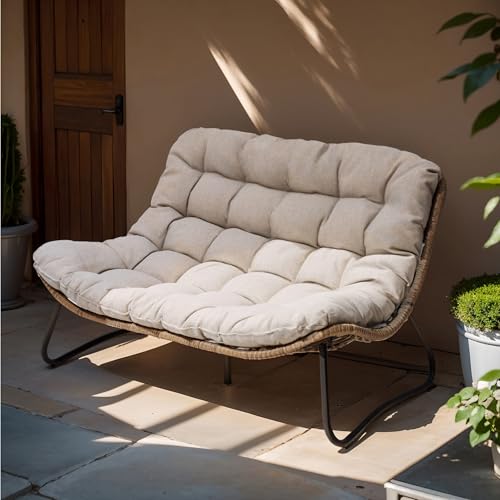
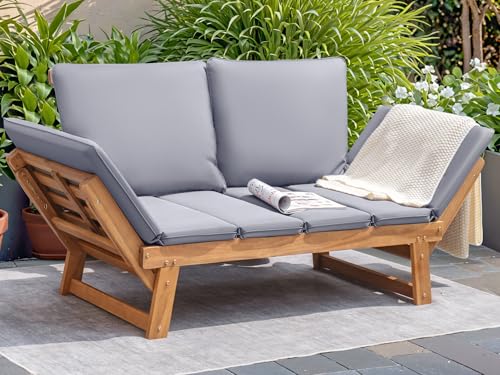
A patio loveseat is a two-seater outdoor sofa designed for decks, patios, porches, and balconies. It typically measures between 48 and 60 inches wide — noticeably narrower than a standard three-seat patio couch — which makes it a practical centerpiece for smaller footprints and a flexible companion piece in larger layouts. Most models share the visual language of indoor sofas: a backrest, seat cushions, armrests, and a supportive frame, but built with weather-ready materials.
Compared with individual patio lounge chairs, a loveseat creates a shared seating moment and visually grounds a conversation area. Compared with a full patio couch, it occupies less floor space and suits balconies or apartment terraces. If you are building a complete seating group, a loveseat is often the most efficient way to add two comfortable seats without overwhelming the area.
The Factors That Matter Most
1. Frame Material and Construction
The frame determines durability, weight, and maintenance needs. Here is how the main options compare:
| Frame Type | Best For | Strengths | Watch Out For |
|---|---|---|---|
| Powder-coated aluminum | All-around use, humid climates, balconies | Lightweight, rust-resistant, low maintenance | Lighter frames may shift in strong wind without weight |
| High-grade steel | Heavy-duty use, windy exposures | Very strong, stable, holds shape well | Requires a rust-proof finish; heavier to move |
| Natural teak | Classic and transitional designs | Dense, naturally weather-resistant, ages gracefully | Needs periodic sealing to maintain appearance |
| All-weather wicker / resin | Coastal and resort-inspired styles | Comfortable texture, UV-treated options available | Quality varies widely; check weave density |
As a rule of thumb, a powder-coated aluminum frame is the most forgiving choice for most homeowners, while high-grade steel suits exposed or windy locations. Whatever the material, inspect the joints — welded or reinforced corner construction outlasts simple bolted connections.
2. Cushion Quality and Fabric
Cushions are where comfort and longevity converge. Look for high-density foam cores wrapped in a soft layer, and prioritize solution-dyed acrylic or olefin covers that resist fading and moisture. Quick-dry foam is a smart upgrade for uncovered patios. A hidden detail to check: whether the cushion covers are removable and washable, which makes seasonal cleaning far easier.
If you plan to upgrade or replace covers later, matching patio furniture seat cushions are widely available in standard loveseat dimensions. Storing cushions when not in use extends their life, and a dedicated patio cushion storage solution keeps them dry and clean between gatherings.
3. Size and Fit
Measure twice before ordering. A typical loveseat is 48–60 inches wide, 30–36 inches deep, and 30–36 inches tall. Leave roughly 18 inches of clearance in front for legroom and 24–36 inches around the piece for walking paths. On a narrow balcony, a compact 48-inch model with slim arms may be the only comfortable fit — and it pairs well with the strategies in our guide to patio furniture for small apartment balconies.
4. Style and Coordination
A loveseat should feel intentional within the wider layout. Modern spaces often favor clean aluminum frames with neutral cushions; rustic and coastal settings lean toward wicker or teak. Our overviews of patio conversation sets and patio seating show how a loveseat fits into a complete arrangement. If your household includes older guests or anyone with mobility needs, patio rocking chairs can complement a loveseat with an easier seated motion.
5. Weather Resistance and Care
No outdoor piece is truly maintenance-free, but some are far lower effort than others. Aluminum frames with rust-proof finishes and solution-dyed cushions tolerate regular exposure. In cold climates, a waterproof patio furniture cover or indoor storage during winter protects the investment. For long-term durability, our guide to patio furniture that can be left outside in the winter explains which builds handle cold weather best.
Quality Tiers: A Practical Comparison
Rather than shopping by numbers, it helps to understand how loveseats are positioned in the market. The table below groups typical construction profiles into quality tiers so you can match expectations to use.
| Tier | Typical Construction | Best For | Cushion Profile |
|---|---|---|---|
| Entry-level | Thinner aluminum or resin frames, simpler joints | Occasional use, covered porches, seasonal setups | Basic foam, lighter fabric weight |
| Mid-range | Powder-coated aluminum or steel with reinforced joints | Regular family use, mixed sun and shade | High-density foam, solution-dyed acrylic covers |
| High-end tier | Premium aluminum or teak, welded or mortise construction | Full-season exposure, design-focused patios | Quick-dry foam, removable premium covers |
| Luxury | Architectural frames, hand-finished details | Signature outdoor rooms, long-term ownership | Layered comfort systems, custom fabrics |
Mid-range models usually deliver the best balance of durability and comfort for most households. Step up to high-end or luxury tiers when the loveseat will be the visual centerpiece of a permanent outdoor room, or when you plan to leave it uncovered for most of the year.
How a Loveseat Fits Into Your Layout
A loveseat rarely lives alone. The most common pairings are:
- Loveseat + two lounge chairs + coffee table: a classic conversation square that suits most medium patios.
- Loveseat + side tables: a compact setup for balconies and porches where floor space is tight.
- Loveseat + dining set: a relaxed transition between eating and lounging zones.
To define the seating zone, layer an outdoor rug beneath the furniture and add lighting for evening use. A patio loveseat is one of the most versatile anchors you can build around because it scales up or down without dominating the space. If your layout needs more seats for guests, consider a patio sectional or a patio furniture set that includes a loveseat plus companion chairs.
Small Space Strategy
Choose a 48–52 inch loveseat with slim arms, skip the coffee table in favor of side tables, and use vertical planters to add greenery without consuming floor area.
Windy Location Strategy
Favor heavier steel frames or add weighted bases. Avoid umbrella-mounted tables near the loveseat and secure cushions or bring them indoors during storms.
Care and Maintenance Checklist
- Brush off debris weekly and rinse frames with a hose on low pressure.
- Clean cushions with mild soap and water; let them air dry upright.
- Check bolts and joints at the start of each season and tighten as needed.
- Apply a sealant to teak annually if you want to preserve its finish.
- Store cushions indoors or in a dry box during off-season months.
- Use a breathable cover rather than plastic sheeting to prevent condensation.
For a deeper seasonal routine, our patio covering guide and patio furniture covers overview explain how to protect a loveseat through rain, sun, and winter. If you are also refreshing the surrounding space, the patio essentials checklist covers the supporting pieces that complete a functional outdoor room.
Ready to Compare Patio Loveseat Options?
Browse curated two-seater models selected for comfort, durability, and design — then compare features side by side.
VIEW RECOMMENDED LOVESEATSFrequently Asked Questions
What size is a typical patio loveseat?
Most patio loveseats measure between 48 and 60 inches wide, 30 to 36 inches deep, and 30 to 36 inches tall. Always measure your available space and leave at least 18 inches of clearance around the piece for comfortable movement.
Which frame material is best for a patio loveseat?
Powder-coated aluminum is the best all-around choice because it is lightweight, rust-resistant, and durable. High-grade steel offers heavy-duty strength but needs a rust-proof finish, while natural teak and weather-resistant wicker suit specific design styles.
Can a patio loveseat stay outside during winter?
It depends on the construction. Aluminum frames with solution-dyed acrylic cushions handle exposure well, but most loveseats benefit from a waterproof cover or indoor storage during harsh winter months to extend their lifespan.
How do I clean patio loveseat cushions?
Remove loose debris with a soft brush, then clean with a mild soap and water solution. Rinse thoroughly and let the cushions air dry standing upright. Avoid harsh chemicals and never machine-dry solution-dyed acrylic covers.