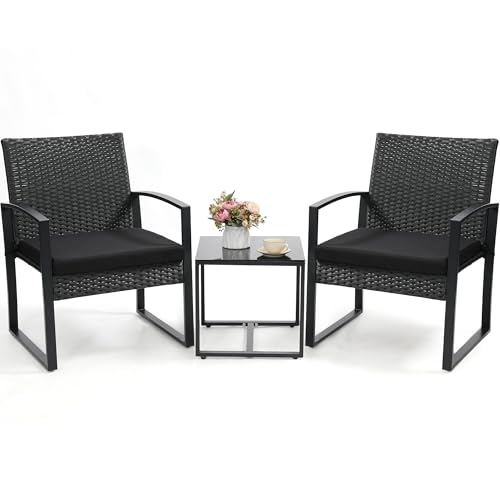
Patio Seating: The Complete Guide to Chairs, Sofas & Conversation Sets
Everything you need to choose comfortable, durable, and beautifully arranged outdoor seating. Compare seating types, materials, layouts, and must-have features before you commit to a set.
Explore Seating OptionsWhy patio seating deserves careful planning: Seating is the heart of any outdoor room. It determines how often you use your patio, how guests naturally gather, and how well your space holds up through seasons of sun, rain, and temperature swings. This guide walks you through every seating category — from compact two-chair setups to full conversation sectionals — so you can match comfort, durability, and layout to your actual lifestyle rather than guesswork.
Seating Types: Which Category Fits Your Patio?
Outdoor seating divides into a handful of clear families. Each one solves a different problem — solo relaxation, intimate conversation, family dining, or large-scale entertaining. Understanding the trade-offs at each tier helps you narrow the field quickly.
Lounge Chairs
Deep, reclined seats built for reading, napping, and slow afternoons. Look for adjustable backrests and quick-dry foam. Best paired with a side table for drinks and books.
Essential to mid-tierConversation Sets
Two to four seats arranged around a low table — the classic social arrangement. Compact sets suit balconies, while larger patio conversation sets anchor a full entertaining zone.
Balanced tierPatio Sofas
The indoor living-room experience moved outdoors. A patio couch or loveseat anchors a seating group and invites long, lingering evenings.
Mid to high-end tierSectionals
Modular, L-shaped, or U-shaped layouts that define a whole outdoor room. A patio sectional is the top-tier choice for large families and frequent hosts.
Premium to luxuryRockers & Gliders
Motion seating that turns a porch or deck into a soothing retreat. Patio rocking chairs and gliders add gentle movement to any seating arrangement.
Mid-tierBenches & Ottomans
Space-efficient seating that doubles as storage or a footrest. A patio ottoman or bench rounds out a conversation group without crowding it.
Starter to balanced tierFrame Materials: Durability and Maintenance Compared
The frame decides how long your seating survives weather and how much upkeep it demands. Most outdoor frames fall into one of five material families, each with a distinct strength and weakness profile.
| Material | Best For | Weather Resistance | Maintenance |
|---|---|---|---|
| Powder-Coated Aluminum | Lightweight, rust-free everyday seating | Excellent | Wipe clean; no sealing |
| High-Grade Steel | Heavy-duty and commercial-grade frames | Good with rust-proof finish | Inspect coating annually |
| Teak & Acacia Wood | Warm, natural aesthetics | Moderate; needs sealing | Oil or seal each season |
| HDPE Wicker / Resin | All-weather, low-fuss seating | Excellent | Rinse and air-dry |
| Cast Aluminum | Ornate, premium outdoor furniture | Excellent | Occasional cleaning |
As a general rule, mid-range frames typically deliver a smoother finish and tighter joints than entry-level builds, while high-end tier and luxury pieces add reinforced welds, thicker gauge metal, and longer warranties. If your patio is exposed to salt air or heavy rain, aluminum and HDPE wicker are the safest long-term investment.
Seating Layouts That Actually Work
Good layout is invisible — guests simply flow through the space. Bad layout feels cramped or disconnected. These arrangements cover the most common patio sizes and social styles.
- Two-chair + side table (starter tier): The most space-efficient layout. Ideal for balconies and small patios; keeps clear walkways and encourages one-on-one conversation. A two-chair patio set is the fastest way to furnish a compact outdoor area.
- Conversation square: Four chairs or a loveseat plus two chairs around a low table. Works in nearly any footprint and scales up easily. Pair with a swivel-chair conversation set for flexible viewing angles.
- Sectional anchor: A sofa or sectional defines the main wall of your outdoor room, with accent chairs perpendicular. This balanced tier layout suits medium and large patios and accommodates relaxed hosting.
- Dining-adjacent lounge: A seating group positioned near the dining area lets guests move naturally between meals and conversation. Keep at least 75 cm of walking clearance between zones.
- Poolside or deck run: Loungers arranged in a row along the pool or deck edge. Choose stackable or folding frames to reclaim space when not in use; see patio loungers for reclining options.
Cushions and Comfort Details
Seating comfort lives or dies by the cushions. The best outdoor cushions use quick-dry foam wrapped in solution-dyed acrylic fabric, resist fading, and dry within hours of rain. Removable, zippered covers make washing practical and extend the life of the whole set.
If your patio receives heavy sun or frequent rain, consider cushion storage solutions such as deck boxes or bench storage, and browse replacement cushions when covers eventually fade. Seating with built-in storage — like self-storing cushion designs — removes the off-season storage headache entirely.
Practical Considerations Before You Buy
- Measure twice: Mark your intended seating footprint with painter's tape before ordering. Allow 60 cm of width per chair and 75 cm behind pulled-out seating for walkways. Our patio essentials checklist includes a measurement worksheet.
- Weather exposure: Fully exposed patios benefit from aluminum, HDPE wicker, or resin frames. Covered porches open up wood and fabric-heavy options. See patio furniture covers for protective options.
- Winter strategy: If the set stays outside year-round, prioritize winter-tolerant patio furniture and store cushions indoors.
- Traffic flow: Keep a clear path from the house door to the main seating area. Avoid blocking the route to the fire pit or grill.
- Shade pairing: Seating in full sun needs an umbrella or pergola; check patio sets with umbrella options to bundle shade with seating.
Frequently Asked Questions
What is the best material for patio seating?
Aluminum and powder-coated steel offer the best balance of durability and low maintenance. Teak and acacia bring warmth but need periodic sealing, while HDPE wicker and resin are the most weather-tolerant for year-round exposure.
How much seating do I need for a patio?
Plan for one seat per regular guest plus a spare. Allow roughly 60 cm of width per chair and 75 cm of clear walking space behind pulled-out seating. Measure your footprint before choosing a set size.
Should patio cushions be removable?
Removable, quick-dry cushions with zippered covers are the most practical choice. They can be stored during the off-season and washed when soiled, extending the lifespan of the seating.
Can patio seating stay outside in winter?
Powder-coated aluminum, HDPE wicker, and resin frames can generally remain outdoors with covers. Wood should be sealed and covered, and cushions should always be stored indoors during cold or wet months.