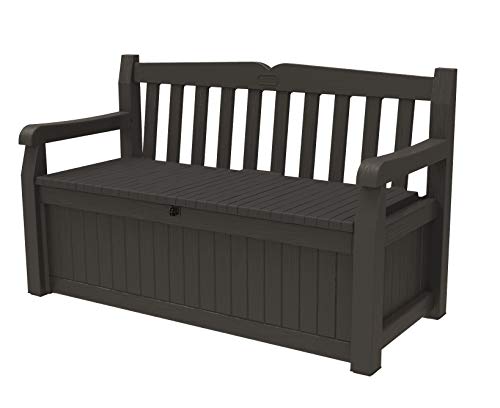
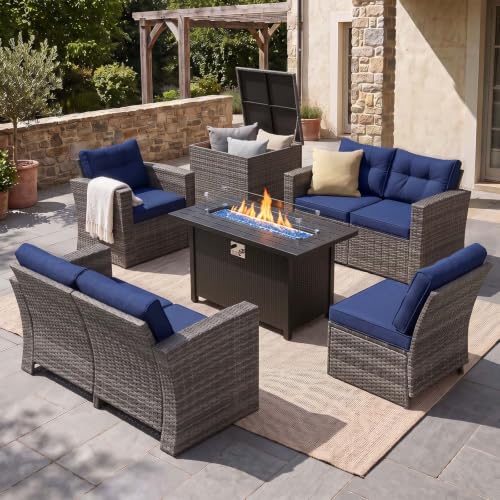
Patio Furniture With Self-Storing Cushions
Keep your outdoor space tidy and weather-ready with furniture that hides cushions away in seconds. Learn how integrated storage works, what to look for, and which styles make the most sense for your patio.
Explore the GuideWhy self-storing cushions matter: Cushions are the most vulnerable part of any outdoor seating set. Sun, rain, and morning dew break down fabric and foam faster than almost any other component. Furniture with self-storing cushions solves this by giving each cushion a dedicated protected home inside the frame, so you spend less time hauling cushions indoors and more time enjoying your patio.
What Are Self-Storing Cushions?
Self-storing cushions are outdoor seat and back cushions that integrate with the furniture frame through a built-in storage mechanism. Instead of stacking cushions in a bin, dragging them into the garage, or leaving them exposed to the elements, you lift a seat, open a compartment, or fold a panel and the cushion tucks neatly inside the furniture itself.
This design has become increasingly common in patio furniture collections because it addresses two persistent problems: storage space and weather damage. Most systems fall into three categories:
- Lift-seat compartments: The seat cushion sits on a hinged lid. Lift the lid and the cushion drops into a sealed or vented compartment beneath. Common in patio couches and patio loveseats.
- Fold-and-tuck designs: The cushion folds in half or thirds and slides into a slot in the backrest or armrest. Often found on patio sectionals and modular seating.
- Pull-out drawers: A drawer built into the base of the furniture pulls out to reveal a storage cavity sized for the cushions. Typically seen on patio sectional sofas and larger patio furniture sets.
The common thread is integration. The storage is part of the furniture, not an accessory you buy separately. That integration is what makes these pieces so useful for smaller patios, balconies, and decks where a separate patio cushion storage box would take up valuable floor space.
How Integrated Cushion Storage Works
Understanding the mechanism helps you evaluate quality when shopping. A well-designed self-storing system has four components working together:
- The hinge or track: This is the moving part that opens and closes the storage area. Entry-level pieces often use basic metal hinges, while mid-range and premium models use stainless steel or powder-coated hardware that resists rust. The smoother the motion, the more likely the mechanism will hold up over seasons of use.
- The compartment shell: The interior cavity needs to protect the cushion from moisture and debris. Look for a sealed or gasketed lid on high-end pieces. Mid-range models often include drainage channels or ventilation slots. Entry-level compartments may be open frames, which are functional but less protective.
- The cushion itself: Self-storing cushions are usually thinner and more flexible than standard cushions so they can fold or slide into the compartment. Solution-dyed acrylic and olefin fabrics are common because they resist fading and mildew. Quick-dry foam is a strong indicator of a well-specified cushion.
- The latch or retention system: Once closed, the storage lid or drawer should stay shut in wind. A simple friction latch is common on starter-tier pieces; a positive lock or magnetic catch is more typical of mid-range and high-end tiers.
When these four components are well matched, the system disappears into the furniture and works intuitively. When they are not, you end up fighting the mechanism every time you use the patio.
Key Benefits of Self-Storing Cushion Furniture
The appeal goes beyond convenience. Here is what you actually gain:
- Weather protection without extra furniture: You avoid buying a separate storage box or bench, which is especially valuable on a small balcony or a compact deck. The furniture does double duty.
- Faster setup and teardown: Opening a seat takes seconds. Hauling cushions into a garage takes minutes. Over a season, that difference adds up to hours of reclaimed time.
- Cleaner sightlines: No stack of cushions piled in the corner and no bulky storage bin breaking up your design. The patio looks composed even when the furniture is not in use.
- Longer cushion life: Cushions that spend most of their time in a protected compartment are exposed to less UV, rain, and pollen. That translates to slower fabric degradation and fewer replacement cycles.
- Better wind resistance: Loose cushions blow around in storms. Stored cushions stay put, which also reduces the risk of cushions ending up in a pool or a neighbor's yard.
For anyone who has ever chased a wet cushion across a deck after a surprise shower, the appeal is obvious. If you are weighing storage options more broadly, our guide to patio furniture with built-in storage for cushions covers additional configurations beyond self-storing designs.
Furniture Types That Offer Self-Storing Cushions
Not every furniture category supports integrated storage equally well. The table below maps common furniture types to their typical storage configurations and practical considerations.
| Furniture Type | Typical Storage Mechanism | Best For | Practical Considerations |
|---|---|---|---|
| Patio couch / loveseat | Lift-seat compartment under the seat cushions | Small to mid-size patios; everyday seating | Compartment depth limits cushion thickness; check hinge quality |
| Patio sectional | Pull-out drawer or fold-and-tuck into backrest | Large decks and family patios | Drawer tracks need regular cleaning; heavier frames |
| Sectional sofa | Under-seat drawer with drainage channels | Modular layouts and entertaining spaces | Verify drawer weight capacity and slide smoothness |
| Lounge chair / lounge furniture | Fold-and-tuck backrest panel | Reading corners and poolside seating | Thinner cushions are typically required |
| Conversation sets | Mixed: lift-seat on sofas, tuck panels on chairs | Balanced seating and social layouts | Check that all pieces in the set use the same mechanism |
| Dining chairs | Rarely offered; seat profile is too thin | Dining-focused layouts | Opt for a separate cushion storage solution instead |
Seating is the natural home for this feature. Dining furniture and tables rarely include self-storing cushions because the seat geometry does not allow for a meaningful compartment. If dining comfort is your priority, a dedicated storage bench or deck box is usually the more practical route.
Popular Configurations to Consider
If you are building a seating layout around self-storing pieces, these configurations tend to work well:
- Conversation sets with storage: A patio conversation set that pairs a storage-equipped sofa with two chairs gives you seating for four with cushions protected on the largest piece. Smaller chairs can use fold-and-tuck designs.
- Swivel-chair layouts: Conversation sets with swivel chairs often combine a storage sofa with rotating chairs, which makes the set easy to reconfigure for sun or shade.
- Compact balcony sets: Conversation sets for small spaces benefit most from self-storing designs because they eliminate the need for a separate storage box on an already tight footprint.
- Rocker and glider setups: Conversation sets with rocker chairs can pair motion seating with a storage-equipped sofa, though the rockers themselves rarely include integrated storage.
- Fire pit groupings: A conversation set with a fire pit anchors the layout, and a storage sofa keeps cushions out of the way when the fire is in use.
For a deeper look at seating layouts that work with these pieces, our patio seating guide covers arrangement strategies for different patio sizes.
Materials and Construction Quality
The storage mechanism is only as good as the materials around it. Here is what to evaluate:
Frame Materials
Powder-coated aluminum is the most common frame material for self-storing furniture because it is light enough to move, rust-proof, and rigid enough to support a hinged compartment. High-grade steel frames are heavier and more durable but require a rust-proof finish to survive outdoor exposure. Resin and high-density polyethylene frames are common in entry-level pieces; they resist moisture but can flex under load, which puts stress on hinges and drawers.
Cushion Fabrics
Solution-dyed acrylic is the benchmark for outdoor cushion fabric because the color is infused into the fiber rather than applied as a surface treatment. Olefin is a strong mid-range alternative with good moisture resistance. Polyester is common at the entry level but fades faster under UV. For any self-storing cushion, quick-dry foam is important because a cushion that stays damp inside a compartment can develop mildew even when the fabric itself resists it.
Hardware and Mechanisms
Stainless steel hinges and drawer slides are the gold standard. Powder-coated steel is acceptable in mid-range pieces but will eventually show wear. Plastic hinges and tracks are common in starter-tier furniture; they work well when the compartment is lightly loaded but can crack under repeated stress. If the furniture will be used daily, prioritize metal hardware.
Quality Tiers: What to Expect at Each Level
Self-storing cushion furniture spans a wide range of construction quality. This tier system helps you calibrate expectations without relying on numeric figures:
| Tier | Storage Mechanism | Materials | Best For |
|---|---|---|---|
| Entry-level / essential tier | Basic hinged lid or open frame; friction latch | Powder-coated steel or resin frame; polyester cushions | Occasional use, covered patios, first outdoor setup |
| Mid-range / balanced tier | Smooth hinge or drawer with drainage channels | Aluminum frame; olefin or acrylic-blend cushions; metal hardware | Regular use, uncovered patios, family seating |
| Premium / high-end tier | Sealed compartment with gasket; stainless steel hardware | Heavy-duty aluminum; solution-dyed acrylic cushions; quick-dry foam | Daily use, full sun exposure, long-term investment |
| Luxury / commercial-grade | Precision-engineered drawer or lift system with positive lock | Marine-grade aluminum or high-grade steel; performance fabrics; replaceable cushion cores | Hospitality settings, high-traffic patios, flagship outdoor spaces |
The practical difference between tiers shows up in three places: how smoothly the storage mechanism operates, how well the compartment protects the cushion from moisture, and how long the fabric holds its color. Mid-range pieces are usually the sweet spot for homeowners who use their patio regularly and want the storage feature to work reliably without stepping into luxury territory.
How to Choose the Right Self-Storing Set
Use this checklist to narrow your options before you start comparing specific models:
- Measure your space first. Self-storing furniture is often slightly deeper than standard seating because the frame houses the compartment. Confirm the footprint fits your patio, deck, or balcony with room to walk around. Our patio essentials guide includes measurement tips for common layouts.
- Match the mechanism to your routine. If you use the patio daily, prioritize a smooth drawer or lift system. If you use it on weekends, a basic hinged lid is sufficient.
- Check the cushion compatibility. Confirm that replacement cushions will fit the compartment. Proprietary cushion sizes can make future replacements difficult, so ask whether the manufacturer offers replacement cushions or publishes the compartment dimensions.
- Evaluate weather exposure. A covered porch tolerates entry-level storage. A fully exposed deck needs a mid-range or premium compartment with drainage or sealing.
- Consider the full set, not just one piece. If you are buying a sofa-and-chairs set, check whether every piece includes storage or only the largest one. Mixed sets are common and perfectly functional, but you should know what you are getting.
- Plan for winter. Even self-storing cushions benefit from a patio furniture cover during the off-season. If you leave furniture outside year-round, read our guide to patio furniture that can be left outside in the winter before you commit.
Common Mistakes to Avoid
- Assuming every cushion fits. Self-storing compartments are sized for the cushions that ship with the furniture. Thicker aftermarket cushions may not fit.
- Ignoring drainage. A compartment without drainage can pool water if rain gets in. Check for drainage holes or a sealed lid, and avoid a design that traps moisture with no escape route.
- Overlooking hinge quality. A stiff or flimsy hinge is the first thing to fail. Open and close the mechanism several times before buying if you can shop in person, or read reviews focused on long-term durability if you are buying online.
- Forgetting about cushion airflow. Cushions stored damp can mildew. Choose quick-dry foam and allow cushions to air out periodically, especially in humid climates.
Maintenance and Long-Term Care
Self-storing cushion furniture is low-maintenance, but a few habits extend its life significantly:
- Clean the compartment seasonally. Debris, pollen, and dust collect in the storage area. Wipe it out at the start and end of each season, and check drainage holes for blockages.
- Lubricate moving parts. A silicone-based lubricant on hinges and drawer tracks once or twice a year keeps the mechanism smooth and prevents squeaks.
- Store cushions dry. Never put a wet cushion into the compartment. Let it dry fully in the sun first, then store it. This single habit prevents most mildew problems.
- Inspect the fabric. Clean cushions with mild soap and water according to the manufacturer's instructions. Avoid harsh chemicals that can strip protective coatings.
- Use a cover in the off-season. Even the best storage compartment is not a substitute for proper winter protection. A breathable cover keeps the entire piece cleaner and reduces wear on the mechanism.
If your cushions are showing wear, replacement is often more practical than replacing the whole set. Our guide to patio furniture replacement cushions covers sizing and material options.
Pairing Self-Storing Seating With Other Outdoor Essentials
Self-storing cushions solve the seating storage problem, but a complete patio still needs supporting pieces. A few natural pairings:
- Shade: A patio umbrella or retractable awning keeps the seating area usable in strong sun. If you are buying a full dining set, an umbrella-ready dining set simplifies shade placement.
- Warmth: A patio fire pit or fire table extends the season into cooler evenings. Pair it with storage seating for a layout that works year-round.
- Tables: A patio end table or patio dining table completes the grouping without adding storage complexity.
- Ambiance: Layered lighting and a patio covering help define the space and make the seating area feel intentional.
For a broader view of how these pieces fit together, browse our patio living section for layout ideas and product categories.
Frequently Asked Questions
Ready to Simplify Your Patio?
Self-storing cushion furniture keeps your seating protected, your space tidy, and your routine simple. Explore recommended options below and find the configuration that fits your patio.
See Recommended Products