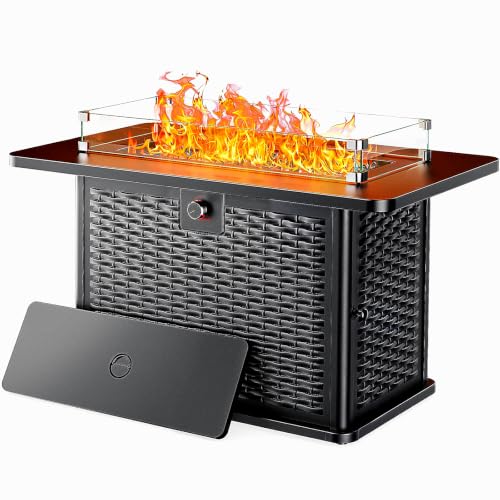
Patio Fire Table: The Complete Guide to Choosing Your Outdoor Fire Feature
Everything you need to know about selecting, using, and maintaining a patio fire table — from fuel types and materials to safety essentials and design integration.
A patio fire table transforms your outdoor space into a year-round gathering destination. Unlike traditional fire pits, these versatile pieces combine the warmth and ambiance of a fire with the functionality of a table — perfect for holding drinks, snacks, or decor while you enjoy the flames. Whether you're upgrading an existing patio or designing a new outdoor living area, this guide will walk you through every consideration to help you choose the right fire table for your needs.
What Is a Patio Fire Table?
A patio fire table is an outdoor furniture piece that integrates a fire feature — typically a gas burner — into a table surface. The fire is contained within a central burner area, often surrounded by a tabletop made from stone, metal, glass, or composite materials. This design allows you to enjoy the visual appeal and warmth of a fire without sacrificing table space for drinks, food, or decorative items.
Fire tables are most commonly powered by propane or natural gas, though some models use bioethanol or gel fuel. Gas-powered units offer the most consistent flame, easy ignition, and adjustable heat output. They are available in a range of sizes, shapes, and styles — from compact round tables for intimate balconies to large rectangular units designed for entertaining.
Why Choose a Fire Table Over a Traditional Fire Pit?
While traditional fire pits have their charm, fire tables offer distinct advantages that make them a popular choice for modern outdoor living spaces:
- Dual functionality: Serves as both a heat source and a table surface, maximizing the use of your outdoor space.
- Cleaner operation: Gas fire tables produce no ash, soot, or embers, making them safer and easier to maintain.
- Instant ignition: Most models feature push-button or electronic ignition for quick and easy start-up.
- Adjustable flame: Control the height and intensity of the flame to suit the occasion and weather conditions.
- Safer for families: Contained flames and no flying sparks make fire tables a safer option for households with children or pets.
- Design versatility: Available in a wide range of styles that complement modern, rustic, coastal, and transitional patio designs.
Fuel Types: Propane vs. Natural Gas vs. Bioethanol
The fuel source you choose affects everything from installation requirements to ongoing operation. Here's how the three main options compare:
Propane
Propane fire tables are portable and self-contained, making them ideal for renters or those who want flexibility in placement. A standard 20-pound tank typically provides 8 to 12 hours of burn time on a medium setting. No gas line installation is required, though you'll need to refill or exchange tanks periodically.
Natural Gas
Natural gas fire tables connect directly to your home's gas line, providing a continuous fuel supply with no tank refills. They require professional installation and a permanent location, but offer the lowest ongoing effort. These units are ideal for homeowners planning a permanent outdoor living setup.
Bioethanol
Bioethanol fire tables burn cleanly and produce no smoke or odor. They require no gas line or propane tank, making them highly portable. However, they produce less heat than gas models and require refilling with liquid fuel. These are best suited for ambiance rather than serious warmth.
Choosing the Right Material for Your Fire Table
The material of your fire table affects its durability, appearance, and maintenance requirements. Here are the most common options:
- Cast aluminum: Lightweight, rust-resistant, and available in a wide range of finishes. Entry-level to mid-range models often use cast aluminum for its balance of durability and portability.
- Steel: Heavy-duty and robust, steel fire tables are built to last. Look for powder-coated or stainless steel finishes for maximum weather resistance. These are typically mid-range to premium offerings.
- Concrete and composite stone: These materials provide a natural, substantial look and excellent heat retention. They are heavy and best suited for permanent installations. Often found in premium and luxury tiers.
- Ceramic tile and glass: Decorative tabletops that add visual interest. Glass surfaces are easy to clean but can show fingerprints; ceramic tile offers a classic look with good heat resistance.
- Wood-look composite: Offers the warmth of wood without the maintenance. Resistant to moisture, fading, and cracking. A solid choice for high-end tier designs that blend with natural surroundings.
Sizes and Shapes: Finding the Right Fit
Fire tables come in a variety of dimensions to suit different outdoor spaces and seating arrangements:
- Round fire tables (30–42 inches): Ideal for intimate seating areas and small patios. A round table encourages conversation and fits naturally with curved seating arrangements. Pair with a patio conversation set for a cohesive look.
- Square fire tables (36–48 inches): A versatile middle ground that works well with four chairs. Square tables maximize surface area while maintaining a compact footprint.
- Rectangular fire tables (48–72 inches): Best for larger patios and dining areas. These can serve as a dining-height or coffee-height centerpiece. Consider pairing with a patio dining set with fire pit table for a complete ensemble.
- Bar-height fire tables: Designed for standing or high-stool seating, these are ideal for entertainment-focused patios and outdoor kitchens.
Integrating a Fire Table Into Your Patio Design
A fire table can serve as the focal point of your outdoor living area. Here are some design considerations to help it blend seamlessly:
- Coordinate with seating: Arrange your patio seating around the fire table to create a natural gathering zone. Allow 18–24 inches of space between the table edge and seating for comfortable movement.
- Consider your surfaces: Place the fire table on a level, heat-resistant surface. If your patio is made of wood or composite decking, use a heat-resistant mat underneath.
- Add complementary pieces: A patio couch or patio loveseat paired with the fire table creates a cozy conversation area. Add patio end tables for additional surface space.
- Lighting and ambiance: Layer in outdoor lighting such as string lights or lanterns to enhance the evening atmosphere around your fire table.
- Protection: Use a patio furniture cover when the fire table is not in use to protect it from the elements.
Safety Guidelines for Patio Fire Tables
Essential Safety Practices
- Maintain at least 3–4 feet of clearance from flammable materials, including walls, furniture, and overhead structures.
- Never use a fire table indoors or in an enclosed space without proper ventilation.
- Keep children and pets at a safe distance, and never leave a lit fire table unattended.
- Check local fire codes and homeowner association rules before installing a gas fire table.
- Inspect gas connections and hoses regularly for leaks or wear.
- Allow the fire table to cool completely before covering or moving it.
- Use a fire-resistant mat underneath if placing on a wooden deck or composite surface.
Maintenance Tips for Long-Lasting Performance
Proper maintenance extends the life of your fire table and ensures safe operation:
- Clean the burner regularly: Remove debris or dust from the burner ports to maintain an even flame.
- Inspect the ignition system: Check batteries in electronic igniters and clean spark electrodes as needed.
- Protect the surface: Wipe down tabletops with a mild cleaner and avoid abrasive products that can scratch finishes.
- Store during off-season: If your fire table is portable, store it in a dry, covered area during winter months. For permanent installations, use a fitted cover.
- Check for rust: Inspect metal components for signs of rust and touch up paint or finish as needed.
Ready to Elevate Your Outdoor Space?
Explore our curated selection of patio fire tables and find the perfect centerpiece for your backyard. Whether you're looking for a compact propane model or a premium natural gas table, we've got options for every outdoor living style.
View Recommended Fire TablesFrequently Asked Questions About Patio Fire Tables
A patio fire table is a multi-functional outdoor furniture piece that combines a coffee or dining table with a built-in fire feature. It provides warmth and ambiance for outdoor gatherings while serving as a functional surface for drinks, food, or decor. Most models are powered by propane or natural gas.
Gas fire tables can be safe on a covered patio if proper clearance is maintained from the ceiling and walls, and the area is well-ventilated. Always follow the manufacturer's clearance specifications and local fire codes. Never operate a fire table in a fully enclosed space.
A standard 20-pound propane tank typically provides 8 to 12 hours of burn time on a medium setting, depending on the BTU output of the fire table. Larger tanks or natural gas connections offer continuous use without the need for refilling.
Yes, most gas fire tables are safe for wooden decks because they do not produce embers or open flames that escape the burner area. However, always use a heat-resistant mat underneath and maintain recommended clearances from railings and overhead structures.
A fire pit is typically a low, open bowl or ring that holds a fire, while a fire table incorporates the fire feature into a flat table surface. Fire tables offer the added benefit of a usable surface for drinks and decor, and they tend to produce less smoke and ash when gas-powered.
A patio fire table is more than just a heat source — it's an investment in comfort, ambiance, and outdoor living. By understanding the fuel types, materials, safety requirements, and design possibilities, you can choose a fire table that enhances your patio for years to come. Whether you're hosting a cool-weather gathering or simply enjoying a quiet evening under the stars, the right fire table makes every moment outdoors more memorable.