Patio Couch Buying Guide: Choose the Right Outdoor Sofa
Everything you need to know before buying a patio couch — frame materials, cushion fabrics, sizing, layout, and long-term care — so your outdoor sofa looks great and lasts for seasons.
Why this guide matters: A patio couch is usually the largest and most-used piece of furniture in an outdoor living space. It anchors the seating arrangement, sets the style of the whole patio, and takes the brunt of sun, rain, and daily use. If you already know you want an outdoor sofa and you are comparing options before you buy, this guide walks you through the decisions that matter most: the frame, the cushions, the size, and how it fits your layout. By the end, you will know exactly which features to prioritize for your climate, space, and household.
Frame Materials: The Foundation of a Lasting Patio Couch
The frame determines how long your patio couch survives weather, how easy it is to move, and how much maintenance it needs. Each material has a distinct set of trade-offs, so match the frame to your climate first, then to your style preference.
Powder-Coated Aluminum
Aluminum is the most common frame for a modern patio couch because it is lightweight, naturally rust-proof, and finished with a powder coating that resists scratches and fading. It is easy to rearrange and holds up well in humid and coastal climates. The main trade-off is that very light aluminum frames can feel less substantial, so look for reinforced joints and a sturdy seat deck. If you are building a full seating group, aluminum pairs well with outdoor lounge furniture in the same finish.
High-Grade Steel
Steel frames are heavier and very stable, which makes them a solid choice for windy patios and large couches. The key is the finish: a high-grade steel frame needs a rust-resistant coating or galvanized treatment to hold up outdoors. Heavy-duty steel construction gives a planted feel, but you will want a helper when it is time to move the couch or store it for winter.
Wicker and Rattan
Wicker and rattan wrapped over an aluminum frame deliver the woven look many homeowners associate with a classic patio couch. Synthetic resin wicker is far more weather-resistant than natural rattan and resists cracking and fading. This style blends naturally with rattan couches and works well on covered porches and sunrooms. Check that the weave is tight and the frame beneath is aluminum rather than untreated steel.
Composite and Poly Lumber
Composite decking and poly lumber frames are engineered to resist moisture, rot, insects, and fading. They are an excellent fit for rainy, humid, or coastal climates and require very little upkeep beyond a seasonal wash. The look is chunky and casual, similar to poly furniture, which pairs well with relaxed, family-friendly patios.
Wood
Teak, acacia, and eucalyptus bring warmth and a natural grain to outdoor seating. Teak is naturally weather-resistant and ages to a silver patina; acacia and eucalyptus are durable but benefit from a seasonal sealant. Wood frames need more care than aluminum but reward that care with a rich, timeless look. Pair a wood couch with matching outdoor patio furniture for a coordinated natural theme.
Cushion Fabrics: Comfort That Survives the Weather
Cushions are where you feel the difference between a good patio couch and a great one. The fabric and foam determine comfort, drying speed, and how long the couch looks new. For a deeper breakdown of materials, see our guide to outdoor furniture fabric.
Solution-Dyed Acrylic
Solution-dyed acrylic is the benchmark for outdoor cushion fabric. The color is dyed into the fiber itself rather than applied on top, so it resists fading from UV exposure and holds up to repeated cleaning. It is soft enough for comfortable seating and performs well in most climates.
Olefin
Olefin is a durable, moisture-resistant synthetic fabric that dries quickly and resists mold and mildew. It is a common choice for mid-range and family-oriented couches. It can feel slightly less soft than acrylic, so sit on it before you commit if comfort is a priority.
Foam and Fill
Quick-dry foam cores allow water to drain and air to circulate, which prevents the soggy, musty feeling that plagues indoor foam outdoors. Look for wrapped foam or a foam-and-fiber blend for a balance of support and softness. Removable, zippered covers make cleaning and replacement easy, and they let you refresh the look of the couch later with patio furniture seat cushions in a new color.
Sizes and Layouts: Match the Couch to Your Space
The right size depends on your patio dimensions, how many people you seat regularly, and how much walking room you want to keep. Measure the space first, then choose a couch that fits without crowding.
Loveseat and Two-Seat Couches
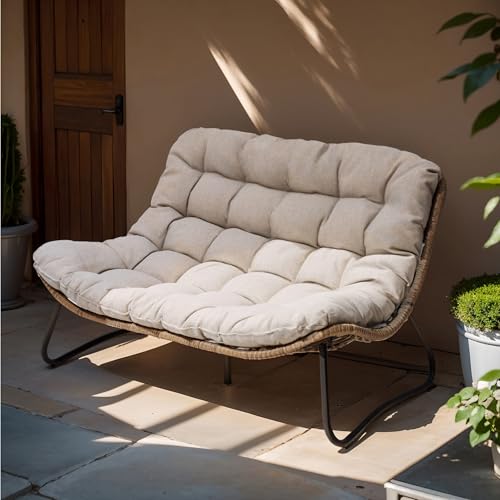
A two-seat patio couch, or outdoor loveseat, is ideal for balconies, small decks, and screened-in porches. It seats two comfortably and leaves room for a side table and a plant. If you like the gentle motion of a glider, an outdoor loveseat glider offers the same footprint with a relaxing sway.
Three-Seat Couches
A three-seat couch is the workhorse of most family patios. It seats three adults or two adults plus children, and it pairs naturally with two accent chairs and a coffee table. Keep at least 18 inches of walkway around the couch so people can move without squeezing past.
Sectionals and Large Couches
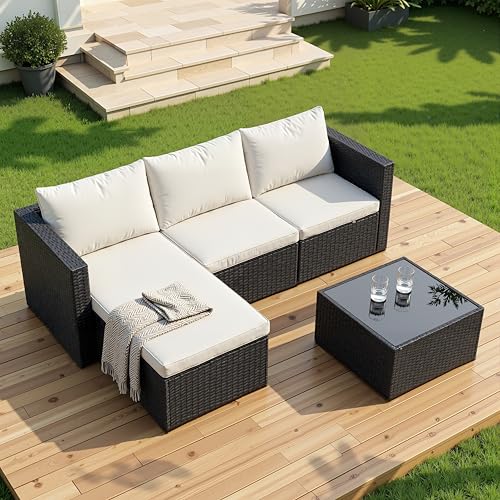
For open patios and large decks, a sectional or an outdoor sectional with waterproof cushions creates a lounge-like layout that seats a crowd. Sectionals define the seating zone and work well with a fire pit or a rug. Just confirm the assembled depth — deep sectionals need more floor space than the width suggests.
Coordinated Sets vs. Standalone Couches
If you are furnishing from scratch, a patio conversation set gives you a couch, chairs, and a table designed to sit together at the right proportions. For small spaces, conversation sets for small spaces keep the proportions tight. If you already own chairs, buy the couch first and match seat height, then add an outdoor ottoman or a side table to complete the arrangement.
Shade and Accessories
Plan shade before you finalize the couch placement. A patio umbrella or a shade structure keeps the seating area usable during the hottest part of the day and protects cushions from direct UV exposure. A rug under the couch also defines the seating zone and reduces wear on the patio surface.
Features That Matter When You Compare Patio Couches
- Seat depth and height: Deep seats feel lounge-like but take more space; standard depth is easier to get in and out of for older guests.
- Removable cushions: Zippered, removable covers make cleaning simple and extend the life of the couch.
- Frame joints: Welded or reinforced joints resist wobble better than bolted connections that loosen over time.
- Weight and portability: Aluminum is easy to rearrange; steel and composite are more planted in windy spots.
- Storage-friendly design: If you have limited indoor storage, consider a couch that pairs with an outside storage box or a patio furniture piece with cushion storage.
- Matching pieces: Check that the couch is part of a family of pieces — rockers, swivel chairs, and tables — so you can expand later. See conversation sets with swivel chairs and sets with rocker chairs for ideas.
Patio Couch Tiers: What Each Level Delivers
Patio couches fall into broad tiers based on materials and construction. Use this comparison to set expectations for durability and features at each level — no figures, just relative positioning.
| Tier | Typical Materials | Durability | Best For |
|---|---|---|---|
| Entry-level | Light aluminum or resin frame, basic olefin cushions | Good for covered patios and light use | First-time buyers, small balconies, seasonal use |
| Mid-range | Powder-coated aluminum or high-grade steel, acrylic cushions | Solid build, resists fading and rust | Family patios, daily use, mixed climates |
| Premium | Heavy-duty aluminum, synthetic wicker or composite, quick-dry foam | Excellent weather resistance, reinforced joints | Large patios, coastal or humid climates, long-term use |
| Luxury / commercial-grade | Teak or premium composite, top-tier acrylic, precision joinery | Flagship durability, designed for years of daily exposure | Design-led outdoor rooms, hospitality and high-use patios |
Mid-range models usually offer a smoother balance of comfort, durability, and maintenance than entry-level options, while premium and luxury tiers add refined finishes, heavier frames, and longer-lasting cushion systems.
Care and Longevity: Keep Your Patio Couch Looking New
A patio couch is a long-term investment, and a simple seasonal routine keeps it comfortable and presentable.
- Weekly: Brush off debris and wipe the frame with a damp cloth. Shake out cushions and let them air dry.
- Monthly: Clean cushion covers following the manufacturer's instructions. Check frame joints and tighten any loose bolts.
- Seasonally: Deep-clean the frame, apply a sealant to wood, and inspect for scratches that need touch-up paint.
- Winter: Store cushions indoors or in a waterproof deck box, and cover the frame with a breathable furniture cover. Read our rust removal guide if you spot corrosion on metal parts.
For coordinated care advice across your whole outdoor setup, see the outdoor care section.
Patio Couch Buying Checklist
Before you finalize your choice, run through this checklist to make sure the couch fits your home and habits.
- Measure the patio and confirm at least 18 inches of walkway around the couch.
- Choose a frame material that suits your climate — aluminum for humid areas, composite for wet climates, wood for a natural look.
- Confirm the cushion fabric is solution-dyed acrylic or olefin, with quick-dry foam and removable covers.
- Check that the couch is part of a matching family so you can add chairs and tables later.
- Plan shade with an umbrella or awning before locking in placement.
- Decide where cushions and the frame will go during winter.
- Compare within the tier you can maintain comfortably over the long term.
Frequently Asked Questions About Patio Couches
What is the best frame material for a patio couch?
Powder-coated aluminum is the most popular choice because it is lightweight, rust-proof, and easy to move. High-grade steel is heavier and very sturdy but needs a rust-resistant finish. Wicker and rattan wrapped over an aluminum frame offer a natural look with good durability. Composite and poly lumber are ideal for wet climates because they resist moisture, rot, and insects.
Which cushion fabric works best for an outdoor sofa?
Solution-dyed acrylic and olefin are the two most reliable outdoor cushion fabrics. Both resist fading, mold, and moisture well. Look for quick-dry foam cores and removable, zippered covers so you can clean them easily. Fabrics rated for outdoor use will hold color longer than indoor upholstery.
How do I choose the right size patio couch for my space?
Measure your patio or deck and leave at least 18 inches of walkway around the couch. A two-seat loveseat fits small balconies and screened-in porches, a three-seat couch suits most family patios, and a sectional works best in larger, open layouts. Always check the assembled depth, not just the width, since deep seats take up more floor space.
How do I protect a patio couch in winter?
Store cushions indoors or in a waterproof deck box, and cover the frame with a breathable, fitted furniture cover. Clean and dry the frame before covering it. In freezing climates, bring lightweight aluminum or wicker pieces into a garage or shed to extend their lifespan.
Should I buy a patio couch with a matching conversation set?
A coordinated conversation set often gives you the best layout because the couch, chairs, and coffee table are designed to sit together at the right proportions. If you already own chairs, buy the couch first and match the seat height and style, then add accent pieces such as an outdoor ottoman or side table.
Ready to Compare Patio Couch Options?
You now have the framework to evaluate any patio couch you encounter: check the frame against your climate, verify the cushion fabric, match the size to your layout, and confirm the care routine you can maintain. Use the recommended products below to compare real options in each tier and find the outdoor sofa that fits your patio and your household.