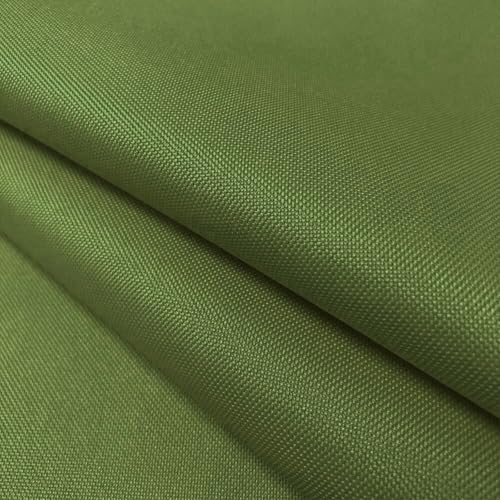
Outdoor Furniture Fabric: The Complete Buying Guide
Everything you need to know about weather-resistant fabrics for patio cushions, sofas, and dining chairs — so you can choose a material that stays beautiful season after season.
EXPLORE FABRIC TYPESWhy fabric matters: The fabric on your outdoor furniture is the first line of defense against sun, rain, mildew, and daily wear. Choosing the right material determines how long your cushions look fresh, how comfortable they feel, and how much maintenance they demand. This guide breaks down every major outdoor fabric type, compares durability and care needs, and helps you match the right fabric to your climate and lifestyle.
Why Outdoor Furniture Fabric Is Different
Indoor upholstery fabric is not built for the elements. Outdoor furniture fabric is engineered with specific treatments and fiber constructions that resist moisture, UV radiation, mildew, and staining. Without these properties, cushions absorb rainwater, fade within a single season, and develop mildew that is difficult to remove. If you are refreshing an existing set, understanding fabric compatibility is essential before you buy replacement cushions or browse dining replacement cushions.
Performance outdoor fabrics typically fall into a few families: solution-dyed acrylic, Olefin (polypropylene), polyester blends, and specialized coated fabrics. Each has trade-offs in breathability, softness, fade resistance, and care requirements. The right choice depends on whether your furniture sits under full sun, partial shade, or a covered porch — and whether you prefer a crisp woven texture or a smooth, easy-wipe surface.
The Main Types of Outdoor Furniture Fabric
Below is a practical breakdown of the most common outdoor fabric categories, using consistent quality-tier descriptors so you can compare them on relative market position without guessing at numbers.
Solution-Dyed Acrylic
Considered the gold standard for outdoor upholstery. The pigment is added to the acrylic solution before the fiber is extruded, so color runs through the entire thread rather than sitting on the surface.
- Excellent fade resistance under prolonged UV exposure
- Soft, breathable hand-feel similar to indoor fabric
- Resists mildew and water absorption
- Often backed by multi-year fade warranties
- Best for full-sun patios and long-term investment pieces
Olefin (Polypropylene)
A synthetic fiber that is naturally moisture-resistant and quick-drying. It is a popular choice for balanced-tier outdoor sets because it handles humidity well without feeling heavy.
- Strong resistance to water and mildew
- Dries quickly after rain
- Good stain resistance
- Less fade-resistant than acrylic in extreme sun
- Best for shaded patios and humid climates
Polyester & Polyester Blends
Widely used in entry-level outdoor cushions, polyester is enhanced with coatings and treatments to improve weather resistance. Quality varies significantly across manufacturers.
- Soft texture and broad color selection
- Available with water-repellent finishes
- Fade resistance depends on treatment quality
- May need more frequent replacement over time
- Best for covered porches and seasonal use
PVC-Coated & Vinyl Fabrics
Heavy-duty coated fabrics that are wipe-clean and highly water-resistant. Common in outdoor restaurant seating and high-traffic commercial settings.
- Excellent water and stain resistance
- Easy to wipe clean with a damp cloth
- Stiffer hand-feel than woven fabrics
- Very durable for constant use
- Best for dining seats and busy family patios
Fabric Comparison at a Glance
Use this quick-reference table to compare the major outdoor fabric families on the attributes that matter most when you are choosing cushions or upholstered seating.
| Fabric Type | Market Tier | Fade Resistance | Moisture & Mildew | Best For |
|---|---|---|---|---|
| Solution-Dyed Acrylic | Premium / Luxury | Excellent | Very Good | Full-sun patios, long-term sets |
| Olefin | Mid-Range | Good | Excellent | Humid climates, shaded areas |
| Polyester Blends | Entry-Level / Mid-Tier | Fair to Good | Good (with treatment) | Covered porches, seasonal use |
| PVC-Coated / Vinyl | Commercial-Grade | Good | Excellent | Dining seats, high-traffic patios |
Ready to put this knowledge to use? Browse our guides on outdoor furniture cushions to see how fabric choice plays out in real seating setups, or explore outdoor lounge furniture if you are planning a full refresh.
How to Match Fabric to Your Climate
The same fabric can perform very differently depending on where you live. A cushion that thrives on a shaded coastal porch may fade quickly on an exposed desert patio. Use these guidelines to narrow your options:
Full-Sun, High-UV Environments
Prioritize solution-dyed acrylic. Because the color is locked into the fiber itself, it resists fading far better than surface-dyed fabrics. If you are furnishing a sun-drenched deck, consider pairing fade-resistant fabric with outdoor shade solutions to reduce direct exposure during peak hours.
Humid & Rainy Climates
Olefin and PVC-coated fabrics are strong performers here because they resist moisture absorption and dry quickly. If your patio receives frequent rain, look for cushions with drainage-friendly construction and quick-dry foam cores. Browse outdoor sectionals with waterproof cushions for setups built around moisture management.
Covered Porches & Screened Spaces
In protected areas, you have more flexibility. Polyester blends and softer acrylic fabrics work well because they are shielded from direct rain and intense UV. Explore outdoor furniture for small screened-in porches to see how fabric choices fit tighter, covered layouts.
Cold & Seasonal Climates
If winters bring snow and freezing temperatures, focus on fabrics that tolerate cold without cracking, and plan for off-season storage. A patio furniture set with cushion storage makes seasonal packing far easier and protects your fabric investment.
Durability Factors Beyond Fiber Type
Fiber type is only part of the story. Construction quality and finishing treatments heavily influence how long outdoor fabric lasts.
Weave Density
Tighter weaves resist pilling and snagging better, but they can feel stiffer. Balanced weaves offer a compromise between smooth texture and durability. Check whether the fabric has a visible, consistent weave pattern — uneven weaves are a warning sign of lower construction quality.
Stain & Water Repellent Finishes
Many outdoor fabrics receive a fluoropolymer or silicone-based finish that causes water to bead and roll off. These finishes degrade over time, especially after repeated cleaning, so re-treatment may be needed every few seasons. Fabrics marketed as "waterproof" often have a laminated backing; these are effective but can reduce breathability.
Seam & Stitch Quality
Look for double-stitched seams and UV-resistant thread. Poor stitching is one of the most common failure points on outdoor cushions — it fails before the fabric itself does. If you are evaluating outdoor dining chairs, inspect the cushion seams carefully before committing.
Foam & Fill Compatibility
Fabric performance is linked to what is inside the cushion. Quick-dry foam and open-cell fill allow moisture to escape, reducing mildew risk. Pairing a premium fabric with slow-drying fill undermines the fabric's benefits. For setups where cushions stay out year-round, consider screened-in porch furniture with breathable cushion construction.
How to Clean & Maintain Outdoor Furniture Fabric
Proper care can double the useful life of outdoor fabric. Follow this routine to keep cushions looking sharp and to prevent mildew before it starts.
- Brush off loose debris weekly. Use a soft-bristle brush to remove pollen, leaves, and dust before they work into the weave.
- Spot clean spills immediately. Blot with a clean cloth and mild soapy water. Avoid harsh detergents that strip protective finishes.
- Wash every few weeks during peak season. Use a solution of mild dish soap and warm water. Rinse thoroughly and air-dry standing up so water drains.
- Deep clean two to three times per season. For stubborn stains, use a fabric-specific outdoor cleaner. Test on a hidden area first.
- Never use bleach unless the manufacturer explicitly allows it. Bleach weakens fibers and can void warranties.
- Dry completely before use or storage. Trapped moisture is the leading cause of mildew. Stand cushions on edge in the sun to dry.
- Store cushions during off-season. Clean and dry them fully, then store in a dry, ventilated space. Avoid sealed plastic bags, which trap humidity.
- Use covers for extended exposure. High-quality waterproof covers protect against rain, sap, and bird droppings when furniture is not in use.
For a deeper dive into protective maintenance, see our outdoor furniture cushions guide, which covers cushion-specific care and replacement timing.
Choosing Fabric for Specific Outdoor Furniture
Different furniture types place different demands on fabric. Here is how to match fabric to the piece you are outfitting.
Dining Chairs & Benches
Dining seats see food spills, frequent sitting, and direct sun. PVC-coated or tightly woven acrylic fabrics wipe clean easily and hold up to daily use. If you are comparing dining configurations, explore outdoor dining furniture and dining table with bench and chairs options to see which cushion styles suit your space.
Lounge & Conversation Seating
Lounge cushions prioritize comfort and breathability. Solution-dyed acrylic is ideal here because it balances softness with fade resistance. Browse outdoor lounge furniture and patio conversation sets to compare cushion depths and fabric choices.
Chaises & Loungers
Poolside and sunbathing furniture faces the harshest UV exposure. Choose the highest fade-resistance you can find, and consider quick-dry construction. See oversized chaise lounge chairs and replacement fabric for patio lounge chairs for fabric-specific refresh options.
Sectionals & Sofas
Large upholstered pieces require more fabric and are harder to replace, so invest in a premium tier. Outdoor sectionals with waterproof cushions and patio couches are good starting points for fabric-forward shopping.
Common Outdoor Fabric Mistakes to Avoid
Even well-chosen fabric can underperform if these mistakes are made:
- Assuming "outdoor" means maintenance-free. All outdoor fabric needs periodic cleaning and protection.
- Ignoring the fill material. A premium fabric over slow-drying foam still traps moisture and breeds mildew.
- Using indoor cleaners. Harsh household chemicals strip protective finishes and shorten fabric life.
- Storing damp cushions. Always dry fully before stacking or storing.
- Skipping covers during long absences. Extended unprotected exposure accelerates fading and wear.
- Overlooking warranty terms. Many fade warranties require specific care practices — read the fine print.
Frequently Asked Questions
What is the most durable outdoor furniture fabric?
Solution-dyed acrylic is widely considered the most durable outdoor furniture fabric. Its color is infused into the fibers rather than applied as a surface dye, making it highly resistant to fading, moisture, and mildew. Premium acrylic fabrics often carry multi-year warranties against fading and can last many seasons with proper care.
Is Olefin fabric good for outdoor cushions?
Yes, Olefin is a solid mid-range choice for outdoor cushions. It resists moisture, dries quickly, and is resistant to mildew and stains. While it may not match the long-term fade resistance of solution-dyed acrylic, it offers good performance and is a practical option for balanced-tier outdoor furniture.
How often should outdoor furniture fabric be cleaned?
Outdoor furniture fabric should be brushed off weekly and washed every few weeks during peak season. A mild soap-and-water solution is usually sufficient. Deep cleaning two to three times per season, plus proper storage during off-season months, will extend the fabric's lifespan significantly.
Can outdoor furniture fabric be left outside in winter?
Most outdoor fabrics can handle cold weather, but prolonged exposure to snow, ice, and freezing rain accelerates wear. For the best longevity, clean and dry cushions thoroughly before storing them in a dry, ventilated space during winter. If storage is not possible, use high-quality waterproof covers.
Make an Informed Fabric Decision
Outdoor furniture fabric is one of the most overlooked parts of patio planning — yet it determines comfort, appearance, and longevity more than almost any other single component. By matching fiber type to your climate, paying attention to construction quality, and committing to a simple care routine, you can keep your outdoor seating looking fresh for years.
Ready to put this guide to work? Explore our full range of outdoor seating guides, including outdoor patio furniture overviews and outdoor furniture cushions deep dives, to find the right fabric-and-furniture pairing for your space.