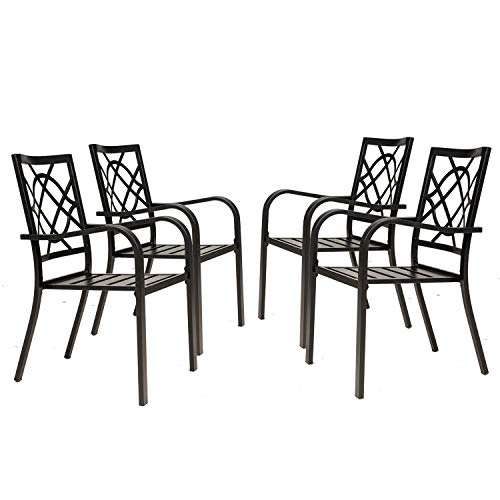
Outdoor Dining Chairs: The Complete Buying Guide
Choosing the right outdoor dining chairs transforms your patio into a comfortable, welcoming space for everyday meals and special gatherings. This guide covers everything you need to know before you decide.
Why outdoor dining chairs deserve careful thought: Unlike indoor seating, outdoor dining chairs must endure sun, rain, temperature swings, and frequent use. The right chairs provide lasting comfort and structural integrity for years, while a poor choice can lead to wobbling frames, faded finishes, and uncomfortable meals. This guide helps you navigate materials, sizing, comfort features, and maintenance so you can choose with confidence.
Whether you are furnishing a compact balcony or a spacious deck, the information below is designed to give you a complete picture before you explore specific products.
Why the Right Outdoor Dining Chairs Matter
Outdoor dining chairs are the backbone of any patio dining arrangement. They determine how long guests can sit comfortably, how well the space functions for everyday use, and how the overall design reads. A well-chosen set of chairs supports the table, complements the surrounding furniture, and withstands the elements without constant attention.
Many homeowners begin their search by exploring the broader category of outdoor dining furniture, then narrow down to chairs that fit their table shape, available space, and personal style. This page focuses specifically on chairs so you can make an informed decision about the seating that will define your outdoor dining experience.
How Outdoor Dining Chairs Differ from Indoor Chairs
Outdoor dining chairs are engineered for exposure. Key differences include:
- Weather-resistant materials: Frames use aluminum, steel with protective coatings, teak, or high-density resin rather than untreated wood or standard upholstery.
- UV-stable finishes: Fabrics and coatings resist fading from prolonged sun exposure.
- Drainage and ventilation: Cushions and seat surfaces are designed to shed water and dry quickly.
- Corrosion resistance: Hardware and joints are treated to prevent rust, especially in coastal or humid climates.
- Stability on uneven surfaces: Many outdoor chairs feature adjustable feet or wide bases for patios and decks.
Understanding these differences helps you evaluate chairs on the criteria that actually matter outdoors, rather than assuming indoor seating standards apply.
Outdoor Dining Chair Materials: A Complete Comparison
The material of your dining chairs affects durability, comfort, maintenance, and style. Here is a clear breakdown of the most common options, organized by market tier.
Aluminum Frames
Lightweight, rust-resistant, and easy to move. Powder-coated aluminum offers good durability and a wide range of finishes.
Best for: Everyday use, balconies, and spaces where portability matters. Mid-range aluminum chairs often feature reinforced joints and thicker tubing for added stability.
Steel Frames
Heavier and more robust than aluminum. High-grade steel with a rust-proof finish provides excellent structural support.
Best for: Windy areas and larger dining sets where weight is an advantage. Look for powder-coated or galvanized steel to resist corrosion.
Teak & Hardwood
Natural beauty and exceptional longevity. Teak contains natural oils that resist moisture and pests.
Best for: Traditional, rustic, and coastal styles. Requires occasional oiling to maintain appearance, but ages gracefully.
Wicker & Rattan
Synthetic resin wicker mimics natural rattan while offering superior weather resistance. All-weather wicker is durable and low-maintenance.
Best for: Relaxed, coastal, and bohemian aesthetics. High-end tier wicker chairs often feature aluminum frames underneath for structural integrity.
Resin & Plastic
Lightweight, stackable, and easy to clean. Modern resin chairs can be molded into comfortable shapes with UV inhibitors.
Best for: Casual settings, family use, and spaces where chairs need to be moved or stored frequently. Top-tier resin chairs offer thicker construction and better UV stability.
Composite & Poly Lumber
Made from recycled materials, composite chairs resist rot, insects, and fading. They look like painted wood without the upkeep.
Best for: Low-maintenance households and eco-conscious buyers. Poly furniture is a solid long-term investment in durability.
How to Evaluate Material Quality
Material alone does not guarantee performance. Pay attention to construction details:
- Weld quality: Smooth, consistent welds indicate careful manufacturing.
- Coating thickness: A powder-coated finish should be uniform and free of thin spots.
- Weight capacity: If you need higher weight ratings, consider chairs built with reinforced frames. Some models are specifically rated for heavier users.
- Joint reinforcement: Look for chairs with cross-bracing or reinforced stress points.
- Fabric specifications: For cushioned chairs, check that the outdoor furniture fabric is rated for UV resistance and quick drying.
Comfort Features That Make a Difference
Outdoor dining chairs need to support comfortable sitting for the length of a meal and beyond. Small design details have a significant impact on how chairs feel over time.
Seat Depth and Width
Adequate seat depth (typically 17–20 inches) and width (at least 18 inches) prevent pressure points and allow relaxed posture.
Backrest Height and Angle
Higher backrests with a slight recline provide better support for longer meals. Look for chairs with lumbar-friendly contours.
Cushion Quality
Removable, quick-drying cushions with high-density foam offer the best comfort. Consider whether replacement cushions are available if needed.
Armrests
Armrests ease getting in and out of chairs and provide resting points during long conversations. They also add a finished look to the set.
Weight and Portability
Lighter chairs are easier to rearrange, while heavier chairs feel more stable in windy conditions. Stackable designs save storage space.
Swivel or Rocking Options
Some dining chairs feature swivel or gentle rocking mechanisms for added comfort. These are ideal if you enjoy lingering at the table.
If you plan to add or replace cushions, explore outdoor dining replacement cushions to keep your chairs comfortable over the years. For broader patio seating needs, browse the outdoor lounge furniture collection to coordinate dining chairs with lounge pieces.
Sizing and Table Compatibility
The relationship between your dining table and chairs determines both comfort and visual harmony. A mismatched set can feel cramped or awkward, while a well-proportioned pairing looks intentional and functions smoothly.
Standard Dimensions to Know
- Seat height: Standard dining chairs have a seat height of 17–19 inches from the floor, designed to pair with tables that are 28–30 inches high.
- Counter-height chairs: For high-top or counter tables (35–37 inches), choose chairs with a seat height of 24–26 inches.
- Bar-height chairs: For bar tables (40–42 inches), choose chairs with a seat height of 28–30 inches.
- Table clearance: Allow 24–30 inches of table width per chair for comfortable dining.
- Chair pull-out space: Leave at least 30 inches between the table edge and any wall or obstacle so chairs can slide out easily.
Matching Chairs to Table Shapes
Round tables pair well with four chairs of similar design. Rectangular tables benefit from chairs that tuck neatly underneath. Oval tables work best with chairs that have slightly curved backs. If you are still selecting a table, consider whether an outdoor dining table set with umbrella hole fits your shade needs, or explore a complete outdoor dining set with umbrella hole for a coordinated solution.
When space is limited, high-top configurations can be more efficient. Browse outdoor high-top table and 2 chairs options for compact dining areas, or consider an outdoor metal high-top table and chairs set for a durable, space-conscious arrangement.
Style and Design: Finding Your Aesthetic
Outdoor dining chairs come in a wide range of styles. The right choice should feel cohesive with your home's exterior and your personal taste.
Popular Outdoor Dining Chair Styles
- Modern and minimalist: Clean lines, neutral colors, and materials like powder-coated aluminum or composite. These chairs work well with contemporary architecture.
- Classic and traditional: Teak or metal chairs with slatted backs and subtle decorative details. They suit cottage, colonial, and farmhouse exteriors.
- Coastal and nautical: Light colors, wicker or rattan textures, and designs that feel breezy and relaxed.
- Rustic and farmhouse: Wood or composite chairs with a weathered look. Pair with a rustic dining table with bench and chairs for a coordinated farmhouse feel.
- Industrial and urban: Metal frames with a utilitarian edge. These chairs are often stackable and highly practical.
Coordinating Chairs with the Rest of Your Patio
If your patio also includes lounge seating, keep the overall look cohesive. Reviewing outdoor setting ideas can help you visualize how dining and lounge areas connect. For small patios, patio conversation sets for small spaces may complement your dining arrangement without overwhelming the area.
Consider also how your dining chairs will look alongside storage or side tables. A well-placed outdoor side table can bridge the gap between dining and lounge zones.
Quick Comparison: Chair Types by Tier
Use this table to compare common outdoor dining chair categories by their market positioning and best use cases.
| Chair Type | Market Tier | Durability | Maintenance | Best For |
|---|---|---|---|---|
| Basic Resin Stackable | Entry-Level | Moderate | Very Low | Casual family use, rentals |
| Powder-Coated Aluminum | Mid-Range | High | Low | Everyday patios, balconies |
| High-Grade Steel with Cushions | Mid-Range to Premium | Very High | Low to Moderate | Windy areas, larger families |
| All-Weather Wicker | Premium | High | Low | Coastal and relaxed styles |
| Teak or Hardwood | Premium to Luxury | Exceptional | Moderate (periodic oiling) | Traditional and long-term use |
| Composite / Poly Lumber | Premium | Exceptional | Very Low | Low-maintenance households |
Maintenance and Longevity
Even the most durable outdoor dining chairs benefit from routine care. Proper maintenance extends the life of your furniture and keeps it looking its best.
General Care Tips
- Clean regularly: Wipe frames with a damp cloth and mild soap. Avoid abrasive cleaners that can damage coatings.
- Protect cushions: Bring cushions inside during heavy rain or extended periods of non-use. Store them in a dry, ventilated area.
- Inspect hardware: Check screws, bolts, and joints periodically. Tighten as needed to maintain stability.
- Address rust early: If you notice small rust spots on metal chairs, treat them promptly. Prompt attention prevents spread.
- Use covers: When chairs are not in use for extended periods, protective covers shield them from dust, pollen, and weather.
For deeper maintenance guidance, refer to resources on rust removal and outdoor waterproof material for garden furniture. If your chairs have removable cushions, knowing how to care for them is essential — see guidance on outdoor furniture cushions for cleaning and storage advice.
Seasonal Storage
During off-season months, clean and dry chairs thoroughly before storage. Stackable chairs save space, while larger chairs should be covered or moved to a sheltered area. If you have limited storage space, consider outside storage boxes or an outdoor vertical storage cabinet with shelves to keep cushions and small accessories organized.
Common Mistakes to Avoid When Buying Outdoor Dining Chairs
Learning from common pitfalls can save you time and frustration. Here are mistakes frequently made by first-time patio furniture buyers.
- Ignoring weight capacity: Not all chairs are rated for the same weight. If you need extra support, consider chairs built for higher capacity, such as outdoor dining chairs with 300 lb weight capacity.
- Overlooking cushion maintenance: Cushioned chairs require more care than sling or solid-surface chairs. Be realistic about how much maintenance you are willing to do.
- Buying before measuring: Always measure your table height and available floor space before purchasing chairs. A mismatch in seat height can make dining uncomfortable.
- Skipping the full set review: If you plan to buy a complete set, compare outdoor table and 4 chairs with cushions options alongside individual chair purchases to ensure coordinated style and sizing.
- Neglecting storage: If you live in a climate with harsh winters, confirm that your chairs can be stacked, folded, or stored compactly.
- Assuming all wicker is weather-resistant: Natural rattan is not suitable for full outdoor exposure. Always choose synthetic all-weather wicker for outdoor use.
Ready to Explore Outdoor Dining Chairs?
You now have the framework to choose chairs that fit your space, climate, and lifestyle. Browse our recommended products below to compare options and find the right chairs for your patio.
View Recommended ChairsFrequently Asked Questions
The number of chairs depends on your table size and household needs. A typical round table seats four, a rectangular table seats six to eight, and a large oval table may seat up to ten. Consider how often you host guests and whether you want extra chairs for flexibility.
Yes, mixing chair styles is an increasingly popular design choice. To keep the look cohesive, choose chairs with a shared material or color palette, and vary the shapes or textures intentionally. For example, pair a bench on one side of the table with individual chairs on the other.
Metal chairs can be very comfortable, especially when equipped with well-designed cushions. Modern metal dining chairs often feature contoured seats and backrests. For maximum comfort, look for chairs with breathable sling seats or add outdoor-grade cushions.
Choose chairs with rust-proof finishes such as powder-coated aluminum, galvanized steel, or stainless steel hardware. Keep chairs dry, touch up any scratches in the coating promptly, and store or cover them during extended wet seasons. Regular inspection and cleaning prevent most rust issues.
In hot climates, breathable materials like sling fabric, wicker, or perforated metal help keep seating cool. Light-colored finishes reflect heat, and cushions made with quick-drying, breathable foam reduce moisture buildup. Avoid dark, solid surfaces that absorb heat.
Many outdoor dining chairs are designed for year-round exposure, particularly aluminum, composite, and high-grade steel models. However, extreme weather conditions can shorten the lifespan of any chair. Using covers and bringing cushions indoors during harsh weather is recommended to maintain appearance and durability.