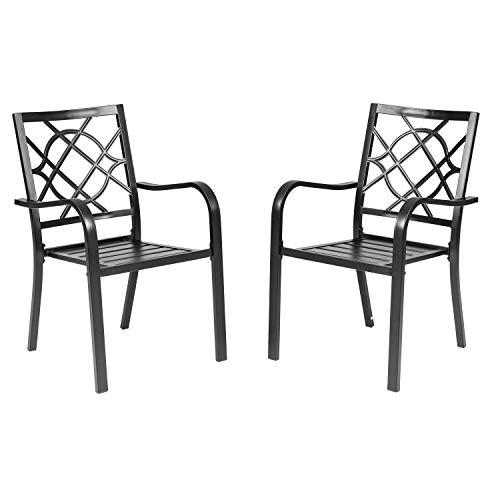
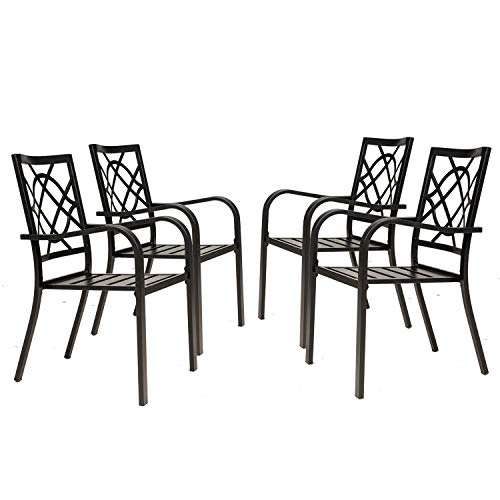
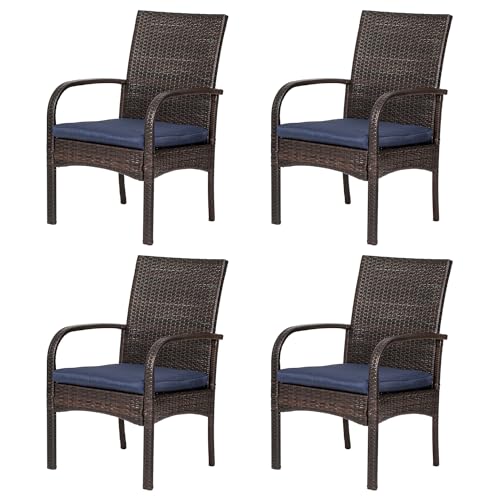
Outdoor Dining Chairs with 300 lb Weight Capacity
Sturdiness is not a luxury — it is a baseline requirement. Learn how to identify genuinely reinforced outdoor dining chairs engineered for a 300 lb weight capacity, from frame materials to joint construction and long-term durability.
Start ReadingWhy This Guide Matters: Not every chair marketed as "heavy-duty" is actually rated for 300 lb. This guide explains the engineering, materials, and verification steps you need to confirm real weight capacity before you commit to a purchase.
What a 300 lb Weight Capacity Actually Means
A 300 lb weight capacity rating is the maximum static load a chair is engineered to support safely. It is a structural claim, not a marketing tagline. Chairs that carry this rating typically use reinforced frames, thicker wall tubing, or dense hardwood construction with tested joint systems. Understanding what the number represents helps you separate true heavy-duty seating from cosmetic imitations.
Most outdoor dining chairs on the market are rated between 250 and 300 lb. The 300 lb threshold sits at the higher end of standard residential ratings — above average but below commercial-grade thresholds. Chairs meeting this benchmark generally suit taller adults, users who prefer a solid, stable seating experience, and households that want extra structural margin.
When shopping, look for chairs with clearly stated capacity ratings in product specifications. A verified 300 lb rating usually comes with documented testing standards, thicker seat frames, and heavier overall weight. If a product listing is vague about capacity, treat it as unverified. For a broader look at capacity-focused seating, explore outdoor dining chairs set of 6 options that often include tested load ratings.
Frame Materials That Support 300 lb Capacity
Frame material is the single strongest predictor of real-world load capacity. Four material families dominate the heavy-duty outdoor dining chair segment, each with distinct trade-offs in strength, weight, weather resistance, and maintenance.
Powder-Coated Aluminum
The most common frame for 300 lb rated chairs. Aluminum is naturally rust-resistant and light enough to rearrange. Thicker gauge tubing and reinforced weld points are what push a chair from average to heavy-duty. Look for wall thickness specifications when available.
Stainless Steel
Stainless steel delivers the highest strength-to-section ratio in the category. It resists rust better than carbon steel and handles continuous outdoor exposure well. Chairs in this category tend to be heavier and more rigid — ideal for permanent dining areas.
Solid Hardwood (Teak, Acacia)
Dense hardwoods support high loads through material mass rather than tubing. Teak is the premium choice for weather resistance; acacia is a solid mid-tier alternative. Joint quality — mortise-and-tenon versus screws — determines whether the wood frame maintains its rating over years of use.
Wrought Iron
Wrought iron provides excellent compressive strength and a classic aesthetic. The trade-off is weight and rust sensitivity: iron requires a maintained powder-coat or paint finish to prevent corrosion. Well-coated wrought iron chairs commonly meet 300 lb ratings.
Material choice should match your climate and usage pattern. Coastal environments favor aluminum and stainless steel. Dry climates allow hardwood frames with less frequent sealing. For broader material context, see our guide to outdoor waterproof material for garden furniture.
Construction Details That Determine Real Capacity
Material alone does not guarantee a 300 lb rating. The way a chair is assembled — its joints, welds, seat base, and leg geometry — decides whether the frame holds under load. These construction signals distinguish genuine heavy-duty chairs from reinforced-looking imitations.
- Reinforced weld joints: Full-perimeter welds at leg-to-seat connections outperform spot welds. Welded cross-bracing under the seat distributes load across the entire frame rather than concentrating it at four points.
- Thicker tubing or stock: Aluminum frames rated for 300 lb typically use larger diameter tubing or thicker wall sections. Hardwood frames use wider legs and thicker seat aprons.
- Seat base structure: A solid or reinforced seat pan prevents sagging. Sling seats rated for high capacity use tighter weave and thicker fabric; slatted seats use closely spaced slats with a central support rail.
- Leg splay and footprint: Wider leg spread improves stability and load distribution. Chairs with legs that angle outward resist tipping better than vertical-leg designs.
- Hardware grade: Stainless steel bolts and threaded inserts resist loosening and corrosion better than standard zinc-plated hardware. Check that assembly hardware is specified in the product description.
Stackable designs introduce another variable: stacking chairs must maintain load capacity despite thinner frames optimized for nesting. Well-engineered stackable outdoor chairs can still meet 300 lb ratings, but verify the specification rather than assuming.
Quality Tiers for Heavy-Duty Outdoor Dining Chairs
Heavy-duty chairs fall into recognizable quality tiers. The classification below uses neutral tier descriptors so you can position products relative to one another without relying on fluctuating market figures. Higher tiers generally deliver more consistent capacity ratings, better joint engineering, and longer service life.
| Tier | Typical Frame & Construction | Best For | Durability Profile |
|---|---|---|---|
| Entry-level | Thinner aluminum tubing, spot welds, basic sling or slat seats | Light household use, occasional dining, covered patios | Meets 300 lb rating but with less margin; expect more frequent hardware checks |
| Mid-range | Thicker aluminum or mid-grade hardwood, reinforced welds, stainless hardware | Regular family dining, uncovered patios, mixed climates | Solid choice for the tier; good balance of strength, weight, and maintenance |
| Premium | High-grade aluminum, stainless steel, or solid teak; full-perimeter welds; mortise-and-tenon joinery | Frequent entertaining, exposed outdoor settings, long-term ownership | Feature-rich for its class; consistent capacity ratings and strong weather resistance |
| Commercial-grade | Heavy-gauge steel or aluminum, industrial weld patterns, commercial hardware | Restaurants, hospitality, high-traffic residential use | Professional-grade durability; typically rated well above 300 lb |
Mid-range chairs usually offer the most balanced ownership experience for residential buyers. Entry-level models can satisfy the 300 lb requirement, but their margins are tighter and hardware tends to need re-tightening sooner. Premium and commercial tiers deliver the most consistent performance over many seasons.
Comfort and Design Considerations
Structural capacity is essential, but a chair must also support comfortable, extended seating. Heavy-duty construction often adds weight and rigidity, so look for designs that compensate with ergonomic shaping and adjustable elements.
Seat height matters for dining ergonomics: most dining tables pair best with chairs offering roughly 17 to 19 inches of seat height. Armrests improve comfort and assist entry and exit, which matters more as chair frames become sturdier and heavier. Cushions or padded slings soften rigid frames without compromising the load rating, provided the padding is thin enough not to interfere with the seat structure.
For coordinated dining areas, consider how chairs pair with tables. A 30-inch round patio table and chairs set suits compact spaces, while larger gatherings call for wider surfaces like a round patio table and chairs for 8. Matching chair capacity to table size and seating count keeps the layout functional and structurally sound.
Color and finish also affect perceived and actual durability. Powder-coated finishes resist chipping better than painted surfaces, and darker tones hide weathering. For style context that complements heavy-duty seating, browse wrought iron dining table and chairs for a classic pairing, or stainless steel outdoor table and chairs for a modern industrial look.
Buying Checklist Before You Commit
Before purchasing any chair marketed at 300 lb capacity, run through this checklist. Each item corresponds to a verifiable specification or physical characteristic you can confirm from product listings or a showroom visit.
- Verify the rating is stated explicitly: A credible heavy-duty chair lists weight capacity in its specification table, not just in marketing copy.
- Inspect the frame material and gauge: Confirm aluminum thickness, steel type, or wood species. Vague descriptions like "metal frame" without specification are a warning sign.
- Look at joint construction photos: Zoomed images of welds and wood joinery reveal whether reinforcement is real or cosmetic.
- Check hardware quality: Stainless steel fasteners indicate a manufacturer serious about long-term structural integrity.
- Consider total chair weight: Heavier chairs usually carry thicker frames. Very light chairs claiming 300 lb capacity deserve scrutiny.
- Confirm maintenance requirements: Hardwood frames need annual sealing; metal frames need periodic hardware tightening. Match maintenance to your willingness to perform it.
- Review warranty terms: A structural warranty covering frame failure is a strong indicator of manufacturing confidence.
For a complete dining arrangement, pair heavy-duty chairs with a matching table. A metal outdoor table and chairs with umbrella combines shade and structural consistency, while wrought iron outdoor dining table and chairs deliver a cohesive traditional look. If rust is a concern in your climate, review our rust removal guidance to protect metal frames over time.
Maintaining Structural Integrity Over Time
A 300 lb rating reflects factory condition. Over seasons of use, joint loosening, finish wear, and corrosion can reduce real-world capacity. Consistent maintenance preserves the rating and extends the chair's service life.
For metal frames, inspect and tighten all bolts at the start and end of each outdoor season. Replace any hardware that shows corrosion. Clean powder-coated surfaces with mild soap and water, avoiding abrasive pads that compromise the finish. For wood frames, apply a penetrating sealant annually and check joints for movement; re-gluing or re-tightening as needed. Store or cover chairs during extreme weather to protect both finish and structure. Our teak furniture care notes explain hardwood-specific sealing schedules in more detail.
Frequently Asked Questions
What does a 300 lb weight capacity mean for an outdoor dining chair?
It is the maximum static load the chair's frame, joints, and seat base are engineered to support safely. The rating reflects material strength and construction quality, and it is typically established through static load testing. Exceeding it repeatedly can cause joint fatigue and premature failure.
Which frame materials are best for heavy-duty outdoor dining chairs?
Powder-coated aluminum, stainless steel, and solid hardwoods like teak or acacia are the most reliable choices. Aluminum offers rust resistance at moderate weight, stainless steel delivers maximum strength, and dense hardwoods provide natural durability with proper sealing. Wrought iron is also viable when the finish is well maintained.
Do 300 lb capacity chairs require special assembly or maintenance?
Most require attaching legs or armrests with included hardware. Use the specified fasteners and tighten them firmly. Maintenance involves seasonal bolt checks, finish inspection, and annual wood sealing where applicable. Consistent upkeep is what keeps the chair performing at its rated capacity.
Can I mix heavy-duty chairs with a standard patio dining table?
Yes, provided the table height matches the chair seat height. Standard dining tables pair with chairs offering roughly 17 to 19 inches of seat height. Check that the chair footprint fits comfortably under the table and that the table itself is stable enough for the group size you plan to seat.
Are stackable chairs a good option for high weight capacity?
Some stackable designs meet 300 lb ratings, but stacking engineering often reduces frame thickness. Verify the stated capacity for stackable models specifically rather than assuming the style guarantees heavy-duty performance. Well-designed stackable chairs can serve both storage efficiency and structural strength.
Ready to Choose Your Heavy-Duty Dining Chairs?
Compare verified high-capacity options and match them to your table, climate, and maintenance preferences.
Explore Options