Planter Box Buying Guide
Elevate your greenery with the perfect planter box. From material selection to size and drainage, here’s everything you need to make a confident choice.
Jump to Essentials ↓Why a planter box matters: More than a container, the right planter box protects your plants, complements your outdoor decor, and defines your garden’s personality. Whether you have a sprawling backyard or a compact balcony, choosing wisely makes all the difference.
Planter Box Materials: Which One is Right for You?
The material of your planter box affects durability, weight, insulation, and style. Here’s a breakdown of the most popular options so you can match your needs and climate.
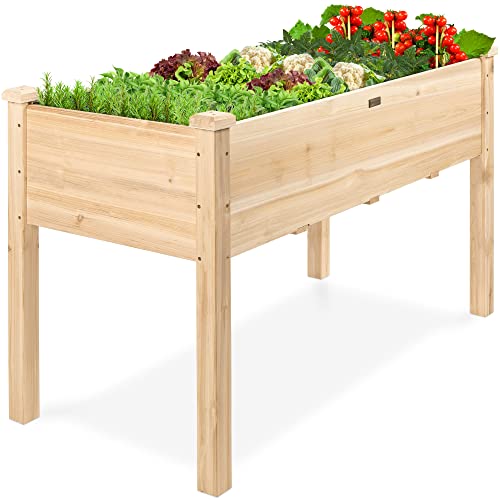
🪵 Wood (Cedar, Redwood, Teak)
Pros: Natural beauty, insulates roots, classic look.
Cons: Requires sealing, can rot over time.
Best for: Rustic gardens, raised beds, and traditional patios.
Price range: $80–$350 for mid-size boxes.
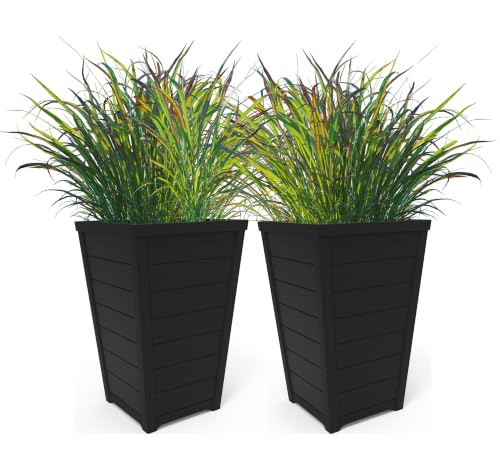
🧱 Resin / Plastic (Polypropylene, HDPE)
Pros: Lightweight, weatherproof, low maintenance.
Cons: Can fade in direct sun, less premium feel.
Best for: Balconies, modern decks, and budget-friendly setups.
Price range: $45–$180 for standard sizes.
⚒️ Metal (Galvanized Steel, Corten, Aluminum)
Pros: Durable, modern industrial aesthetic, rust-resistant (if coated).
Cons: Can heat up roots in full sun, heavier.
Best for: Contemporary patios, urban gardens, and fire-rated areas.
Price range: $120–$450 for quality steel planters.
🏺 Terracotta / Ceramic
Pros: Beautiful glaze, porous (breathable), timeless charm.
Cons: Fragile, heavy, can crack in freezing weather.
Best for: Decorative accents, Mediterranean style, and indoor/outdoor transition.
Price range: $60–$300+ depending on size and finish.
Size, Drainage & Placement – Getting the Basics Right
Even the best material won’t save your plants if the planter is too small or lacks drainage. Consider these critical factors before you buy.
Drainage holes are non-negotiable. Without them, water collects at the bottom and causes root rot. If you fall in love with a planter that lacks holes, you can drill them yourself (for wood, resin, or metal) or use a layer of gravel and a nursery pot insert. For self-watering planters, look for a built-in reservoir that wicks moisture upward – ideal for busy gardeners.
Where to place your planter box: Consider sunlight exposure, wind, and access to water. If you’re placing it on a deck, ensure it’s level and use outdoor rugs or coasters to protect surfaces. For small balconies, vertical or tiered planter boxes can maximize space – see our balcony ideas for inspiration.
Style & Aesthetics – Make Your Planter a Focal Point
Your planter box is more than a container – it’s a design element. Choose a style that harmonizes with your existing outdoor furniture and landscaping.
- Modern / Minimalist: Sleek lines, neutral colors, metal or smooth resin. Pair with modern patio furniture for a cohesive look.
- Rustic Farmhouse: Distressed wood, galvanized metal, or aged terracotta. Complements rustic patio decor beautifully.
- Bohemian Oasis: Mixed materials, colorful glazes, and eclectic shapes. Add string lights and bohemian patio accents for a relaxed vibe.
- Coastal Nautical: Whitewashed wood, rope details, or weathered teak. See our coastal patio guide for more ideas.
Pro tip: Group planters of varying heights and materials for visual interest. Use a outdoor planters selection that complements your seating area, and don’t forget to consider the weight if you plan to move them seasonally.
Self-Watering Planters & Long-Term Care
If you travel often or simply want to reduce daily watering, self-watering planter boxes are a game-changer. They feature a water reservoir at the bottom that supplies moisture to the roots via capillary action. This can cut watering frequency by half.
Maintenance tips for longevity:
- For wood planters, apply a non-toxic sealant every 1–2 years to prevent rot.
- Metal planters benefit from a rust-resistant coating; touch up any scratches.
- Resin planters are low-maintenance – just wipe with mild soap and water.
- Always use potting mix (not garden soil) for better drainage and aeration.
For more in-depth care advice, visit our outdoor care section, where we cover everything from cleaning to winter storage. And if you're planning a larger garden project, our raised garden beds guide offers additional insights.
Budget & Smart Buying Tips
Planter box prices vary widely based on material, size, and brand. Here’s a realistic look at what to expect:
- Under $80: Small resin or plastic planters, ideal for herbs or flowers.
- $80–$200: Mid-size wood or resin boxes, good for shrubs and perennials.
- $200–$500: Large, premium materials (teak, corten steel, handcrafted ceramic).
- $500+: Custom or extra-large planters, often used as landscape statements.
To get the best value, consider shopping during end-of-season sales. Check our seasonal buying guide for timing tips, and explore clearance tips to find high-quality planters at a discount.
Eco-Friendly & Sustainable Planter Choices
If sustainability matters to you, look for planters made from recycled materials, FSC-certified wood, or upcycled containers. Sustainable materials are becoming more common, and many brands now offer planters made from recycled plastics or reclaimed wood.
You can also repurpose items like old wooden crates, galvanized buckets, or even an upcycled dresser – see our upcycled decor page for creative ideas. For watering, consider using a rain barrel to collect rainwater, which is better for your plants and the environment.
Ready to choose your planter box?
Browse our curated selection below – each product is vetted for quality and value.
Shop Recommended Planters ↓