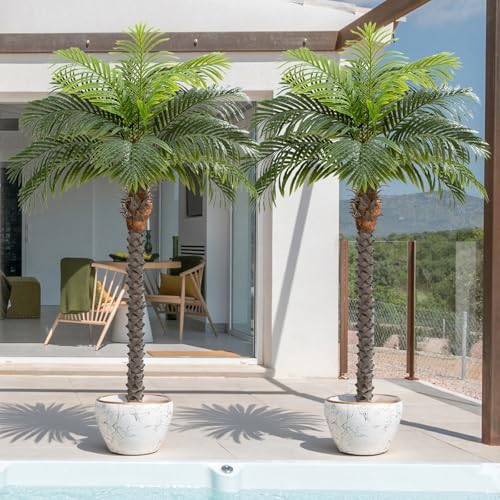
Coastal Patio: Design & Buying Guide
Transform your outdoor space into a relaxed seaside retreat. From breezy color palettes and weather-resistant materials to curated furniture layouts, this guide helps you create a coastal patio that feels effortless, comfortable, and timeless.
Why a coastal patio? Coastal design captures the calm, airy feeling of the shore—soft blues, natural textures, and light-reflecting surfaces. It works beautifully for beach houses, lakefront cottages, and suburban backyards alike. This guide walks you through every decision, from picking the right furniture tier to layering finishes that withstand salt, sun, and humidity. Whether you are starting from scratch or refreshing an existing space, you will find practical, research-backed recommendations to help you buy with confidence.
Understanding Coastal Patio Design
Coastal patio design is more than a color scheme—it is a complete approach to outdoor living that prioritizes light, breathability, and a connection to nature. The style draws from beach houses, boardwalks, and seaside cottages, but it adapts well to any climate when you choose the right materials and layout.
A successful coastal patio balances three elements: color, texture, and function. Color sets the mood with whites, sandy neutrals, and ocean-inspired blues. Texture comes from natural fibers, weathered wood, and woven accents. Function ensures the space works for lounging, dining, and entertaining without feeling cluttered.
Key Coastal Design Principles
- Light and airy palette: Whites, creams, pale blues, seafoam greens, and sandy beiges form the foundation. Coral, navy, or driftwood gray can add contrast.
- Natural materials: Teak, cedar, rattan, jute, and linen bring warmth and authenticity while staying weather-appropriate.
- Open, uncluttered layout: Keep pathways clear and furniture arrangements flexible so the space feels breezy.
- Layered lighting: String lights, lanterns, and soft-glowing candles extend the coastal mood into the evening.
- Indoor-outdoor flow: Choose pieces that feel like a natural extension of your home's interior, especially if your patio sits adjacent to a living room or kitchen.
If you are still exploring broader style directions, our color schemes guide can help you compare coastal palettes against other popular outdoor looks.
Choosing the Right Coastal Patio Furniture
Furniture is the backbone of any coastal patio. The right pieces combine comfort, durability, and a light visual footprint. Because coastal environments often involve salt air, humidity, and strong sun, material selection matters as much as style.
Materials That Thrive in Coastal Conditions
- Teak and cedar: Naturally weather-resistant woods that age gracefully. Teak develops a silver patina over time, which suits the coastal aesthetic perfectly. Explore our cedar outdoor furniture guide for care tips and buying advice.
- Powder-coated aluminum: Lightweight, rust-resistant, and easy to move. Ideal for chairs and dining sets.
- Synthetic wicker and rattan: Mimics natural fibers while resisting moisture and UV damage.
- Marine-grade stainless steel: The top choice for hardware and frames in salt-heavy environments.
- Weather-resistant fabrics: Solution-dyed acrylics and treated polyesters hold color and resist mildew.
Avoid untreated mild steel and low-grade resin, which can corrode or fade quickly in coastal conditions.
Coastal Furniture Tiers: Finding the Right Fit
Coastal patio furniture spans a wide range of quality and construction. Use the tier system below to match your needs—whether you are furnishing a seasonal rental or a full-time seaside home.
Starter Tier
Entry-level coastal pieces typically use lightweight aluminum frames, basic resin wicker, and standard polyester cushions. They are a solid choice for covered patios, seasonal use, or first-time buyers testing a coastal look. Expect simpler joinery and lighter overall construction. These pieces work well for balconies and small spaces—see our balcony chair guide for compact options.
Balanced Tier
Mid-range coastal furniture upgrades to heavier-gauge aluminum, high-quality synthetic wicker, and solution-dyed acrylic cushions. Joints are reinforced, and finishes are more resistant to fading and corrosion. This tier offers the best balance of durability and design flexibility for most homeowners. For lounge seating, consider pieces like a comfortable lounge chair built with mid-tier materials.
High-End Tier
Premium coastal furniture features solid teak or cedar frames, marine-grade stainless hardware, and dense, quick-dry foam cushions. Construction is often mortise-and-tenon or fully welded, and finishes carry multi-year warranties. These pieces are designed for full-time outdoor exposure and long-term use. Explore our cedar Adirondack chairs for an example of premium natural-wood construction.
Flagship Tier
Luxury coastal furniture represents the top of the market: handcrafted teak or iroko frames, custom upholstery, and designer collaborations. These pieces are often made to order and designed to last decades. They suit high-end beach homes and commercial hospitality settings. For a taste of flagship craftsmanship, browse our chaise lounges collection.
When comparing tiers, focus on construction details rather than labels. A well-built mid-tier piece often outperforms an entry-level piece with a premium brand name. For a broader framework, read our comparison guide on evaluating outdoor furniture quality.
Layout and Zoning for a Coastal Patio
A coastal patio should feel open and easy to navigate. Zoning helps you fit multiple activities—dining, lounging, and conversation—into a single space without clutter.
Three Core Zones
- Dining zone: Place a table and chairs near the kitchen or grill for easy serving. A round or oval table softens the layout and improves flow. For compact spaces, a circular outdoor dining table works well.
- Lounging zone: Anchor this area with a sofa or pair of lounge chairs, a low table, and an outdoor rug. Position seating to face the view—whether that is a garden, pool, or sunset.
- Conversation nook: A smaller cluster of two to four chairs around a side table creates an intimate spot for drinks or morning coffee. See our chairs for outside guide for versatile options.
Space-Saving Tips
- Use lightweight furniture that can be rearranged easily for parties or quiet evenings.
- Choose nesting tables and stackable chairs to free up floor space when not in use.
- Keep at least 30 inches of clearance around walkways and between furniture groups.
- Vertical elements—such as a trellis, hanging plants, or a privacy screen—add interest without consuming floor space.
For small or urban outdoor areas, our small-space outdoor chairs guide offers additional layout inspiration.
Color Palettes and Materials for Coastal Style
Coastal color palettes are inspired by the natural shoreline: sand, sea, sky, and sun-bleached driftwood. The goal is a palette that feels calm, cohesive, and easy to live with.
Classic Coastal Palette
- Base: White, cream, ivory, and sandy beige
- Secondary: Soft blues, seafoam green, and pale aqua
- Accents: Coral, navy, driftwood gray, and natural rattan tones
Use the 60-30-10 rule: 60% base neutrals, 30% secondary blues or greens, and 10% accent colors. This keeps the space airy while preventing it from feeling flat.
Texture Mixing
Coastal design thrives on texture contrast. Pair smooth surfaces—glass, painted metal, ceramic—with natural textures like jute, rattan, linen, and weathered wood. An outdoor rug is an easy way to introduce texture underfoot and define a seating area. Our outdoor rugs guide covers materials that resist moisture and sun.
Flooring and Hardscaping
If you are building or renovating, consider materials that complement the coastal look. Light-colored pavers, travertine, and composite decking in weathered gray or sandy tones work well. Our cement patio guide explains how to finish concrete for a clean, coastal-friendly surface.
Coastal Patio Decor and Accessories
Accessories bring personality and polish to a coastal patio. The key is to edit carefully—coastal style favors a curated, uncluttered look over maximalism.
Must-Have Coastal Accents
- Outdoor rugs: A striped or woven rug in jute or recycled plastic defines the seating area and adds warmth.
- Cushions and throws: Mix solids and subtle patterns in coastal colors. Store them in a weatherproof bench or deck box when not in use.
- Lighting: String lights, lanterns, and solar path lights create a soft evening glow. Explore our outdoor lighting guide for layout ideas.
- Planters: Group planters in white, terracotta, or woven finishes. Use drought-tolerant plants like grasses, succulents, and lavender for a low-maintenance coastal feel.
- Shade: A patio umbrella or pergola provides relief from the sun. Our patio umbrellas guide covers wind-rated options for exposed locations.
- Fire feature: A fire pit extends the patio season into cooler evenings. See our fire pits guide for safe placement and style options.
Decor to Avoid
Skip heavy dark furniture, busy patterns, and synthetic materials that fade quickly. Coastal design works best when it feels light, breathable, and natural. Also avoid over-theming—a few well-chosen nautical accents go further than a room full of anchors and rope.
Pro tip: Rotate accessories seasonally. In summer, lean into bright blues and coral. In cooler months, swap in warmer neutrals, throws, and lanterns to keep the patio inviting.
Weatherproofing and Maintenance
Coastal environments are tough on outdoor furniture. Salt air, humidity, UV exposure, and wind-driven rain accelerate wear. A proactive maintenance routine keeps your patio looking fresh and extends the life of your investment.
Maintenance Checklist
- Rinse regularly: Fresh water removes salt residue from frames, cushions, and hardware. A quick rinse every two weeks during beach season makes a big difference.
- Clean cushions: Use mild soap and water, then air-dry fully before replacing. Avoid harsh chemicals that can break down fabric coatings.
- Seal wood: Teak and cedar benefit from an annual oil or sealant application if you want to maintain their original color. If you prefer the silver patina, skip the oil but clean gently.
- Inspect hardware: Tighten bolts and check for rust or corrosion. Replace any compromised fasteners with marine-grade stainless steel.
- Use covers: During storms or off-season, cover furniture with breathable, waterproof covers. Our weatherproofing guide covers cover selection and storage.
For wood-specific care, our guide to cleaning weathered teak walks through step-by-step restoration. If your patio includes composite materials, see our composite outdoor furniture guide for maintenance differences.
Coastal Patio Ideas by Space Type
Coastal design adapts to any size or setting. Use these space-specific ideas to tailor your patio to your home.
Small Balcony or Urban Patio
Focus on vertical interest and multifunctional pieces. A bistro set, a pair of folding chairs, and a slim console table can transform a small balcony. Use hanging planters and string lights to draw the eye upward. Our balcony chair guide and small-space seating guide offer compact options.
Poolside Coastal Patio
Poolside patios need quick-dry materials and slip-resistant surfaces. Chaise lounges, side tables, and a shaded seating area are essentials. Choose solution-dyed cushions and rust-proof frames. Our chaise lounge chairs guide covers pool-friendly designs.
Beachfront or Lakefront Patio
Exposed locations demand the most durable materials: teak, marine-grade aluminum, and synthetic wicker. Anchor furniture with heavy bases and use wind-rated umbrellas. Consider a fire pit for cooler evenings—our chairs for fire pit guide pairs seating with safety considerations.
Covered Porch or Screened Patio
Covered spaces offer more flexibility for fabrics and finishes. You can introduce linen-blend cushions, woven rugs, and decorative accents that might not survive full sun. A porch swing or glider adds a relaxed, coastal touch. See our swing chair guide for inspiration.
Coastal Patio Furniture Tier Comparison
Use this table to compare coastal furniture tiers across key attributes. Remember that construction quality and material grade matter more than brand names.
| Tier | Frame Materials | Cushion Quality | Best For | Durability |
|---|---|---|---|---|
| Entry-Level | Lightweight aluminum, basic resin wicker | Standard polyester, basic foam | Seasonal use, covered patios, first-time buyers | Good for sheltered spaces |
| Mid-Range | Heavier aluminum, high-quality synthetic wicker | Solution-dyed acrylic, quick-dry foam | Full-season use, most residential patios | Solid for year-round exposure |
| Premium | Solid teak, cedar, marine-grade stainless | Dense quick-dry foam, designer fabrics | Full-time outdoor use, coastal homes | Excellent, multi-year warranty |
| Luxury | Handcrafted teak, iroko, custom finishes | Custom upholstery, premium performance fabrics | High-end beach homes, hospitality settings | Exceptional, decades of use |
For help comparing specific brands and construction methods, see our brand comparison guide.
Frequently Asked Questions
What materials work best for a coastal patio?
Weather-resistant materials like teak, cedar, powder-coated aluminum, synthetic wicker, and marine-grade stainless steel are ideal. These resist salt, humidity, and UV exposure while maintaining a natural, beach-appropriate aesthetic.
How do I choose a color palette for a coastal patio?
Start with a base of whites, creams, and sandy neutrals, then layer in soft blues, seafoam greens, and coral accents. Keep the overall palette light and airy to evoke the feeling of the shore. Our color schemes guide offers palette examples.
What furniture layout works best for a coastal patio?
Create distinct zones for lounging, dining, and conversation. Keep pathways open and use lightweight, easy-to-move pieces so you can reconfigure the space for different occasions.
How can I protect coastal patio furniture from salt and humidity?
Choose marine-grade or rust-proof materials, rinse furniture regularly with fresh water, apply protective sealants to wood, and use weather-resistant covers during off-season or storms. Our weatherproofing guide covers details.
Can I create a coastal look on a covered porch?
Yes. Covered porches are ideal for coastal design because you can use a wider range of fabrics and finishes. Focus on color, texture, and natural materials—teak furniture, woven rugs, linen cushions, and soft lighting all work beautifully under a roof.
Ready to Build Your Coastal Patio?
Browse our curated selection of coastal-friendly patio furniture and outdoor essentials to start your transformation.
Explore Recommended Products