Chairs for Outside: The Complete Buying Guide
Everything you need to know before choosing outdoor seating. Compare materials, frame types, comfort features, and styling to find chairs that fit your patio, deck, or garden perfectly.
Start ExploringWhy this guide matters: Chairs for outside are exposed to sun, rain, wind, and temperature swings year after year. Choosing the right material and construction is the difference between seating that lasts for seasons and seating that needs replacing after one summer. This guide walks you through every decision point so you can buy with confidence.
Outdoor Chair Materials Explained
The frame material is the single most important factor in how long your chairs for outside will last and how much maintenance they will need. Each material has a distinct personality, and matching it to your climate and usage habits is the key to a satisfying purchase.
Teak & Hardwood
Natural wood frames bring warmth and timeless style to any patio. High-grade teak contains natural oils that resist rot and insects, making it a long-term investment for covered or semi-covered spaces. Expect to oil or seal it periodically to keep the golden tone. If you love the look of natural grain, explore our cedar outdoor furniture collection for a lighter, aromatic alternative.
Powder-Coated Aluminum
Lightweight, rust-proof, and virtually maintenance-free, aluminum is the go-to frame for full-sun and rainy climates. Powder-coated finishes resist chipping and fading, and the low weight makes rearranging your patio effortless. Mid-range aluminum chairs often feature reinforced joints that rival heavier steel frames in stability.
Wrought Iron & Steel
Heavy-duty steel and wrought iron deliver old-world charm and exceptional stability in windy locations. The trade-off is weight and the need for touch-up painting if the finish chips. Look for rust-proof finishes and welded joints on higher-tier models. These frames pair beautifully with chair cushions for wrought iron patio furniture to soften the hard lines.
Resin & Plastic
Modern resin chairs have moved far beyond the flimsy stackables of the past. High-density polyethylene and polypropylene frames are UV-stabilized, stackable, and easy to hose down. Entry-level resin is fine for occasional use, while premium resin composites mimic wood grain and offer commercial-grade durability for daily outdoor living.
Wicker, Rattan & Synthetic Weave
Woven chairs add texture and a relaxed, resort-like feel. Natural rattan needs shelter from direct rain, while synthetic PE wicker is engineered for full outdoor exposure and will not crack or fade. Mid-range and high-end synthetic weaves are wrapped over aluminum frames, giving you the best of both worlds: lightweight structure with a handcrafted look.
Concrete & Stone
For a sculptural, architectural vibe, cast concrete and stone chairs bring permanence and coolness to hot climates. These are heavy, so plan the placement before delivery. They work best as accent pieces or in protected courtyards. Pair them with weather-resistant cushions for comfort during long evenings outside.
Material Comparison at a Glance
Use this table to quickly compare how each material performs across the factors that matter most. Tier labels reflect relative market positioning, not a specific figure.
| Material | Weather Resistance | Maintenance | Weight | Typical Tier | Best For |
|---|---|---|---|---|---|
| Teak / Hardwood | High (with care) | Periodic oiling | Medium–Heavy | Premium | Covered patios, timeless style |
| Aluminum | Excellent | Wipe clean | Light | Mid-range | Full sun, rainy climates |
| Wrought Iron / Steel | Good (finish-dependent) | Touch-up painting | Heavy | Mid-range | Windy decks, traditional homes |
| Resin / Plastic | Excellent | Hose down | Very Light | Entry-level | Casual seating, poolside |
| Synthetic Wicker | Excellent | Rinse occasionally | Light–Medium | Premium | Lounge areas, resort feel |
| Concrete / Stone | Exceptional | Minimal | Very Heavy | Luxury | Accent pieces, courtyards |
Comfort Features That Actually Matter
A chair can look beautiful and still be uncomfortable after twenty minutes. Before you commit, consider these comfort variables:
Seat Depth & Height
Standard patio chairs sit around 16–18 inches high at the seat. Deeper seats (22+ inches) suit lounging, while shallower seats keep guests upright for dining and conversation. Always check the seat dimensions against the people who will use the chairs most.
Cushion Thickness & Fill
Quick-dry foam and polyester fiber fill are the outdoor standard. Thicker cushions (3–5 inches) provide more support for long sittings. If you plan to leave cushions outside, look for solution-dyed acrylic covers with water-repellent backing. For a budget-friendly refresh, browse options in our outdoor chair cushions guide.
Armrests & Ergonomics
Armrests reduce shoulder strain when standing up and give you a place to rest a drink. Contoured backrests support the lumbar region better than flat backs. On higher-end chairs, you will often find adjustable recline and articulated headrests.
Breathability
Solid cushions trap heat; mesh and sling seats stay cooler in direct sun. If your patio gets full afternoon sun, consider sling or mesh-back chairs, or choose cushions with ventilation channels. Breathable fabrics also dry faster after rain.
Stackability & Storage
If you need to clear the patio for winter or events, stackable chairs are a practical choice. Resin and aluminum models often stack 4–8 high. For permanent setups, non-stacking chairs tend to feel more solid and offer better cushion support.
Swivel & Rocking
Swivel bases make conversation areas more flexible, while rockers and gliders add a soothing motion. These mechanisms add mechanical complexity, so inspect the pivot points and bearings on mid-range and premium models before buying.
Popular Styles of Chairs for Outside
Style is personal, but certain silhouettes have proven themselves in outdoor settings for good reason. Here is how the most common styles compare.
Adirondack Chairs
The wide arms, slanted back, and deep seat make Adirondacks a staple for lawns and fire pit areas. They are comfortable for lounging but less suited to dining. Composite versions resist rot and require almost no care. See our composite Adirondack chairs guide for material specifics.
Dining & Bistro Chairs
Upright backs and standard seat heights make these ideal for tables. Stackable aluminum and resin bistro chairs are the workhorses of small patios and balconies. Pair them with a compact table for a complete setup.
Lounge & Club Chairs
Deep, low-slung seats with plush cushions define the lounge category. These chairs are made for reading, conversation, and afternoon naps. They pair naturally with chaise lounges and side tables in a coordinated seating group.
Rockers, Gliders & Swings
Motion chairs add a soothing rhythm to the patio. A chair and a half glider with ottoman offers generous seating for two or one person who likes room to spread out. Hanging options like a chair hammock create a focal point in a garden corner.
Folding & Camping Chairs
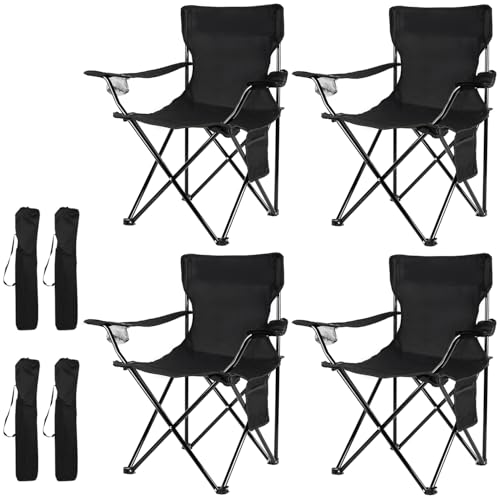
Foldable chairs are essential for balconies, camping, and overflow seating. Modern folding chairs include padded armrests, cup holders, and reinforced frames. Look for models rated for heavier users if durability is a priority.
Fire Pit & Balcony Chairs
Fire pit chairs are designed with heat-resistant materials and often feature a slight recline for watching the flames. Balcony chairs prioritize compact footprints and lightweight frames. Explore our dedicated guides on chairs for fire pit areas and chairs for balcony spaces.
How to Size Chairs for Your Outdoor Space
Proportion is everything. A chair that overwhelms a small balcony feels cramped, while undersized chairs look lost on a large deck. Use these guidelines to plan your layout before you shop.
| Space Type | Recommended Chair Style | Clearance Tip | Seating Capacity |
|---|---|---|---|
| Small Balcony (under 50 sq ft) | Folding or bistro chairs | Leave 24 inches between chair and railing | 2 chairs + small table |
| Standard Patio (100–200 sq ft) | Dining or lounge chairs | Allow 36 inches for walkways | 4–6 chairs |
| Large Deck (200+ sq ft) | Club chairs, gliders, Adirondacks | Create distinct conversation zones | 6–10 chairs |
| Poolside | Resin, sling, or mesh chairs | Choose quick-dry, chlorine-resistant materials | Varies by pool deck |
As a rule of thumb, every chair needs about 30 inches of width for comfortable arm room, plus 30–36 inches of walking clearance behind it if people will pass by. For a small space, consider a comfy outdoor chair for small spaces that balances comfort with a compact footprint.
Care & Maintenance by Material
A little routine care dramatically extends the life of your outdoor chairs. Here is what each material needs to stay in shape season after season.
Wood Frames
Clean with mild soap and water, then apply a dedicated wood sealer or oil once or twice a year. Teak will silver naturally if left untreated; oiling preserves the honey tone. Store or cover wooden chairs during harsh winters to prevent cracking.
Metal Frames
Wipe down monthly with a damp cloth. Inspect welds and joints for rust spots, especially on wrought iron. Touch up chips promptly with matching paint to prevent corrosion from spreading. Aluminum rarely needs more than a seasonal wash.
Wicker & Weave
Rinse synthetic wicker with a garden hose and soft brush. Avoid pressure washing, which can damage the weave. Natural rattan should be kept under cover and wiped with a damp cloth; never soak it.
Resin & Plastic
These are the easiest to maintain: hose down, wipe with soapy water, and rinse. Remove tree sap with a small amount of rubbing alcohol. Store stackable chairs out of direct sun during off-season to slow UV fading.
Cushions & Fabrics
Shake out cushions weekly and spot-clean with mild detergent. Most outdoor fabrics resist mildew, but they still need to dry fully after rain. Store cushions in a dry bin during off-season to prevent mold and fading.
Hardware & Moving Parts
Lubricate swivel bases, glider tracks, and folding hinges annually with a silicone-based lubricant. Tighten bolts and screws at the start of each season. Worn glides or bearings are usually replaceable and inexpensive to swap.
Frequently Asked Questions
Explore Related Guides
- Chairs & Benches
- Comfortable Outdoor Chairs
- Comfy Outdoor Chairs
- Comfortable Patio Chairs
- Outdoor Chairs Overview
- Children's Outdoor Chairs
- Chair That Swings
- Chaise Lounge Chairs Outdoor
- Composite Adirondack Chairs with Cup Holders
- Comfortable Outdoor Folding Chairs with Arms
- Chairs for Fire Pit
- Chair for Balcony
- Comfy Lounger
- Comfortable Lounge Chair
Ready to Choose Your Outdoor Chairs?
Now that you understand the materials, comfort features, and sizing rules, you are ready to compare specific models. Browse our curated selection of chairs for outside and find the right fit for your space.
View Top Picks