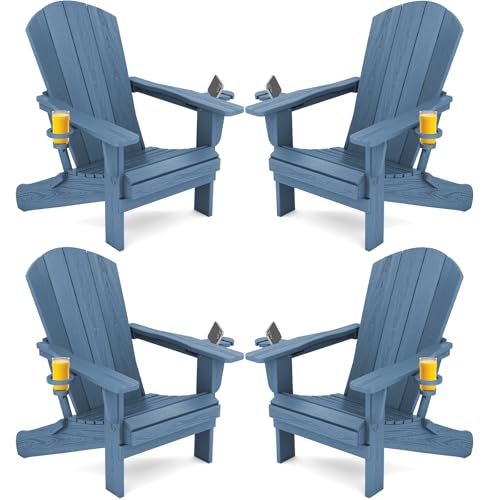
Composite Adirondack Chairs: The Complete Buying & Design Guide
Everything you need to know before investing in weather-resistant, low-maintenance outdoor seating — from material science and comfort features to styling and long-term care.
Start the GuideWhy composite Adirondack chairs deserve your attention: The classic Adirondack silhouette is one of the most recognizable forms in outdoor furniture. Composite construction takes that timeless design and elevates it with modern material technology — eliminating the repainting, sealing, and seasonal storage rituals that traditional wood demands. This guide walks you through the key decision points so you can choose with confidence.
What Exactly Are Composite Adirondack Chairs?
Composite Adirondack chairs are built from a engineered material that blends recycled plastics with wood fibers — commonly called poly lumber or polywood. The result is a chair that mimics the visual warmth of painted wood while delivering the weather resistance of high-grade polymer. Unlike natural timber, composite material does not absorb moisture, which means it resists rot, splintering, and insect damage without chemical treatments.
For homeowners who love the iconic deep-reclining seat, wide armrests, and slatted back of the classic Adirondack chair, the composite version offers a practical evolution. You keep the relaxed lounging posture and the familiar silhouette, but you trade the annual maintenance routine for a simple soap-and-water wipe-down. This makes composite an especially strong fit for coastal properties, humid climates, and anyone who prefers their weekends free of sanding and staining.
The broader composite outdoor furniture category has expanded rapidly because manufacturers have refined the material's colorfastness and texture fidelity. Today's mid-range and premium composite chairs can convincingly replicate the look of painted cedar or teak, and they hold that appearance through sun, rain, and freeze-thaw cycles far better than unfinished wood ever could.
Material Anatomy & Durability Factors
Not all composite material is created equal. The quality gap between entry-level and premium tiers shows up most clearly in density, UV stabilization, and the precision of the joinery. Understanding these variables helps you assess whether a given chair will serve you for a handful of seasons or for well over a decade.
Density and Weight
High-density composite feels substantial in hand. That weight translates to wind resistance on exposed decks and a chair that stays planted when someone pushes back to stand. Lighter composite blends may be easier to reposition, but they can shift in strong gusts. If your patio is elevated or wind-prone, prioritize denser construction.
UV Stabilization
Sun exposure is the primary threat to any outdoor polymer. Premium composite formulations embed UV inhibitors throughout the material rather than applying a surface coating. This means the color protection runs all the way through — scratches and scuffs won't reveal a differently colored core. Entry-level chairs may use a surface treatment that eventually wears through, leading to gradual fading.
Hardware and Joinery
Stainless steel hardware is the standard you want to see. Coated or plated fasteners can corrode over time, especially in coastal salt air. Look for chairs where screws are recessed and the assembly points feel tight and flush. A cedar Adirondack chair relies on the natural decay resistance of the wood; a composite chair relies on the integrity of its fasteners and molded joints, so hardware quality matters disproportionately.
Temperature Behavior
Composite material expands and contracts with temperature changes. Well-engineered chairs account for this with slightly oversized screw holes and flexible joint designs. In extreme heat, darker colors can become warm to the touch — a consideration if the chair will sit in direct afternoon sun for hours.
Quality Tiers: Entry-Level to Luxury
Composite Adirondack chairs fall into three broad market positions. Understanding what each tier typically delivers helps you match the chair to your usage pattern and aesthetic expectations — without over- or under-committing.
Entry-Level Tier
Solid basic construction with standard UV protection. Suitable for seasonal use, covered porches, or budget-conscious shoppers who want the Adirondack look without premium refinements. Expect simpler hardware and fewer color options.
Mid-Range Tier
The sweet spot for most homeowners. Denser composite blends, consistent color-through technology, stainless hardware, and refined contours. These chairs balance durability with comfort and typically carry multi-year warranties.
Premium / Luxury Tier
Heavy-duty commercial-grade construction with the tightest tolerances, thickest material profiles, and the widest color and finish palettes. Designed for full-time outdoor exposure and long-term ownership with minimal intervention.
Within each tier, the practical differences often come down to how smoothly the chair assembles, how precisely the slats align, and how the armrest contours feel against your forearms. A mid-range chair from a reputable brand frequently outperforms an entry-level chair from a lesser-known manufacturer by a wide margin in long-term satisfaction.
Comfort Features That Matter
The Adirondack form is inherently relaxed, but small design variations have an outsized effect on how the chair actually feels after an hour of sitting.
Seat Depth & Recline Angle
A deeper seat with a pronounced backward slope encourages true lounging, but it can be difficult for shorter individuals to exit. If the chair will be shared by people of varying heights, look for a moderate recline that still supports the lower back.
Armrest Width
Wide, flat armrests are a hallmark of the Adirondack design. They serve as resting surfaces for drinks, books, and plates. Models with built-in cup holders add convenience but can narrow the usable armrest area — weigh which matters more to you.
Contoured Back Slats
Flat slats are traditional, but gently curved slats follow the spine more closely and reduce pressure points. Premium chairs often shape the back slats for this reason.
Footrest Options
Adding a matching footrest transforms the chair into a full lounger. Some models integrate the footrest into the frame; others offer it as a separate add-on. Integrated designs tend to feel more stable.
Composite vs. Wood vs. Resin: A Practical Comparison
If you're weighing composite against a cedar Adirondack chair or a basic resin model, the decision usually comes down to how much maintenance you're willing to accept and how long you plan to keep the furniture.
| Factor | Composite | Natural Wood | Basic Resin |
|---|---|---|---|
| Weather Resistance | Excellent — no rot, splinters, or insect damage | Moderate — requires sealing and seasonal care | Good — but may become brittle over time |
| Maintenance Routine | Minimal — soap and water wipe-down | Regular — sanding, staining, sealing | Minimal — but limited repairability |
| Aesthetic Warmth | Good to excellent — mimics painted wood | Excellent — natural grain and tone | Fair — can look plasticky |
| Longevity | High — premium tiers last well over a decade | Variable — depends on species and care | Moderate — susceptible to UV degradation |
| Weight & Stability | Heavy — stays put in wind | Moderate to heavy | Light — may shift in gusts |
| Repairability | Limited — surface scratches can often be buffed | High — can sand and refinish | Low — replacement is usually the only option |
For a deeper look at how composite fits into a broader outdoor setup, the composite outdoor furniture guide covers coordinating tables, benches, and storage pieces. If you're specifically comparing wooden alternatives, the cedar outdoor furniture overview explains what natural timber brings to the table.
Styling & Placement Ideas
Composite Adirondack chairs are versatile style anchors. Because they come in a wide range of solid colors — from muted sage and slate to bright coastal blues — they can either blend into a natural palette or serve as an intentional pop of color.
Pairing with Other Furniture
A pair of chairs flanking a small side table is the classic arrangement for a conversation nook. For a more complete outdoor room, consider pairing them with a composite picnic table with an umbrella hole or a composite high-top table set for a cohesive material story. The visual consistency of matching composite pieces creates a polished, intentional look.
Small Spaces & Balconies
Adirondack chairs are not the most compact seating option, but a single chair angled in a corner can define a reading spot on a balcony without overwhelming the space. Choose a lighter color to keep the area feeling open.
Around a Fire Pit
The deep seat and relaxed angle make Adirondack chairs a natural fit for fire pit seating. Just be mindful of clearance — the backward slope means the chair footprint extends further than a dining chair's. Allow enough room for safe distance from the flames.
Color Strategy
Neutral tones — sand, fog gray, charcoal — offer the most flexibility if you plan to change accent colors over time. Bold hues like navy or forest green work well when the chair is the focal point against a neutral deck or lawn.
Care & Longevity: Keeping Composite Chairs Looking New
One of the strongest arguments for composite is the low maintenance burden. That said, a few simple habits extend the chair's appearance and structural life considerably.
- Routine cleaning: Wipe down with mild soap and water every few weeks during heavy-use seasons. A soft-bristle brush removes pollen and bird droppings without dulling the surface.
- Avoid harsh chemicals: Solvents, bleach solutions, and abrasive pads can compromise the finish. Stick to gentle household cleaners.
- Check hardware seasonally: Tighten any loose screws at the start of each outdoor season. Stainless hardware resists corrosion, but vibration from wind and use can loosen fittings over time.
- Winter considerations: Composite handles cold well, but if you live in a region with heavy snow, stacking or covering chairs reduces the load on joints. The weatherproofing guide covers broader seasonal protection strategies.
- Address scratches promptly: Light surface scuffs can often be buffed with a fine abrasive pad. Deep gouges are rare but may require touch-up depending on the manufacturer's recommendations.
Compared to the seasonal sanding and sealing that a wooden chair demands, the composite maintenance routine is genuinely minimal — which is precisely why so many homeowners gravitate toward it. If you're also considering a matching bench or table, the chairs and benches collection and composite furniture overview offer further reading.
Key Buying Factors: A Decision Checklist
Before committing, run through these practical checkpoints. They're the questions that separate a satisfying long-term purchase from a chair that ends up in the garage after two seasons.
- Intended exposure: Full sun, covered porch, or coastal salt air? Higher exposure demands a higher tier of UV stabilization and hardware quality.
- User height and mobility: The deep recline is lovely for lounging but harder to exit for some users. Consider a model with a slightly more upright angle if the chair serves older family members.
- Weight and repositioning: Composite chairs are heavy. If you frequently rearrange your patio, factor in how easily you can move them.
- Assembly requirements: Most composite chairs ship partially assembled. Check whether the tools and instructions are included, and whether the joinery is designed for straightforward tightening.
- Warranty coverage: A strong warranty — particularly one that covers fading and structural integrity — signals manufacturer confidence. Read the fine print on what's excluded.
- Color consistency: If ordering multiple chairs, confirm they're from the same production batch where possible. Slight color variation between batches is normal but can be noticeable in a matched set.
Frequently Asked Questions
What are composite Adirondack chairs made of?
Composite Adirondack chairs are typically made from a blend of recycled plastics and wood fibers, often referred to as poly lumber or polywood. This material combines the look of painted wood with the weather resistance of plastic, eliminating rot, splintering, and insect damage.
Do composite Adirondack chairs fade in the sun?
High-grade composite materials are formulated with UV inhibitors and fade-resistant pigments. Premium and luxury tier chairs typically hold their color well over many seasons. Entry-level models may show gradual lightening after prolonged sun exposure, which is one reason tier selection matters for full-sun placements.
How do I clean composite Adirondack chairs?
Most composite chairs can be cleaned with mild soap, water, and a soft brush. For stubborn marks, a gentle household cleaner works well. Avoid abrasive pads or harsh solvents that could dull the finish. A quick wipe-down every few weeks during peak season keeps the surface looking fresh.
Are composite Adirondack chairs heavier than wood?
Composite chairs are generally heavier than natural wood Adirondack chairs. This added weight contributes to stability on windy decks and patios, but it also means they are less portable if you frequently rearrange your outdoor space. The trade-off favors stability for most permanent placements.
Can composite chairs stay outside year-round?
Yes — composite material is designed for continuous outdoor exposure. It handles rain, sun, and freeze-thaw cycles without structural degradation. In regions with heavy snow accumulation, covering the chairs or storing them during the coldest months reduces stress on joints and hardware.
Ready to Choose Your Composite Adirondack Chair?
Browse curated recommendations below. Each selection is evaluated on material quality, comfort, and long-term durability — so you can move from research to relaxation with confidence.
View Recommended Chairs