Composite Picnic Table With Umbrella Hole: The Complete Buying Guide
Everything you need to know before choosing a weather-resistant composite picnic table with a built-in umbrella opening — materials, sizing, shade setup, and long-term care.
Start ReadingWhy this guide matters: A composite picnic table with an umbrella hole solves two outdoor problems at once — durable all-weather seating and built-in shade. If you are in the research stage and want to buy with confidence, this guide covers how composite material performs, how the umbrella opening works, which sizes fit which spaces, and what separates entry-level from premium tiers.
What Is a Composite Picnic Table With an Umbrella Hole?
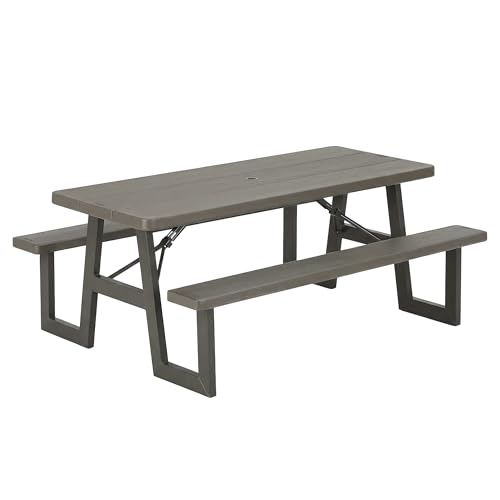
A composite picnic table with an umbrella hole is an outdoor dining table manufactured from a blend of wood fibers and recycled plastics, with a pre-drilled center opening that accepts a patio umbrella pole. The composite material mimics the look of painted or stained timber while eliminating the splintering, rotting, and repainting associated with natural wood.
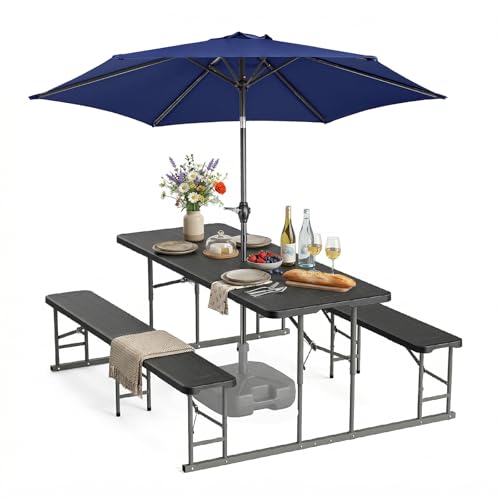
The umbrella hole is the defining functional feature. Instead of buying a separate umbrella stand that occupies floor space and creates a tripping hazard, the table itself anchors the pole. This keeps the canopy centered over the seating area, which is exactly where shade is needed during long lunches and afternoon gatherings.
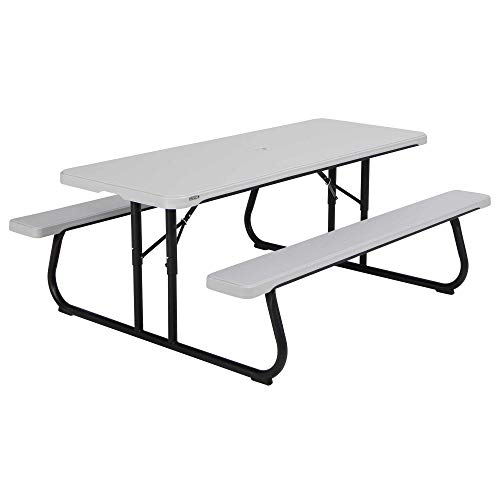
Composite tables typically pair with matching benches in a traditional A-frame or rectangular layout, though some models use a pedestal base or a folding frame. If you are still comparing material families, our broader guide to composite outdoor furniture explains how this material compares with wood, metal, and resin across an entire patio set.
Why Choose Composite Over Wood or Resin?
Composite occupies a middle ground between natural wood and molded plastic. It carries the visual warmth of timber but behaves more like an engineered outdoor product. Here is how the three common material families compare in practice.
| Material | Weather Behavior | Maintenance | Best For |
|---|---|---|---|
| Composite | Resists rot, splinters, and insect damage; UV-stabilized pigments slow fading | Occasional soap-and-water wash; no sealing or staining | Homeowners who want a low-maintenance, wood-look table |
| Natural wood | Requires sealing; prone to cracking and graying without care | Annual sealing, sanding, and refinishing | Traditionalists who enjoy hands-on upkeep |
| Resin / plastic | Fully waterproof but can become brittle in extreme cold | Wipe-down cleaning; very light | Portable or seasonal setups |
The practical takeaway: composite is the strongest choice when you want a permanent or semi-permanent table that looks like painted wood but does not demand an annual refinishing routine. For a deeper dive into the material category, see our overview of composite outdoor furniture construction.
How the Umbrella Hole Actually Works
The umbrella opening is a simple feature with several important details. Understanding them prevents an awkward mismatch between table and canopy.
Pole Diameter Compatibility
Most composite picnic tables ship with an opening sized for a 1.5-inch to 2-inch pole. Confirm the exact dimension before ordering an umbrella, because an undersized hole means the pole will not pass through, and an oversized hole lets the pole wobble. Some mid-range and premium models include an adjustable collar or reducer ring that accepts multiple pole sizes.
Weight and Stability
A composite table is heavy, which is an advantage here: the table's mass acts as a counterweight for the umbrella. That said, a large cantilever or wind-catching canopy can still tip a lightweight table in strong gusts. If your location is exposed, choose a table with a wide base footprint and a pole collar that grips firmly. Pairing the table with a weighted umbrella base is a smart safeguard in windy regions.
Drainage and Sealing
Rainwater can enter through the opening and pool on the tabletop or beneath it. Quality composite tables slope the surface slightly toward the hole or include a drainage channel. Check whether the opening has a sealed rim; an unsealed cut edge is the one place where moisture can work into the composite core over many seasons.
Sizing: Matching the Table to Your Space and Guests
Picnic tables are sized by seating capacity and footprint. Composite models generally follow three common configurations.
| Configuration | Typical Seating | Footprint Notes | Best For |
|---|---|---|---|
| Compact rectangular | 4 adults | Fits small decks and patios; easy to tuck against a wall | Balconies and tight courtyards |
| Standard rectangular | 6 adults | Needs roughly 8–10 feet of clear length including bench pull-out | Family backyards and everyday dining |
| Extended rectangular | 8 adults | Large footprint; benefits from a dedicated dining zone | Entertaining and holiday gatherings |
Allow at least 30 inches of clearance around the benches so guests can slide in and out comfortably. If your space is genuinely limited, compare the footprint of a picnic table with a dedicated circular outdoor dining table, which can seat a similar number of people in a more compact envelope.
Quality Tiers: Entry-Level, Mid-Range, and Premium
Composite picnic tables differ less in appearance than in construction details you cannot see at a glance — the density of the composite, the thickness of the frame, and the hardware. Use this tier framework to judge a model's position in the market.
Essential Tier
Hollow or thinner composite profiles, basic galvanized hardware, and a straightforward A-frame. A solid choice for seasonal use and covered patios where the table is not fully exposed year-round.
Balanced Tier
Denser composite, reinforced bench supports, stainless or coated hardware, and a better-finished umbrella collar. This tier typically offers the best balance of durability and specification for a household that uses the table daily.
High-End Tier
Heavy-duty frames, commercial-grade fasteners, UV-stable color-through pigments, and longer structural warranties. Suited to exposed locations and heavy entertaining where the table functions as permanent outdoor furniture.
A useful rule of thumb: entry-level models usually need re-tightening of hardware after a season or two, while mid-range and premium tiers hold their fit longer. If the table will sit in direct sun and rain year-round, the incremental step up in tier is a worthwhile long-term investment.
Setup Checklist Before You Buy
- Measure the clearing. Confirm length, width, and the 30-inch walkway clearance around benches.
- Verify the umbrella hole diameter. Match it to your existing umbrella pole, or plan to buy a reducer collar.
- Check the surface slope. Look for a slight drainage pitch toward the opening.
- Inspect hardware material. Stainless or coated fasteners resist rust far better than untreated steel.
- Confirm assembly requirements. Many composite tables ship partly assembled; check whether tools and two people are needed.
- Plan wind protection. Use a weighted base if the table sits in an open, gusty area.
- Review the warranty. Fade and structural coverage varies significantly between tiers.
For households that want matching seating beyond the benches, a pair of composite Adirondack chairs placed nearby creates a cohesive composite-material zone without introducing a second maintenance routine.
Care and Longevity
Composite picnic tables are genuinely low-maintenance, but "low" is not "zero." Follow these practices to protect the finish and the umbrella opening.
- Wash with mild soap and water using a soft brush; rinse thoroughly and let air dry.
- Avoid abrasive pads and harsh solvents that dull the surface texture.
- Clear debris from the umbrella hole periodically so water drains freely.
- Inspect and tighten hardware at the start of each season.
- Store the umbrella indoors during off-season or high-wind events.
- Use a breathable cover during extended idle periods in harsh climates.
Compared with the annual sealing routine that natural wood demands, composite care is minimal. That is the core reason this material has become the default recommendation for busy households.
Frequently Asked Questions
What is a composite picnic table with an umbrella hole?
It is an outdoor dining table made from a blend of wood fibers and recycled plastics, featuring a pre-drilled center opening that accepts a patio umbrella pole for built-in shade.
Does composite material fade or crack in sunlight?
Quality composite tables include UV-stabilized pigments that resist fading, and the material does not crack or splinter like natural wood. Mid-range and premium tiers typically carry longer fade warranties than entry-level models.
What umbrella pole diameter fits a composite picnic table?
Most composite picnic tables ship with a hole sized for a 1.5-inch to 2-inch pole. Confirm the opening dimension before buying an umbrella, and consider a table with an adjustable collar if you want flexibility.
Is a composite picnic table heavy and hard to move?
Composite tables are heavier than resin or aluminum models, which makes them stable in wind but difficult to relocate. Choose a fixed location or a model with a folding or knock-down frame if portability matters.
How do I clean and maintain a composite picnic table?
Wipe the surface with mild soap and water, rinse thoroughly, and avoid abrasive pads that dull the finish. For deeper cleaning, use a soft brush on textured surfaces and inspect hardware annually.
Ready to Compare Options?
Browse our recommended composite picnic tables and check current availability. Filter by seating capacity, umbrella hole compatibility, and construction tier to find the model that fits your backyard.
Explore the Recommended PicksBefore you finalize a decision, it helps to understand how composite compares to other picnic table constructions. Our guide to commercial picnic tables explains the higher-durability end of the spectrum and when that extra robustness is genuinely necessary.