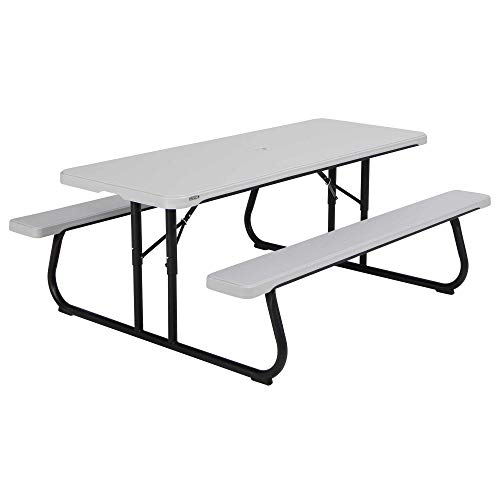
Commercial Picnic Tables: The Complete Buying Guide
Everything you need to choose durable, commercial-grade picnic tables for parks, schools, restaurants, and public spaces — from materials and sizing to anchoring and accessibility.
VIEW RECOMMENDED TABLESWho this guide is for: Facility managers, school administrators, park planners, restaurant owners, and property managers who are researching commercial picnic tables before making a purchasing decision. You already know you need a heavy-duty table — this guide helps you choose the right one with confidence.
What You'll Learn in This Guide
What Makes a Picnic Table Commercial-Grade?
Commercial picnic tables are engineered for continuous public use, not occasional backyard gatherings. The distinction matters because a table that performs well in a residential setting can fail quickly under the daily traffic of a school courtyard, a busy park, or a restaurant patio. Commercial-grade construction typically includes thicker framing, reinforced joints, heavier fasteners, and materials rated for years of exposure and heavy use.
Understanding these differences helps you avoid the common mistake of selecting a residential table for a public-facing space. The sections below break down the key construction signals to look for.
Structural Signals of a Commercial-Grade Table
Reinforced Frame
Commercial tables use thicker steel, aluminum, or wood framing with cross-bracing and gusseted joints that resist racking under repeated load.
Heavy-Duty Fasteners
Bolts, lag screws, and tamper-resistant hardware are used instead of staples or light screws. This reduces loosening and vandalism risk.
Weather-Rated Materials
Powder-coated finishes, UV-stabilized plastics, and rot-resistant woods are standard. These materials hold up to sun, rain, and freeze-thaw cycles.
Weight and Stability
Commercial tables are noticeably heavier and often anchored. Stability under lateral force is a key differentiator from residential models.
If you are also evaluating seating options for adjacent areas, our guide to commercial outdoor furniture covers complementary benches and chairs, while commercial outdoor dining tables and chairs explores full dining setups for hospitality settings.
Material Comparison: Which Surface Suits Your Site?
The tabletop and frame material determines durability, maintenance needs, and appearance. There is no single best material — the right choice depends on your climate, traffic level, maintenance capacity, and aesthetic goals. The table below uses universal quality tiers rather than any numeric figures.
| Material | Tier Positioning | Best For | Maintenance Level |
|---|---|---|---|
| Recycled Plastic | Mid-Range | Parks, schools, coastal areas | Low — wipe clean, no sealing |
| Composite | Premium | High-traffic public spaces | Low — resistant to rot and insects |
| Powder-Coated Steel | Commercial-Grade | Urban parks, transit areas, institutions | Low — periodic inspection of coating |
| Aluminum | Premium | Restaurants, resorts, covered patios | Low — rust-proof, lightweight |
| Pressure-Treated Wood | Entry-Level | Campgrounds, rustic settings | Moderate — periodic sealing |
| Cedar | Mid-Range | Decorative parks, botanical gardens | Moderate — natural rot resistance |
Recycled plastic and composite tables are increasingly popular for public spaces because they eliminate splinters and require minimal upkeep. Steel and aluminum frames deliver the highest structural strength for the most demanding environments. Wood and cedar remain a strong choice where a natural aesthetic matters and a maintenance schedule is realistic. For a deeper look at complementary wood furniture, see cedar outdoor furniture and composite outdoor furniture.
Size and Seating Capacity Guide
Commercial picnic tables are typically specified by length and seating configuration. Choosing the right size depends on the expected group size, available footprint, and whether the table needs to accommodate wheelchairs or strollers. The categories below describe common configurations without referencing any numeric figures.
Compact / Two-to-Four Seat
Ideal for small courtyards, sidewalk dining, and break areas. Often available in round or square formats with attached benches.
Standard Six-to-Eight Seat
The most common commercial configuration for parks and schools. Rectangular tables with attached benches on both sides.
Extended / Group Tables
Longer tables for pavilions, event spaces, and large family gatherings. Often paired with umbrella holes for shade.
ADA-Accessible Configurations
Tables with extended ends and clear knee space to accommodate wheelchair users. Confirm compliance specifications with the manufacturer.
If your project includes smaller seating for children or auxiliary areas, our guides to children's picnic tables and children's wooden picnic tables cover age-appropriate sizing. For shaded dining setups, composite picnic tables with umbrella holes are worth reviewing.
Anchoring, Safety, and Accessibility
In public and commercial settings, anchoring is not optional. An unanchored table can tip, shift, or be stolen. The right anchoring method depends on the installation surface — concrete, asphalt, or soil — and on whether the table will be relocated seasonally.
- Surface-mount anchoring uses brackets bolted into concrete or asphalt. It is the most common approach for permanent installations.
- In-ground anchoring embeds posts or stakes into soil. It suits parks and grassy areas where surface mounting is not feasible.
- Tamper-resistant hardware reduces the risk of vandalism and unauthorized relocation.
- ADA compliance should be verified with the manufacturer if your site serves the public. Look for tables with extended ends and clear space for wheelchair access.
- Edge and corner safety matters in school and family settings. Rounded corners and splinter-free surfaces reduce injury risk.
Accessibility and safety standards vary by jurisdiction, so confirm local requirements before finalizing your specification. For related commercial seating, our cement benches and chairs and benches guides cover complementary options.
Maintenance Expectations by Material
Maintenance planning is often overlooked during purchasing, yet it directly affects the long-term performance of commercial picnic tables. The expectations below are grouped by material family so you can match the table to your team's capacity.
| Material Family | Routine Tasks | Seasonal Tasks | Long-Term Outlook |
|---|---|---|---|
| Recycled Plastic / Composite | Wipe clean, inspect fasteners | Rinse after pollen season | Long service life, low upkeep |
| Powder-Coated Steel / Aluminum | Inspect coating, clean surfaces | Touch up scratches promptly | Very long service life with coating care |
| Pressure-Treated Wood | Check for splinters and loose boards | Seal or stain as needed | Good lifespan with regular sealing |
| Cedar | Inspect joints, clean surfaces | Optional sealing to preserve color | Natural rot resistance, moderate lifespan |
For broader maintenance guidance, our outdoor care section covers weatherproofing and cleaning routines that apply across material types.
Final Buying Checklist
Before you finalize your selection, run through this checklist to make sure the table meets your site's requirements.
- Confirm the expected daily traffic and group size to select the right seating configuration.
- Match the material to your climate, maintenance capacity, and aesthetic goals.
- Verify that the frame and fasteners are rated for commercial use, not residential use.
- Decide on anchoring method based on your installation surface.
- Confirm ADA accessibility requirements if your site serves the public.
- Check whether an umbrella hole or shade compatibility is needed.
- Review the warranty and replacement-parts availability before purchasing.
- Confirm delivery and installation requirements with the supplier.
If your project includes multiple furniture types, our commercial outdoor furniture manufacturers guide can help you compare suppliers, and comparing brands offers a framework for side-by-side evaluation.
Ready to Compare Commercial Picnic Tables?
Browse our recommended commercial-grade picnic tables below and check availability for your project.
EXPLORE RECOMMENDED OPTIONS