Classic Adirondack Chair: The Complete Buyer's Guide
Everything you need to know before choosing this timeless outdoor seat — from materials and comfort to sizing, care, and styling for your patio.
Start the GuideWhy the Adirondack chair endures: Its wide armrests, deep seat, and gently reclined back make it one of the most comfortable and recognizable outdoor chairs ever designed. Whether you are furnishing a first patio or upgrading a long-loved seating area, understanding the details of a classic Adirondack chair helps you choose a piece you will enjoy for years.
What Makes an Adirondack Chair "Classic"?
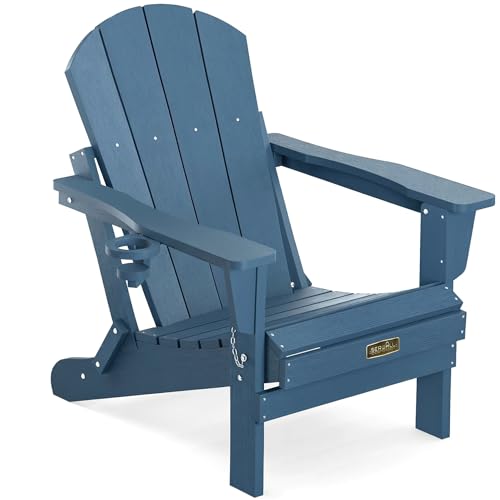
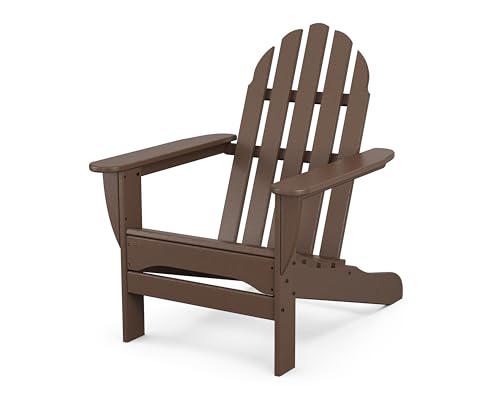
The classic Adirondack chair is a low-slung outdoor seat characterized by a wide, flat backrest, broad armrests, and a deep, slanted seat. Originally designed in the early 1900s as a comfortable chair for lakeside relaxation, its silhouette has become an icon of outdoor living. The defining features include:
- Fan-shaped backrest: The vertical slats form a distinctive rounded or fan-like top.
- Wide armrests: Broad enough to rest a drink, a book, or simply your arms.
- Reclined seating angle: The back leans backward and the seat angles down toward the rear for a lounge-like posture.
- Low profile: The chair sits close to the ground, which encourages relaxation and makes it easy to pair with low side tables.
These design choices create a chair that is intentionally relaxed rather than upright. If you prefer a supportive, dining-style posture, an Adirondack may feel too laid-back, but for reading, conversation, and watching a sunset, few outdoor chairs match it.
Materials: Choosing the Right Build for Your Climate
The material of your Adirondack chair affects its durability, maintenance, weight, and how it ages. Most classic models fall into a few well-defined categories.
Natural Wood (Cedar and Teak)
Wood is the traditional material and remains a favorite for purists. Cedar is naturally rot-resistant, lightweight, and develops a lovely silver-gray patina if left untreated. Teak is denser, naturally water-resistant, and among the most durable outdoor woods available. Wooden chairs can be oiled or sealed to retain their original color, and most wooden models can be repaired or re-finished over time.
Composite and Recycled Plastic
Composite Adirondack chairs are made from recycled plastics or wood-plastic blends. They resist moisture, insects, and fading, and typically require only occasional cleaning. These models are heavier than many wooden chairs but are extremely low-maintenance, making them a strong choice for year-round outdoor use in wet or humid climates.
Resin and Entry-Level Plastic
Resin chairs are lightweight, easy to move, and available in a wide range of colors. They are an entry-level tier option that suits casual patios, rental properties, or seasonal use. While they may not have the longevity of composite or hardwood models, they offer a practical starting point for building an outdoor seating area.
Metal Frames with Wood-Style Slats
Some mid-range models pair powder-coated aluminum or steel frames with composite or wood slats. This can reduce weight while retaining the classic silhouette. If you are exploring other long-lasting options, our guide to cedar Adirondack chairs explains how wood choice affects comfort and care.
Comparing Tiers: Which Adirondack Chair Fits Your Needs?
Rather than focusing on figures, it helps to think about Adirondack chairs in terms of tiers. Each tier describes the relative position of a chair within the market and the level of construction you can expect.
| Tier | Typical Materials | Best For | Maintenance Level |
|---|---|---|---|
| Entry-level | Resin, thin plastic, basic wood | Casual seating, rentals, seasonal use | Low to moderate |
| Mid-range | Composite, cedar, aluminum frames | Year-round home patios and decks | Low |
| Premium | Teak, marine-grade composite, heavy-duty hardware | Long-term use, exposed coastal conditions | Moderate (wood) to low (composite) |
| Luxury / commercial-grade | Thick teak, reinforced frames, premium finishes | Hospitality settings, legacy outdoor furniture | Moderate but very long service life |
A mid-range composite model often delivers the best balance of durability and low maintenance for a typical backyard, while premium wood models appeal to buyers who value craftsmanship and are willing to perform routine upkeep.
Comfort, Sizing, and Fit
Adirondack chairs are not a one-size-fits-all product. The classic proportions suit many adults, but variations in seat depth, back height, and armrest width change how the chair feels.
Seat Depth and Back Angle
Deeper seats create a more reclined feel, which is great for lounging but can be less comfortable for shorter users. If you are shorter, look for a model with a shallower seat or a slightly more upright back. Taller users often prefer a deeper seat and a taller backrest for head support.
Armrest Width
Wide armrests are a hallmark of the classic design and can accommodate a drink or a plate. Narrower models save space on small balconies or tight patios. If you plan to use the chair alongside a fire pit or conversation set, check that the armrests are wide enough for comfort without crowding neighboring seats.
Weight and Portability
Wooden and composite chairs can be heavy, which is fine for a permanent spot but less convenient if you need to move seats frequently. Resin and folding Adirondack models are easier to relocate, which can be useful for seasonal storage or for rearranging your patio. For more ideas on arranging seating around a focal point, see our guide to chairs for a fire pit.
- Measure your available space and confirm the chair fits with room to walk around.
- Test the seat depth against the intended users' height.
- Decide whether you need a headrest or a lower back for a specific view.
- Confirm whether the chair needs to be moved or stored seasonally.
- Check the armrest height against any side table you plan to pair with it.
Care and Maintenance for a Long Service Life
A classic Adirondack chair is designed to live outdoors, but a little routine care keeps it looking its best and extends its usable life.
Wooden Chairs
Inspect the chair each season for loose screws or joints and tighten them as needed. Clean with mild soap and water, then allow it to dry fully before applying an outdoor wood oil or sealant. Untreated cedar will weather to a silver-gray tone, which some owners prefer; if you want to preserve the original color, reapply oil annually. Teak can be left untreated to develop a patina or oiled to maintain a warm finish.
Composite and Resin Chairs
Wipe down with soapy water and a soft brush, rinse, and let dry. Avoid abrasive cleaners that could dull the finish. Composite models generally resist stains, but wiping up spills and debris promptly helps maintain the surface. If your chair is stored outdoors in winter, a cover protects it from ice and prolonged moisture.
Hardware and Seasonal Storage
Stainless steel hardware offers the best corrosion resistance for coastal environments. During winter, store chairs indoors or cover them with a breathable outdoor cover. For broader seasonal maintenance ideas, see our guide to weatherproofing outdoor furniture.
Styling a Classic Adirondack Chair
Because the Adirondack chair has a strong visual identity, it anchors a seating area easily. Pairing it thoughtfully keeps the look intentional rather than mismatched.
Layout Ideas
Two Adirondack chairs facing a low fire pit or a small side table create a simple conversation zone. On a larger deck, a row of chairs along a railing offers a relaxed viewing area. On a balcony, a single chair angled toward the view can become a favorite reading spot. For a coordinated look, pair your chairs with a matching side table or a low cedar outdoor furniture set.
Colors and Finishes
Natural wood finishes blend with coastal, rustic, and farmhouse styles. Painted or composite chairs in muted greens, navy, or warm neutrals work well with modern and transitional patios. A single chair in a contrasting color can serve as an accent in a neutral arrangement. If you are planning a broader palette, our outdoor color scheme guide can help you align seating, planters, and textiles.
Accessories and Textiles
A seat cushion or a small outdoor throw can soften the hard surface of a wooden or composite chair. Because Adirondack seats are deep, look for cushions designed for this chair shape rather than standard square cushions. A small outdoor rug beneath the chairs also helps define the seating area and makes the space feel finished.
Common Mistakes to Avoid
- Ignoring seat depth: A chair that is too deep for the user's height can make the backrest feel unsupportive.
- Choosing the wrong material for the climate: Untreated wood in a very wet climate needs more frequent care than composite, while composite may not deliver the aesthetic some buyers want.
- Overcrowding the space: Adirondack chairs have wide footprints. Measure before buying a set of four if your patio is compact.
- Skipping seasonal care: Even durable composite chairs benefit from cleaning and covering during harsh winters.
- Mixing too many styles: Adirondack chairs pair best with casual, natural materials. Contrast can work, but too many competing styles can make a patio feel cluttered.
Frequently Asked Questions
What makes a classic Adirondack chair different from other outdoor chairs?
The classic Adirondack chair is defined by its wide armrests, slanted back, deep seat, and distinctive fan-shaped backrest. These features create a reclined, relaxed posture that is ideal for lounging, and the design has remained largely unchanged for over a century.
Which material is best for a classic Adirondack chair?
Cedar and teak are excellent natural wood options because of their rot resistance. Composite and high-density polyethylene models offer low-maintenance durability and colorfast performance. Entry-level resin chairs provide a lightweight, easy-to-move option for casual use.
How do I maintain a wooden Adirondack chair?
Clean the chair with mild soap and water, inspect for loose screws, and apply a sealant or outdoor oil annually. Store or cover the chair during harsh winter months to extend its lifespan.
Can Adirondack chairs be used on a small patio or balcony?
Yes. A single classic Adirondack chair paired with a small side table can work well on a compact balcony or small patio. Choose a narrower model and avoid oversized armrests if space is limited.
Explore Related Outdoor Seating Guides
If you are comparing Adirondack chairs with other outdoor seating styles, these guides can help you plan a cohesive patio:
- Composite Adirondack chairs — low-maintenance options for year-round patios.
- Adirondack chairs with cup holders — convenient upgrades for entertaining.
- Cedar Adirondack chairs — natural wood construction and care.
- Chairs for outside — a broader overview of outdoor seating types.
- Comfortable outdoor chairs — ergonomic features to look for.
- Chairs and benches — mixing seating styles across your patio.
Ready to Bring Home a Classic Adirondack Chair?
Explore recommended models and compare features to find the right fit for your patio.
View Recommended Chairs