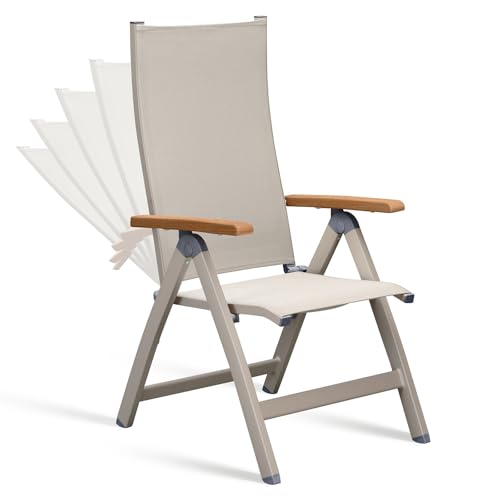
Comfortable Outdoor Folding Chairs with Arms: The Complete Buying Guide
Portable, supportive, and built for real relaxation — learn how to pick folding outdoor chairs with arms that stay comfortable through long afternoons on the patio, deck, or campsite.
Why this guide matters: Folding chairs with arms are the workhorses of outdoor seating. They set up in seconds, store flat, and move wherever the shade goes. But not all folding chairs are built the same — frame strength, fabric breathability, armrest padding, and weight distribution all determine whether you can sit comfortably for an hour or an entire evening. This guide breaks down every factor so you can choose with confidence.
Why Arms Make a Difference in Folding Chairs
Armrests are the single most overlooked comfort feature in folding chairs. On paper, a chair with arms looks almost identical to one without — but in practice, arms change how your body distributes weight. Armrests take pressure off the shoulders and lower back, give you a natural place to rest a drink or book, and make standing up easier for older users or anyone recovering from injury.
Folding chairs with arms typically fall into two design camps:
- Fixed armrests — molded or padded arms attached permanently to the frame. These offer the most stable support and are common on heavier-duty patio folding chairs.
- Padded flip-up or swing-away arms — arms that fold back or swing aside, allowing the chair to tuck under a table or be packed flatter. These are popular for camping and tailgating.
If your primary goal is long-session comfort at home on a patio or deck, fixed padded arms are usually the better choice. If you need the chair to double as travel seating, swing-away arms offer more flexibility. For a broader look at outdoor seating categories, see our overview of comfortable outdoor furniture.
Frame Materials Compared
The frame determines how long the chair lasts, how much it weighs, and how much weight it can safely hold. Here's how the most common materials stack up:
| Material | Best For | Strengths | Watch Out For |
|---|---|---|---|
| Powder-coated steel | Heavy-duty patio and deck use | Strong, stable, holds heavier users well | Heavier to carry; inspect coating for chips |
| Aluminum | Portability and travel | Lightweight, naturally rust-resistant | Can flex under very heavy loads; thinner tubes feel less solid |
| Reinforced steel with rust-proof finish | Year-round outdoor use | Durable in wet climates; resists corrosion | Slightly higher weight than standard aluminum |
| Composite or engineered polymer | Easy-clean, low-maintenance seating | Won't rust, wipes clean, UV-stable options | Less rigid; check hinge quality |
For most homeowners keeping chairs on a patio or deck, a powder-coated steel frame with a rust-proof finish is a solid, long-term choice. If the chairs will move between the yard, the car, and the campsite, aluminum keeps the load light. For complementary seating options that don't fold, our guide to comfortable patio chairs covers stationary designs in more depth.
Fabric & Seat Comfort
The seat and back fabric is where comfort is won or lost. Look for these characteristics:
- Breathability: Mesh or woven synthetic fabric lets air move, which matters on hot days. Solid vinyl or tightly woven canvas traps heat.
- Padding: A lightly padded seat and backrest make a noticeable difference for sessions longer than an hour. Too much padding, however, can hold water after rain.
- Seat depth and height: A seat depth of roughly 17–19 inches and a seat height near 17 inches suits most adults. Deeper seats favor taller users; shallower seats suit shorter users.
- Backrest angle: A slight recline (around 100–105 degrees) is more comfortable for lounging than a fully upright back.
- Weather resistance: Solution-dyed synthetic fabrics resist fading and mildew better than untreated cotton or canvas.
If you prefer chairs without any fabric at all, our article on comfortable outdoor chairs without cushions explores hard-surface and sling designs.
Weight Capacity & Structural Support
Weight capacity is not just about the number printed on the label — it reflects the overall engineering of the chair. Chairs rated for heavier users typically feature:
- Thicker gauge steel or aluminum tubing
- Cross-bracing or a reinforced X-frame under the seat
- Wider seat pans and stronger hinge rivets
- Non-slip feet that prevent the frame from splaying
For larger users or anyone who wants extra reassurance, dedicated heavy-duty models are worth seeking out. Our roundup of comfortable camping chairs for heavier users covers reinforced folding designs in detail. Many of those same construction principles apply to patio-oriented folding chairs with arms.
Portability, Folding Mechanism & Storage
A folding chair is only as useful as it is easy to move and store. Consider these points:
- Folded profile: Chairs that fold flat (rather than into a bulky square) store better in closets, garages, and car trunks.
- Carry weight: Aluminum frames typically weigh noticeably less than steel equivalents — an important factor if you'll carry multiple chairs at once.
- Locking mechanism: A secure locking hinge prevents accidental collapse. Test the lock before trusting the chair with full body weight.
- Carry handles or straps: Small additions that make a big difference when transporting chairs to a park or beach.
- Stackability: Some folding designs stack when folded, which is handy for households with several chairs.
For spaces where storage is tight, you may also want to explore compact alternatives like a chair for balcony use, which covers small-footprint seating in depth.
Quality Tiers Explained
Rather than thinking in terms of numbers, it helps to understand the market in tiers. The descriptors below are relative and hold true across brands and seasons:
| Tier | Typical Characteristics | Best For |
|---|---|---|
| Entry-level | Basic steel or aluminum frame, simple sling fabric, minimal padding | Occasional use, temporary seating, light travel |
| Mid-range | Powder-coated frame, padded arms, breathable fabric, sturdier hinges | Regular patio use and weekend trips |
| Premium | Reinforced frame, high-grade fabric, ergonomic back angle, refined locking mechanism | Frequent use and long sitting sessions |
| Professional-grade / commercial-grade | Heavy-duty tubing, commercial fabric ratings, tested for repeated public use | Rental properties, cafés, venues, and heavy household use |
Mid-range chairs usually deliver the best balance for typical homeowners: noticeably more comfortable than entry-level models without the weight and complexity of commercial-grade chairs. If the chairs will be used daily or by a business, stepping up to professional-grade construction is a worthwhile long-term investment. For more on comparing brands and construction quality, see our brand comparison guide.
Matching Folding Chairs with Arms to Your Space
Patio and Deck
On a patio or deck, stability matters more than weight. Fixed-arm steel chairs with padded seats sit firmly on hard surfaces and handle daily use well. Pair them with a folding side table or a small fire pit chair setup for evening gatherings.
Balcony and Small Outdoor Spaces
Folding chairs excel in tight spaces because they disappear when not in use. Look for chairs with a narrow folded profile and arms that don't flare too wide, so they fit comfortably between railings and planters.
Camping and Travel
For camping, prioritize low carry weight and a compact folded size. Aluminum frames with swing-away arms are ideal here. Our guides to comfortable camping chairs and camping chair options explore this category further.
Entertaining and Overflow Seating
Folding chairs are the classic answer to "we need a few more seats." A set of matching armchairs stored in the garage can transform a backyard dinner. For more ideas on flexible outdoor seating, browse our collection of chairs for outside.
Care & Longevity Tips
- Clean fabric regularly: Brush off debris and wipe with mild soapy water. Rinse and dry fully before folding.
- Dry before storing: Folding a damp chair traps moisture in the hinges and fabric, encouraging mildew and rust.
- Inspect hinges and rivets: Tighten or replace loose hardware before it becomes a safety issue.
- Touch up frame chips: A small dab of matching paint on a chipped powder coat prevents rust from spreading.
- Store sheltered in winter: Even weather-resistant chairs last longer when stored in a garage or shed during the off-season.
For a broader maintenance routine covering all outdoor furniture, our weatherproofing guide is a useful companion resource.
Frequently Asked Questions
What makes an outdoor folding chair with arms comfortable?
Comfort comes from a combination of supportive seat depth, padded armrests, breathable fabric, and a frame that distributes weight evenly. A slightly reclined backrest and firm seat support are also important for long sitting sessions.
Which frame material is best for folding outdoor chairs?
Powder-coated steel offers strength and durability, while aluminum is lighter and rust-resistant. For heavy-duty use, steel with a rust-proof finish is a solid choice. For portability, aluminum is often preferred.
Are folding chairs with arms suitable for heavy users?
Yes, but look for chairs with a reinforced frame, wider seat, and a stated weight capacity that suits the user. Heavy-duty models use thicker tubing and cross-bracing to handle more weight safely.
How do I store folding chairs during winter?
Clean and dry the chairs thoroughly, then store them folded in a dry, sheltered space such as a garage or shed. Using a protective cover helps prevent dust and moisture damage during long storage.
Can folding chairs with arms be used on grass or uneven ground?
Yes, but stability depends on the feet design. Wider feet or a base that spreads the load work better on soft ground. Avoid chairs with narrow feet on soft grass, as they can sink unevenly.
Ready to Choose Your Folding Chairs?
Browse our recommended selection of comfortable outdoor folding chairs with arms, filtered for build quality and portability.
See Recommended Options