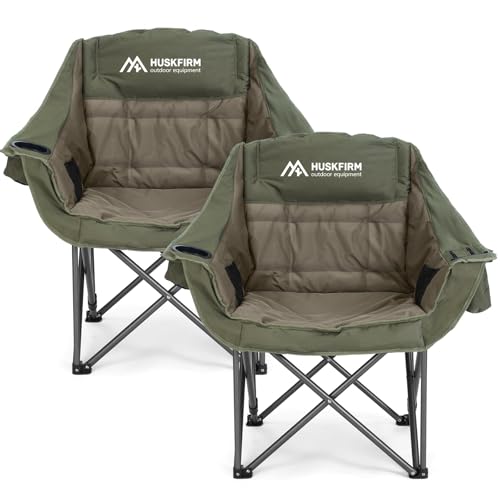
Comfortable Camping Chairs: The Complete Buyer's Guide
Discover how to choose a camping chair that supports your back, fits your body, and survives seasons of outdoor use. Compare frame types, fabrics, and features before you commit.
Why comfort matters at the campsite: A camping chair is not just a seat — it is your base of operations for meals, reading, stargazing, and recovering after a long hike. A poorly designed chair can leave you with a sore back and restless nights, while a well-chosen one makes every outdoor hour more enjoyable.
This guide walks you through the construction details that separate a genuinely comfortable camping chair from a basic folding seat. You will learn about frame materials, fabric durability, weight capacity, seat geometry, and portability trade-offs so you can match a chair to your body type and camping style.
What Makes a Camping Chair Genuinely Comfortable?
Comfort is not a single feature — it is the result of several design decisions working together. Before comparing models, understand these core elements:
- Seat width and depth: A wider seat (typically 20 to 25 inches) prevents pressure on the hips, while adequate depth supports the thighs without cutting off circulation behind the knees.
- Back height and angle: High-back chairs support the shoulders and neck, which matters for taller users and anyone who sits for long stretches. A slight recline reduces spinal load.
- Padding and fabric: Breathable mesh keeps you cool in summer, while padded polyester or oxford fabric adds cushioning. Look for double-stitched seams and reinforced stress points.
- Frame stability: A wide base and locking mechanisms prevent tipping on uneven ground. Powder-coated steel and aircraft-grade aluminum are the most reliable frame materials.
- Armrests: Padded armrests with cup holders reduce shoulder fatigue and give you a place to rest drinks or a book. Some models feature adjustable or flip-up armrests.
- Weight capacity: Always match the chair's rated capacity to the user. A chair rated well above the user's weight will feel more stable and last longer.
Camping Chair Frame Types Compared
The frame determines how a chair feels, how much it weighs, and how long it lasts. The table below compares the most common frame categories using universal quality tiers rather than absolute figures.
| Tier | Frame Material | Best For | Comfort Notes |
|---|---|---|---|
| Entry-level | Lightweight steel tubing | Occasional campers, short trips | Basic support; thinner padding; fine for casual use |
| Mid-range | Reinforced steel or aluminum alloy | Weekend campers, families | Better padding, wider seat, improved stability |
| Premium | Powder-coated aluminum or heavy-duty steel | Frequent campers, tall users | High back, padded armrests, solid build |
| Luxury | Oversized reinforced steel with anti-sway design | Base camps, long stays, larger users | Extra-wide seat, lumbar support, rocking or reclining options |
| Professional-grade | Commercial-grade steel and reinforced joints | Group camping, rental use, heavy users | Maximum stability, extended weight capacity, durable fabrics |
Key Features to Evaluate Before Buying
Once you understand the frame, the next step is evaluating the features that affect day-to-day comfort and convenience.
- Portability system: Chairs fold into a carry bag, a backpack-style sack, or a flat-fold design. Lightweight aluminum chairs pack smaller, but heavier steel chairs often feel more planted.
- Seat height: Standard camp chairs sit low (around 12 to 14 inches), while high-off-the-ground models (19 inches or more) are easier to get in and out of — a plus for older campers.
- Rocking or reclining mechanism: Rocking chairs and recliners add comfort but increase weight and complexity. Check that the locking mechanism is secure and easy to operate.
- Storage and cup holders: Side pockets, mesh pouches, and insulated cup holders keep essentials within reach and reduce trips back to the tent.
- Weather resistance: Fabrics with UV-resistant coating and water-repellent finishes hold up better in rain and sun. Rust-proof finishes on the frame prevent premature wear.
If you are also outfitting a patio or deck, you may find our guide to comfortable outdoor folding chairs with arms helpful for comparing similar seating principles in a backyard setting.
Matching the Chair to the Camper
The most comfortable camping chair for one person may be uncomfortable for another. Use these guidelines to match a chair to specific needs:
- For taller users: Prioritize a high back, a seat height of at least 19 inches, and a wide seat. Avoid low-slung chairs that force the knees upward.
- For heavier users: Choose a chair with a reinforced frame and a high weight capacity. Our guide to comfortable camping chairs for heavy persons covers reinforced models in more detail.
- For backpackers: Weight and packed size matter most. Look for compact aluminum chairs that still offer adequate back support.
- For families: Consider chairs with easy-clean fabrics, cup holders, and a stable base that works on grass, gravel, and sand.
Care Tips to Extend Chair Longevity
A comfortable camping chair stays comfortable only if it is maintained properly. Follow these habits to protect your investment:
- Wipe down the frame and fabric after each trip to remove dirt, sand, and moisture.
- Dry the chair fully before folding and storing it to prevent mildew and rust.
- Store the chair in its carry bag in a dry, shaded area rather than leaving it exposed to the elements.
- Inspect joints, rivets, and fabric seams periodically for wear, and retire the chair if the frame becomes unstable.
Frequently Asked Questions
What makes a camping chair comfortable?
Comfort comes from supportive seat width, adequate back height, breathable and padded fabric, a stable frame, and padded armrests. Weight capacity and seat height also play a major role in long-term comfort.
Are heavier camping chairs more comfortable?
Generally yes. Heavier chairs often use reinforced steel frames, thicker padding, and wider seats, which improve support and stability. However, lighter aluminum models can also be comfortable if they are well-engineered, so weight should be balanced against portability needs.
How much weight can a comfortable camping chair hold?
Weight capacities vary widely. Entry-level chairs often support around 250 pounds, mid-range models typically handle 300 to 350 pounds, and heavy-duty or professional-grade chairs can support 400 pounds or more. Always check the manufacturer's stated capacity before use.
What is the best camping chair for tall people?
Taller campers should look for chairs with a high back, a seat height of at least 19 inches, a wide seat, and an extended frame that supports the head and neck. High-back and oversized chairs are usually the best fit for taller users.
Ready to Compare Comfortable Camping Chairs?
Browse our curated selection of camp chairs by tier and feature set. Review the details, compare options, and choose the chair that fits your body and your camping style.