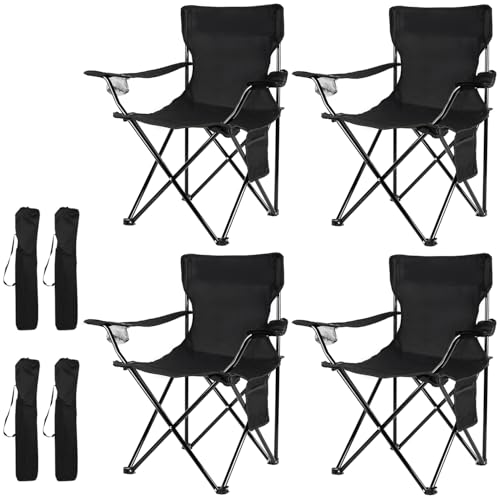
Cheap Camping Chairs: The Complete Buying Guide
Everything you need to know before choosing an entry-level camping chair — comfort, durability, portability, and the features that matter most for your outdoor adventures.
Compare FeaturesWhy this guide matters: If you've been searching for a reliable camping chair without paying for a luxury model, you're in the right place. Most campers don't need flagship-tier seating — they need a well-built chair that folds easily, supports their body weight, and survives seasons of use. This guide breaks down exactly what separates a solid entry-level chair from a flimsy one, so you can make an informed decision before checkout.
What Actually Matters in an Entry-Level Camping Chair
Camping chairs occupy a unique category: they must be light enough to carry, strong enough to support an adult comfortably, and durable enough to handle uneven ground, sun exposure, and occasional rain. When shopping at the entry-level and mid-range tiers, focus on these core attributes rather than marketing language.
- Frame material: Steel frames are heavier but extremely rigid; aluminum frames save weight and resist rust, making them a better fit for backpacking and frequent transport. High-grade steel with a rust-proof finish is a solid choice for car camping.
- Weight capacity: Always check the manufacturer's stated limit. Entry-level models commonly support around 250 pounds, while heavy-duty and reinforced options often reach 300–400 pounds. Choose a chair rated at least 20–30 pounds above your body weight for a safety margin.
- Fabric durability: Look for reinforced polyester or oxford cloth with double-stitched seams. Breathable mesh panels improve airflow on hot days but reduce weather resistance — a trade-off worth understanding.
- Packed size and weight: A chair that folds into a compact carry bag and weighs under 10 pounds is far more practical for festivals, car camping, and beach trips. Lightweight aluminum chairs in the mid-range tier often come in under 4 pounds.
- Stability: Wide feet, cross-brace legs, and a low center of gravity prevent tipping on soft or uneven ground. This is one of the most overlooked factors in entry-level chairs.
Camping Chair Comparison by Tier & Best Use
The table below groups camping chairs by their market position and intended use. Use it to match a chair to your specific camping style — no pricing information is needed to make a smart decision.
| Tier | Best For | Typical Frame | Key Strength |
|---|---|---|---|
| Essential tier | Occasional car camping, festivals | Steel folding frame | Simple, stable, easy to store |
| Entry-level | Weekend campers, backyard use | Powder-coated steel | Solid build with padded armrests |
| Mid-range | Frequent campers, beach trips | Aluminum alloy | Lightweight with rust-proof finish |
| Mid-tier (heavy-duty) | Larger adults, rugged terrain | Reinforced steel | High weight capacity, wider base |
| Premium | Backpacking, long treks | Lightweight aluminum | Compact packed size, efficient in the long run |
Types of Camping Chairs Worth Considering
Not every camping chair is built the same way. Understanding the main form factors helps you narrow down options quickly. If you're also outfitting a patio or deck, you may find useful context in our guides on comfortable camping chairs and comfortable camping chairs for heavier adults.
- Folding quad chairs: The most common design — a stable cross-frame with a carry bag. Ideal for general camping and outdoor events. See our broader collection of chairs for outside for related options.
- Rocking camping chairs: Curved base rails allow a gentle rocking motion. Popular for campfire evenings and relaxed lounging.
- Swivel and club chairs: Padded, wider seats that resemble patio lounge chairs. Heavier, but excellent for car camping comfort.
- Low-profile backpacking chairs: Ultra-compact and lightweight, often under three pounds. They trade some comfort for portability.
- Reclining camping chairs: Adjustable backrests for lounging and napping. Generally heavier and best suited for basecamp setups.
Comfort Factors Most Buyers Overlook
Comfort is not a luxury reserved for high-end tier chairs. Many entry-level and mid-range models deliver excellent ergonomics when you know what to check. Here are the details that separate a chair you'll love from one you'll regret.
- Seat height: Standard chairs sit around 17–19 inches off the ground, making them easy to stand up from. Lower chairs feel more relaxed but are harder to exit.
- Seat width: Look for at least 20 inches of seat width for general comfort. Wider seats in the mid-tier range accommodate larger body types comfortably.
- Back height: A taller backrest provides better lumbar support. Chairs with padded headrests add comfort for long sitting sessions.
- Armrests: Padded armrests reduce pressure on the forearms. Some models include cup holders — a small but genuinely useful feature for campers.
- Breathability: Mesh back panels keep you cool during summer camping, while solid fabric offers better insulation for cold-weather trips.
Durability and Weather Resistance
A camping chair should survive more than a single season. Durability comes down to construction quality and material choice — not brand hype. When evaluating options, prioritize these signals of solid build:
- Double-stitched seams: Stress points at the seat corners and armrests are the first failure points. Reinforced stitching extends the chair's lifespan significantly.
- Rust-resistant coating: Powder-coated steel or anodized aluminum resists corrosion from dew, rain, and coastal humidity.
- Wide, non-slip feet: Prevent sinking into soft ground and protect the frame ends from wear.
- UV-resistant fabric: Prolonged sun exposure weakens inexpensive fabrics. Look for UV-treated polyester for chairs that stay outdoors.
- Weight capacity margin: A chair rated well above your body weight will experience less stress and last longer.
Portability: Matching the Chair to Your Trip
Portability requirements vary dramatically between campers. A car camper can afford a heavier, more comfortable chair, while a backpacker needs every ounce to count. Consider your typical use case before choosing:
- Car camping and festivals: Prioritize comfort and stability over weight. A heavier steel-frame chair with padded armrests is a practical choice.
- Beach and park visits: Choose lightweight aluminum chairs with wide feet to prevent sinking into sand. Low-profile designs are easier to carry.
- Backpacking and hiking: Look for compact chairs under 3 pounds with a small packed size. These sit in the mid-range and premium tiers but are worthwhile investments for frequent trekkers.
- Motorcycle and bicycle camping: A compact carry bag and a frame that folds flat are essential.
If you're planning a broader outdoor setup, our guides on lawn chairs and outdoor chairs cover related seating options for yards and patios.
Common Buying Mistakes to Avoid
Even experienced campers occasionally overlook basic details. Avoiding these common pitfalls will save you from returning a chair after its first trip.
- Ignoring the weight capacity: Always check the manufacturer's stated limit — never assume a chair will support you safely just because it looks sturdy.
- Underestimating packed size: A chair that's awkward to carry will stay in the car. Check the packed dimensions before buying.
- Overlooking fabric quality: Thin fabric tears at the seams under stress. Reinforced oxford cloth is a reliable benchmark.
- Skipping the stability check: Narrow bases tip easily on uneven ground. Wider feet and cross-braced legs improve safety.
- Buying without reading reviews: Real-world feedback on durability and comfort is far more reliable than product descriptions.
How to Choose the Right Camping Chair for You
Use this simple decision framework to narrow down your options quickly:
- Step 1 — Define your use case: Car camping, beach trips, backpacking, or backyard lounging. Each demands a different balance of weight, comfort, and durability.
- Step 2 — Set a weight capacity target: Choose a chair rated at least 20–30 pounds above your body weight for safety and longevity.
- Step 3 — Decide on frame material: Steel for stability and car camping; aluminum for portability and rust resistance.
- Step 4 — Check packed dimensions: Confirm the folded size fits your vehicle, backpack, or storage space.
- Step 5 — Review comfort features: Padded armrests, a tall backrest, and breathable mesh make long sitting sessions far more enjoyable.
Ready to Equip Your Next Camping Trip?
Explore our curated selection of camping chairs below. Every option is chosen for solid build quality, practical comfort, and dependable performance in the field.
View Recommended ChairsFrequently Asked Questions
What should I look for in an entry-level camping chair?
Focus on frame material, weight capacity, packed size, and fabric durability. A sturdy steel or aluminum frame, a weight capacity that exceeds your needs, and a compact carry bag are key indicators of a well-specified entry-level camping chair.
Are inexpensive camping chairs comfortable?
Yes, many entry-level and mid-range camping chairs offer solid comfort with padded armrests, breathable mesh backs, and supportive seating. Comfort depends more on design and ergonomics than on tier alone.
How much weight can an entry-level camping chair hold?
Weight capacities vary widely. Entry-level models typically support around 250 pounds, while mid-range and heavy-duty options often support 300 to 400 pounds or more. Always check the manufacturer's stated capacity before purchase.
Can these chairs be used for car camping and backpacking?
Many entry-level camping chairs are ideal for car camping and festival use. For backpacking, look for lightweight aluminum models under three pounds, which fall into the mid-range tier but remain efficient in the long run for portability.
What is the difference between steel and aluminum camping chairs?
Steel frames are heavier but very rigid and stable, making them ideal for car camping. Aluminum frames are lighter and resist rust, which makes them better suited for backpacking and frequent transport. Both can offer durable construction when properly coated.
Explore Related Outdoor Seating Guides
Looking beyond camping chairs? These related guides cover complementary seating and outdoor essentials: