Chaise Loungers: Your Complete Outdoor Relaxation Buying Guide
Everything you need to know before choosing a chaise lounger — frame materials, adjustable positions, cushion options, and space planning. Research first, relax better.
Explore Recommended OptionsWhat Exactly Is a Chaise Lounger?
A chaise lounger is a long, reclining outdoor seat designed to support the entire body — from head to heels — in a stretched-out position. Unlike a standard patio chair, the seat extends far enough to rest your legs, and the backrest typically adjusts through multiple angles, from fully upright to nearly flat. This makes chaise loungers a natural fit for poolside decks, sunbathing areas, and quiet reading corners on a patio.
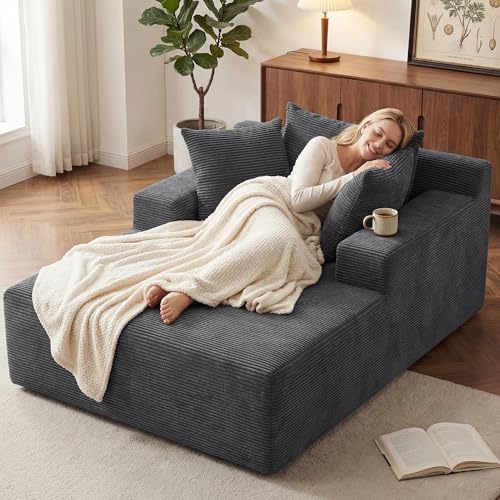
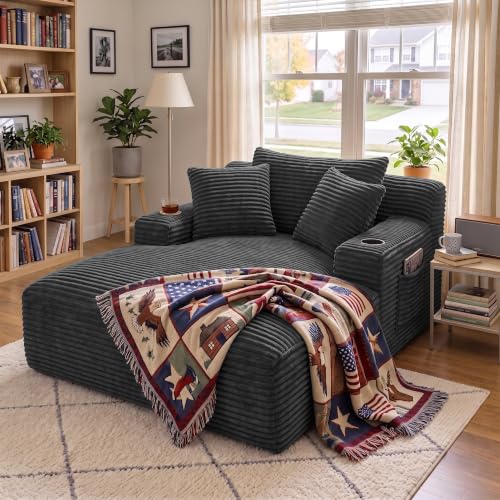
The category overlaps with a few related pieces. A chaise lounge chair for outdoor use emphasizes portability and weather resistance, while a chaise lounge with ottoman adds an extension piece for even more legroom. If you want built-in storage for cushions or towels, a chaise lounge with storage solves that problem elegantly. And if you prefer a more enclosed, indoor-style feel, a chaise lounge for the living room follows the same reclining logic but with upholstery suited to indoor use.
The Main Types of Chaise Loungers
Chaise loungers are usually grouped by how they adjust and where they are meant to live. Understanding these categories helps you narrow the field quickly.
Fixed-Position Loungers
Simple frames with a single recline angle. Best for occasional use, guest seating, or a secondary spot on a small balcony. Lightweight and easy to move.
Multi-Position Adjustable
The most common category. Backrest locks into several angles using notches, a ratchet, or a friction hinge. A solid balance of comfort and durability for daily use.
Full Recline with Footrest
Independent backrest and leg sections that can flatten completely. Ideal for sunbathing and napping. Typically built with heavier frames and smoother mechanisms.
Double or Oversized Loungers
Wide enough for two adults or one person who wants generous space. Often paired with thick cushions and integrated side tables. A statement piece for large patios.
Frame Materials: What Lasts Outdoors
The frame determines how long a chaise lounger survives sun, rain, and seasonal temperature swings. Each material has a distinct personality.
- Aluminum: Lightweight, rust-proof, and easy to reposition. Powder-coated aluminum is the most common mid-range and premium choice because it resists corrosion without needing regular oiling.
- Steel and wrought iron: Heavy-duty and stable, especially in windy areas. Look for a rust-proof finish or galvanized coating; untreated steel will corrode over time. These frames pair well with chair cushions for wrought iron patio furniture.
- Teak and hardwood: Naturally weather-resistant and warm to the touch. Teak develops a silver patina if left untreated, or can be oiled to keep its honey tone. A worthwhile long-term investment for a permanent lounging spot.
- Resin and composite: Entry-level to mid-range options that resist moisture and require almost no maintenance. Modern composites can mimic wood grain convincingly.
- Wicker and rattan: Synthetic wicker over an aluminum frame offers a softer, more decorative look. It suits coastal and bohemian patios but needs a cover during harsh winters.
Comfort and Adjustability: What to Check Before Buying
A chaise lounger should feel natural the moment you sit down. Recline mechanisms vary widely, and small design details make a big difference over years of use.
- Recline mechanism: Ratchet systems click into distinct positions and are easy to operate with one hand. Friction hinges offer infinite adjustment but can loosen over time. Notch-and-pin systems are the simplest and most durable.
- Backrest height: Taller backrests support the head and neck better for reading. Shorter backrests are easier to climb out of and suit casual lounging.
- Cushion thickness: A chaise lounge pad adds comfort without changing the frame. Look for quick-dry foam and removable, washable covers. Thicker pads suit full recline; thinner pads suit upright positions.
- Armrests and side tables: Some loungers include integrated armrests or flip-up side trays for drinks and books. These are convenient but add weight.
- Weight capacity and stability: Check the frame's rated load and the width of the feet. Wider feet distribute weight better on soft lawns and composite decks.
- Mobility: Wheels on the rear legs make it easy to chase the sun across a large patio. Fixed legs are more stable but harder to reposition.
Comparing Chaise Lounger Tiers at a Glance
Use this tier-based comparison to match a lounger to your usage pattern. The descriptors reflect market position and construction quality, not any specific figure.
| Tier | Best For | Frame & Mechanism | Cushion Support |
|---|---|---|---|
| Entry-Level | Occasional use, balconies, guest seating | Lightweight resin or basic aluminum; fixed or 2–3 position recline | Thin pad or no cushion |
| Mid-Range | Daily family use, poolside decks | Powder-coated aluminum or composite; multi-position ratchet | Removable quick-dry pad |
| Premium | Sunbathing, full-body relaxation | Heavy-duty aluminum or teak; full recline with footrest | Thick quick-dry cushion, washable cover |
| Luxury | Large patios, resort-style setups | Solid hardwood or reinforced aluminum; double-width frame | Plush multi-layer cushion with ties |
Sizing and Layout: Making Room for Loungers
Chaise loungers occupy more floor space than dining chairs because they extend horizontally. A single lounger typically needs about two feet of clearance on each side and enough room behind the backrest to recline fully. Before ordering, measure the depth of your patio and mark the footprint with painter's tape to visualize the layout.
For small spaces, a comfy outdoor chair for small spaces or a chair for a balcony may work better than a full-length lounger. If you have a narrow strip of deck, consider a large chaise lounge only if you can spare the depth; otherwise, a compact adjustable lounger is the smarter fit. Pair loungers with a weather-resistant outdoor rug to visually anchor the zone and keep the layout feeling intentional.
Care and Maintenance for Long-Term Use
Chaise loungers live outdoors, so a simple maintenance routine keeps them comfortable and structurally sound season after season.
- Rinse aluminum and composite frames with mild soap and water monthly; avoid abrasive pads that scratch powder coating.
- Oil teak and hardwood once or twice a year if you want to preserve the original tone, or let it weather naturally.
- Store cushions indoors or in a cushion storage solution during heavy rain and winter months.
- Lubricate recline hinges and ratchets annually with a silicone spray to keep adjustment smooth.
- Use a fitted cover during off-season months to protect against UV fading and debris buildup. For broader guidance, see our weatherproofing guide.
- Check bolts and joints at the start of each season and tighten as needed.
Frequently Asked Questions
How many chaise loungers fit on a typical patio?
A standard patio of about 10 by 12 feet comfortably fits two chaise loungers side by side with a small side table between them. Leave at least 24 inches of walking space behind the fully reclined position. For larger decks, a double lounger can replace two singles and free up floor area.
Are chaise loungers comfortable without cushions?
It depends on the sling or frame design. Contoured sling seats can be comfortable for short sessions, but long lounging benefits from a quick-dry pad. If you prefer a cushion-free look, look for a comfortable chaise lounge with an ergonomic curve and breathable sling fabric.
Can chaise loungers stay outside year-round?
Aluminum, teak, and high-grade composite frames can stay outdoors in most climates. Cushions and pads should be brought inside or covered during prolonged rain and freezing temperatures. In coastal areas, rinse frames more often to remove salt residue.
What is the difference between a chaise lounger and a chaise longue?
In everyday outdoor furniture language, the terms are used interchangeably. Both describe a long reclining seat. "Chaise longue" is the original French term, while "chaise lounger" is the common English outdoor variant.
Should I choose a single or double chaise lounger?
Choose a single if you want flexibility to rearrange seating or if your patio is compact. Choose a double if you regularly lounge with a partner and want a fixed centerpiece. Double loungers are heavier and harder to reposition, so consider wheels if you plan to move it often.
Ready to Pick Your Lounger?
You now have a clear framework: match the frame material to your climate, choose a recline mechanism that suits your daily routine, and confirm the footprint fits your space. Scroll down to browse recommended chaise loungers selected for outdoor durability and comfort.