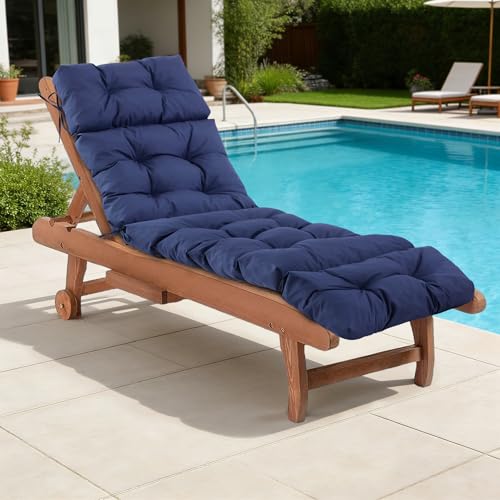
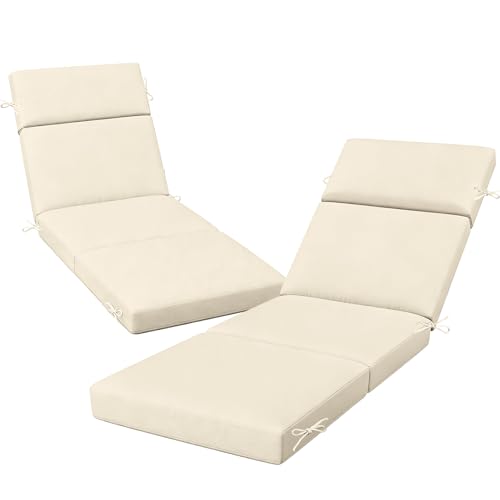
Chaise Lounge Pad: The Complete Buying Guide
Everything you need to choose a comfortable, durable, and well-fitting chaise lounge pad — from fill types and fabrics to sizing, attachment, and long-term care.
START THE GUIDEWhy the pad matters more than you think: A chaise lounge is only as comfortable as the pad that sits on it. The right chaise lounge pad transforms a bare metal or wood frame into a cushioned retreat, protects the frame's surface from sun and moisture, and adds the visual finish that ties your patio together. This guide walks you through every decision — size, fill, fabric, attachment, and maintenance — so you can buy once and enjoy your lounger for years.
What Is a Chaise Lounge Pad?
A chaise lounge pad is a long, contoured cushion designed to rest on the full length of a chaise lounge — covering both the seat and the reclining backrest. Unlike a simple seat cushion, it typically follows the angle of the frame, often with a hinged or segmented design that allows the pad to bend as the backrest adjusts. Many pads extend over the leg rest area as well, giving continuous comfort from head to heel.
Pads are available in two broad formats: one-piece full-length pads that cover the entire lounger, and sectional pads sold as separate seat and back cushions. One-piece pads offer a cleaner look and fewer gaps; sectional pads are easier to rotate, replace individually, and wash. Your choice depends on how your chaise reclines and how much maintenance you want to manage.
If you are still deciding on the lounger itself, our guide to outdoor chaise lounge chairs covers frame materials and reclining mechanisms, while chaise loungers explains the differences between poolside, deck, and balcony styles. Choosing the pad is easier once you know the frame you are working with.
Getting the Fit Right: Sizing and Shape
Fit is the single most common source of disappointment with chaise pads. A pad that is too short leaves the leg rest bare; one that is too wide bunches at the arms or droops over the sides. Before shopping, measure carefully and compare against the pad's listed dimensions — not the lounger's marketing name.
- Measure the full length from the top of the backrest to the end of the leg rest, with the lounger laid flat if possible.
- Measure the width at the seat, the backrest, and the leg rest separately — many frames taper toward the foot.
- Note the hinge or fold point if the backrest reclines; a pad with a matching hinge will bend cleanly instead of straining at the seams.
- Check for arms and side rails that reduce usable width, especially on wooden loungers with wide armrests.
- Account for thickness — a thick pad on a low-profile frame can raise the seat height noticeably and affect how easily you get in and out.
Standard chaise pads generally fall into a few size families: compact pads for balcony and two-position loungers, standard full-length pads for typical poolside chaises, and oversized pads for wide resort-style frames. If your frame is unusually large or small, look for brands that publish a full dimension chart or offer custom sizing. Our comfortable chaise lounge guide also discusses how pad thickness interacts with frame geometry.
Fill Types and Comfort Tiers
The filling determines how a pad feels on day one and how it holds up after a season of use. Outdoor pads are generally classified into three market tiers, each with a distinct construction approach.
Fiber Fill
Soft and plush out of the box, with a light, pillow-like feel. Fiber-filled pads are the simplest construction and suit occasional use on balconies or guest seating. Expect them to compress and need fluffing over time.
Foam-Fiber Blend
A foam core wrapped in fiber combines supportive structure with a soft surface. This is the balanced tier for daily outdoor use — it resists flattening better than fiber alone while staying comfortable for long lounging sessions.
High-Density Foam
Dense, shape-retaining foam with a tailored cover. Premium pads hold their profile season after season, feel firmer and more supportive, and are the best match for heavy daily use and large loungers.
Beyond the core fill, look at how the pad is finished. Box-edge construction with piped seams holds its shape better than a simple sewn pillow edge. Zippered covers make cleaning far easier, and a non-slip base or textured underside reduces sliding. For loungers used by heavier adults or shared by the whole family, a firmer high-density pad is usually the more comfortable long-term choice — our comfy lounger guide explores this in more depth.
Fabric, Weather Resistance, and Color
Outdoor pads live in harsh conditions: direct sun, humidity, rain, and chlorinated pool splash. The cover fabric is your first line of defense. Solution-dyed acrylic and olefin are the most common outdoor fabrics — both resist fading and moisture reasonably well, with acrylic generally holding color longer under intense sun. Polyester covers are common in entry-level pads; they are serviceable but tend to fade and degrade faster with constant exposure.
- Water-resistant vs. waterproof: water-resistant fabrics repel light rain and dry quickly; fully waterproof covers trap moisture inside if water enters through seams, so proper drying matters.
- UV resistance: look for fabrics described as fade-resistant or UV-stabilized, especially if the lounger sits in full sun all day.
- Breathability: breathable covers reduce mildew risk in humid climates and dry faster after rain.
- Color choice: light neutrals stay cooler to the touch in strong sun; dark colors absorb heat and can feel uncomfortably warm on bare skin.
No pad is truly maintenance-free outdoors. Even weather-resistant covers benefit from being brought inside during storms and stored in a dry, ventilated space during the off-season. Pairing your pad with a quality lounger cover extends the life of both. Our outdoor care section covers broader weatherproofing strategies for patio furniture.
Attachment, Stability, and Safety
A chaise pad that slides or flaps in the wind is both annoying and a slipping hazard. Check how the pad secures to your frame:
- Tie straps: the most common and versatile option; look for reinforced loops and adjustable ties rather than thin strings.
- Elastic bands or hook-and-loop straps: faster to attach and harder for the wind to loosen, but less adjustable across different frame shapes.
- Non-slip backing: a textured or grip-dot underside adds friction against the frame and reduces sliding when you recline.
- Weight and drape: heavier pads stay put better; very light fiber pads on smooth metal frames are the most prone to shifting.
If your lounger has a smooth powder-coated or aluminum frame, a non-slip backing plus ties is the most reliable combination. On wooden frames, ties looped around the side rails work well. Always check that the pad does not obscure the reclining mechanism or pinch at the hinge point.
Quick Comparison by Tier
| Category | Best For | Typical Fill | Durability Outlook | Maintenance Level |
|---|---|---|---|---|
| Entry-Level | Occasional use, balconies, guest seating | Fiber fill | Moderate; compresses over time | Low complexity, but frequent fluffing |
| Mid-Range | Daily family use, standard poolside chaises | Foam-fiber blend | Good; holds shape for multiple seasons | Spot cleaning, seasonal storage |
| Premium | Heavy daily use, large loungers, shared seating | High-density foam | Excellent; shape-retaining construction | Spot cleaning, removable covers |
| Luxury / Commercial-Grade | Resort-style setups, full-sun exposure, hospitality | High-density foam with tailored cover | Superior; built for continuous exposure | Structured care routine recommended |
How to Choose: A Step-by-Step Approach
- Confirm your lounger type. Is it a flat chaise, a multi-position recliner, or a curved contour lounger? The pad must follow the frame's shape and fold points.
- Measure twice. Record full length, width at seat and foot, and hinge position. Compare with the pad's dimension chart before ordering.
- Pick your comfort tier. Occasional use can suit an entry-level fiber pad; daily use and larger frames call for mid-range or premium foam construction.
- Match the fabric to your climate. Full sun and humidity favor solution-dyed acrylic and UV-stabilized covers; shaded porches are more forgiving.
- Check the attachment system. Ties plus non-slip backing are the safest bet on smooth frames; elastic straps work well on wooden rails.
- Plan for care. Choose removable, washable covers if easy maintenance matters. Store the pad indoors during storms and the off-season.
If you are outfitting a single lounger for a small balcony, a compact mid-range pad with ties is usually the simplest solution. For a pool deck with several loungers, consistency in fabric and color across pads makes the whole space look intentional. Our large chaise lounge guide is useful if you are working with an oversized frame that needs a longer pad.
Care and Maintenance for Longevity
A chaise lounge pad is an investment in comfort, and a modest care routine keeps it looking and feeling good for years:
- Brush off debris weekly — leaves, pollen, and sand work into seams and accelerate wear.
- Spot-clean promptly with mild soap and water; rinse thoroughly and air-dry completely before replacing on the frame.
- Read the care label before machine washing — removable covers vary from gentle machine wash to hand-wash only.
- Dry fully on both sides after rain or cleaning to prevent mildew inside the filling.
- Store indoors or in a dry, ventilated space during off-season months and severe weather.
- Rotate the pad periodically if your lounger is used from the same side, to even out compression and sun exposure.
For deeper cleaning techniques and seasonal routines, see our weatherproofing guide and the broader outdoor care resources. If you also maintain wooden frames, our notes on cleaning weathered teak outdoor furniture are a useful companion read.
Common Buying Mistakes to Avoid
- Buying by lounger name instead of measurements. “Standard” sizing varies between brands — always check the actual dimensions.
- Choosing a pad that is too thick for the frame. Oversized thickness can raise seat height and interfere with the reclining hinge.
- Ignoring the attachment system. A beautiful pad that slides off in the wind is a daily frustration.
- Overlooking the climate. A fabric that performs well in a shaded porch may fade quickly in full afternoon sun.
- Skipping the care plan. Even premium pads degrade faster without basic cleaning and seasonal storage.
Frequently Asked Questions
How do I measure for a chaise lounge pad?
What is the best filling for a chaise lounge pad?
Can I leave a chaise lounge pad outside in the rain?
How do I clean a chaise lounge pad?
Should a chaise lounge pad have ties or straps?
Ready to Upgrade Your Lounger?
Explore our recommended chaise lounge pads below and match the right fill, fabric, and fit to your outdoor space.
VIEW RECOMMENDED PADS