Cleaning Weathered Teak Outdoor Furniture: A Complete Restoration Guide
Learn how to safely clean, brighten, and protect weathered teak so your outdoor furniture keeps its beauty and structural integrity for many seasons.
Teak is one of the most trusted woods for outdoor furniture because of its natural oils and dense grain. Over time, however, even the best teak will turn from a warm golden honey into a silvery-gray patina. That gray surface is not damage; it is the wood's natural response to sun and rain. Still, many homeowners want to know whether they can bring back the original tone without harming the timber. The answer is yes, provided you follow the right sequence and avoid aggressive methods.
This guide walks you through the full process, from assessing the condition of your pieces to choosing the right cleaning approach for your tier of furniture. Whether you own entry-level teak pieces or a premium set that has been in the family for years, the principles are the same: clean gently, rinse thoroughly, and protect thoughtfully. If you are also maintaining other wood pieces on your patio, our cedar outdoor furniture care guide is a useful companion read.
Quick answer: Weathered teak can be cleaned with a soft brush, mild soap, and plenty of water. For deeper restoration, use a dedicated two-part teak cleaner followed by a brightener. Avoid pressure washing and harsh bleach solutions, which damage the grain and weaken joints over time.
Why Teak Weathers and What the Gray Layer Means
Fresh teak contains natural oils that protect it from moisture and insects. When those oils are gradually washed away by rain and broken down by UV light, the surface fibers oxidize and turn gray. This patina is a sign that the wood is still healthy, not that it is rotting. In fact, many designers prefer the silvery look for a relaxed, coastal aesthetic, as seen in our coastal patio design ideas.
The gray layer does, however, make the surface more porous. Dirt, pollen, and mildew can settle into the fibers more easily. That is why regular cleaning matters even if you like the weathered look. If you want to keep the gray tone, a gentle wash once or twice a season is enough. If you want to restore the original golden color, you will need to remove the oxidized layer and then protect the wood.
How to Assess Your Furniture Before Cleaning
Before you pick up a brush, take a few minutes to inspect each piece. This step helps you choose the right level of intervention and avoid unnecessary work.
- Check for structural issues: Look for loose joints, cracks, or soft spots. If the wood feels spongy, it may have internal rot and needs professional attention before cleaning.
- Identify the finish: Some teak furniture is sold with a factory oil or sealer. If water beads on the surface, there is still a protective layer. If water soaks in immediately, the wood is bare and weathered.
- Look for mildew: Black or green spots indicate mildew growth, which needs a slightly different approach than plain gray patina.
- Note metal fittings: Stainless steel or brass hardware should be protected from strong cleaners. If you have a piece with iron fittings, check our notes on rust removal tips (ensure the link is valid; if not, treat as plain text).
The Step-by-Step Cleaning Process
The following sequence works for most weathered teak pieces, from a simple side table to a full dining set. Work in sections and avoid letting cleaning solutions dry on the surface.
Step 1: Remove Loose Dirt and Debris
Use a soft-bristle brush or a dry microfiber cloth to sweep away leaves, dust, and cobwebs. Pay attention to crevices and joints where debris collects. Rinse the furniture with a garden hose to loosen surface dirt. Do not use a pressure washer; high pressure forces water into the grain and can erode the softer fibers between the growth rings.
Step 2: Apply a Mild Soap Solution
Mix a few drops of mild dish soap into a bucket of warm water. Apply the solution with a soft brush or sponge, working in the direction of the grain. Scrub gently; you are lifting dirt, not sanding the wood. For stubborn spots, let the soapy water sit for a few minutes before scrubbing again. Rinse thoroughly with clean water.
Step 3: Use a Two-Part Teak Cleaner for Deep Restoration
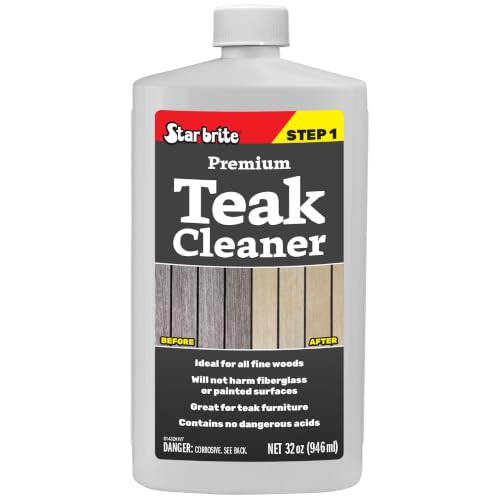
If the gray layer is thick or the wood has not been cleaned in several seasons, a dedicated two-part teak cleaner is the most effective option. Part A (the cleaner) lifts dirt and oxidized fibers; Part B (the brightener) neutralizes the wood and restores a more even tone. Apply Part A with a brush, let it work for the recommended time, then rinse. Follow with Part B, rinse again, and allow the furniture to dry completely in the shade.
Step 4: Address Mildew Safely
For mildew, a solution of one part white vinegar to three parts water is usually sufficient. Spray the affected areas, let it sit for 10–15 minutes, then scrub gently and rinse. Avoid chlorine bleach, which can break down the wood fibers and leave a residue that attracts more dirt. If the mildew is deep, a commercial teak cleaner with mildew-fighting properties is a better choice.
Step 5: Dry and Protect
Let the furniture dry completely in a shaded, well-ventilated area. Once dry, decide whether to apply a teak sealer or oil. A sealer creates a protective barrier and helps maintain the golden tone; an oil penetrates the wood and enhances its natural color. Both need reapplication every few months, depending on exposure. If you prefer the weathered gray look, you can skip this step and simply clean regularly.
Choosing the Right Products for Your Teak Tier
Teak furniture comes in a range of market tiers, and the right cleaning approach can vary slightly depending on the construction and finish. Use these descriptors as a guide.
- Entry-level teak: Often made with thinner stock and simpler joinery. Gentle cleaning with mild soap and a soft brush is usually enough. Avoid aggressive scrubbing, which can raise the grain.
- Mid-range teak: Typically features solid construction and may come with a factory finish. A two-part cleaner used once a season keeps it looking fresh. Check the manufacturer's guidance on sealers.
- Premium teak: Thicker stock, tight joinery, and often sustainably sourced. These pieces respond well to annual deep cleaning and a quality sealer. The long-term investment pays off when the furniture is maintained consistently.
- Luxury or commercial-grade teak: Found in high-end resorts and fine outdoor dining sets. These pieces often benefit from professional-grade cleaners and a structured maintenance schedule. If you are caring for commercial-grade furniture, consider consulting a specialist for periodic restoration.
Common Mistakes to Avoid
Even well-intentioned cleaning can shorten the life of teak furniture. Watch out for these pitfalls:
- Pressure washing: High-pressure water erodes the soft grain and forces moisture into joints, leading to cracks and rot.
- Bleach-based cleaners: Chlorine bleach damages wood fibers and can leave a sticky residue that attracts dirt.
- Steel wool or harsh abrasives: These scratch the surface and remove more material than necessary. Stick with soft brushes or synthetic pads.
- Cleaning in direct sunlight: Solutions dry too quickly, leaving streaks and reducing effectiveness. Work in the shade.
- Skipping the rinse: Soap residue attracts dirt and can dull the finish. Rinse thoroughly after every cleaning step.
Seasonal Maintenance Schedule
A simple routine keeps teak in good shape year-round:
- Monthly during peak season: Rinse with water and wipe down with a damp cloth. Check for mildew spots.
- Start of the season: Deep clean with a two-part cleaner if the wood is gray or dirty. Apply sealer or oil if desired.
- End of the season: Clean thoroughly and cover the furniture or store it in a dry place. If you need storage ideas, see our guide on cushion storage solutions (ensure valid; otherwise plain text).
For additional general guidance on protecting outdoor furniture from the elements, our weatherproofing guide covers covers, sealants, and seasonal care. If you are also maintaining other wood pieces, such as a cedar potting bench, the same gentle cleaning principles apply.
Frequently Asked Questions
Can I use a pressure washer on weathered teak?
No. Pressure washing damages the wood grain, forces water into joints, and can lead to rot. Use a garden hose and a soft brush instead.
How often should I clean teak furniture?
A light rinse once a month during the outdoor season is ideal. A deeper clean with a teak cleaner once or twice a year keeps the wood in good condition.
Will cleaning remove the gray patina permanently?
A two-part cleaner will remove the gray layer and restore the golden tone. Over time, the gray will return unless you apply a sealer and keep up with maintenance.
Is it okay to leave teak furniture uncovered?
Teak is durable and can stay outdoors, but covering it during harsh weather extends its life. If you prefer to leave it uncovered, regular cleaning and occasional sealing are recommended.
With the right approach, weathered teak can be restored to its former beauty and protected for years to come. Take your time, use gentle products, and enjoy the process of caring for a material that rewards good stewardship.