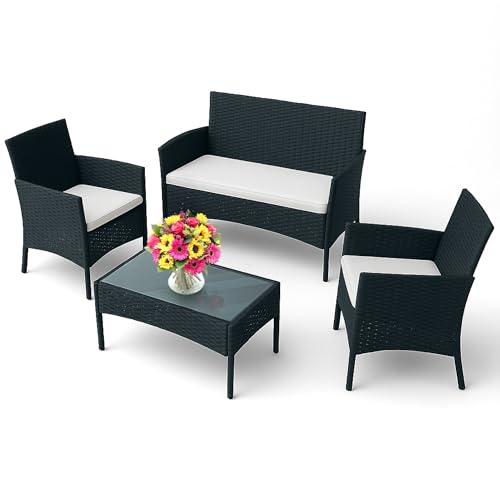
Entry-Level Patio Furniture: A Smart Buyer's Guide
Discover how to furnish your outdoor space with well-built, weather-resistant pieces from the starter tier without compromising on comfort, style, or long-term durability.
Start Your ResearchPatioFocus Philosophy: Entry-level patio furniture does not have to mean poor quality. With the right material choices and a clear understanding of what matters most, you can create a comfortable, attractive outdoor space that holds up season after season. This guide walks you through the research phase so you can buy with confidence.
Understanding the Entry-Level Tier
The outdoor furniture market broadly divides into three tiers: entry-level, mid-range, and premium. The entry-level tier focuses on essential functionality, straightforward construction, and materials that offer dependable performance for typical residential use. These pieces are designed for homeowners who want to furnish a patio, balcony, or deck without committing to the higher tiers reserved for commercial-grade or heavy-duty applications.
What distinguishes a well-chosen entry-level piece from a poorly made one is not a single feature but the combination of material quality, joinery, coating, and warranty support. A starter-tier aluminum chair with a rust-proof finish can outlast a mid-range plastic model if it is properly maintained and suited to its environment. The key is knowing which specifications to prioritize.
Materials That Deliver Solid Value
Material selection is the single most important decision in the entry-level tier. Each material carries distinct trade-offs in weight, maintenance, comfort, and weather resistance. Understanding these characteristics helps you match the furniture to your climate and usage patterns.
Aluminum and Steel Frames
Powder-coated aluminum is widely regarded as the most practical frame material for starter-tier patio furniture. It resists rust naturally, stays lightweight enough to move easily, and accepts durable powder coatings in a range of colors. High-grade steel frames offer greater weight capacity but require a rust-proof finish to perform well outdoors. When evaluating metal furniture, check the coating thickness and look for reinforced weld points at stress junctions.
Resin and Plastic
Resin wicker and molded plastic remain popular at the entry level because they are lightweight, weather-resistant, and easy to clean. The trade-off is that lower-grade plastics can become brittle under prolonged UV exposure. Look for high-density polyethylene (HDPE) resin and UV-stabilized plastic, which hold their color and flexibility far longer than standard alternatives.
Wood and Composite
Wood furniture brings warmth and a natural aesthetic that many homeowners prefer. Cedar and acacia are common in the entry-level tier because they are naturally rot-resistant, though both benefit from periodic sealing. Composite materials, which blend wood fibers with plastic, offer the look of wood with lower maintenance requirements and consistent weather resistance. Composite Adirondack chairs are a reliable option for those who want a classic silhouette with modern durability.
Fabric and Cushions
Cushion quality often separates a comfortable set from one that feels stiff and unwelcoming. At the entry level, look for olefin or solution-dyed polyester fabrics, which resist fading and mildew better than standard cotton blends. Quick-dry foam cores prevent water retention and reduce the risk of mold. If your furniture uses separate cushions, investing in quality replacement cushions can extend the life of the entire set.
Matching Furniture to Your Space
The best entry-level furniture is the furniture that fits your actual outdoor area. A large sectional may overwhelm a compact balcony, while a bistro set can feel lost on a spacious deck. Before shopping, measure your space carefully and account for walkways, door swing clearance, and shade structures.
For smaller areas, folding chairs and compact bistro tables offer flexibility without sacrificing function. For family-friendly spaces, consider durable picnic tables and benches that can handle daily use. Homeowners with a fire pit often prioritize chairs with heat-resistant frames and easy-to-clean surfaces. If you entertain frequently, a high-top table set can make better use of vertical space and encourage conversation.
It is also worth thinking about how furniture will be stored during the off-season. Stackable chairs, folding tables, and lightweight frames simplify winter storage and reduce the wear caused by prolonged exposure to harsh weather.
Key Features to Compare
When comparing entry-level patio furniture, focus on the features that affect daily use and long-term durability rather than superficial extras. The following criteria provide a practical framework:
- Frame construction: Look for reinforced joints, welded or bolted connections, and consistent coating coverage. Thin frames with visible seams are more prone to early failure.
- Weight capacity: Check the stated load rating for chairs and benches. A higher capacity often signals a sturdier build even within the starter tier.
- Weather resistance: Rust-proof finishes, UV-stabilized materials, and water-repellent fabrics are essential for outdoor use in any climate.
- Assembly requirements: Some entry-level sets ship flat-packed and require significant assembly. Review the instructions and hardware quality before committing.
- Warranty coverage: A meaningful warranty on frames and coatings indicates the manufacturer's confidence in the product's longevity.
- Maintenance needs: Low-maintenance materials such as aluminum and composite reduce the time you spend on upkeep, which matters for busy households.
Smart Strategies for the Starter Tier
Buying well in the entry-level tier is about prioritizing the pieces you use most and accepting thoughtful compromises on secondary items. Seating and dining surfaces deserve the most attention because they bear the most weight and see the most use. Decorative accents, side tables, and planters can be sourced more flexibly without affecting the overall experience.
Another effective approach is to build your outdoor space in stages. Start with a core seating arrangement and a table, then add shade, lighting, and storage as your needs become clearer. This incremental strategy lets you observe how your space is actually used before investing in additional pieces.
Finally, consider the long-term cost of ownership rather than the initial outlay alone. A well-specified entry-level aluminum set with a rust-proof finish and replaceable cushions will often deliver better long-term value than a marginally less costly set that requires early replacement. When comparing tiers, the mid-range option typically offers smoother mechanisms and thicker frames, but a carefully chosen entry-level piece can remain competitive within its class for many seasons.
Care and Maintenance Basics
Proper care extends the life of any outdoor furniture, regardless of tier. Rinse metal frames periodically to remove dust and pollen, and dry them thoroughly to prevent water spots. Clean cushions according to the manufacturer's instructions and store them during extended periods of disuse. For wood and composite pieces, apply a protective sealant as recommended to maintain water resistance and color.
During winter or the rainy season, use furniture covers or move lightweight pieces into a shed or garage. Even weather-resistant furniture benefits from reduced exposure to prolonged moisture and freezing temperatures. Regular inspection of fasteners, welds, and coating integrity allows you to address small issues before they become structural problems.
Common Questions Answered
Is entry-level patio furniture durable enough for year-round outdoor use?
Yes, provided the materials are suited to your climate and maintained properly. Powder-coated aluminum, HDPE resin, and composite materials are designed for outdoor exposure. In regions with harsh winters, storing or covering furniture during the coldest months will significantly extend its lifespan.
Which material is best for a starter-tier patio set?
Powder-coated aluminum is generally the most versatile choice because it resists rust, remains lightweight, and accepts durable finishes. Composite and HDPE resin are excellent alternatives for those who prefer a wood-like appearance or want minimal maintenance.
How can I make entry-level furniture last longer?
Clean it regularly, use covers during extended disuse, tighten fasteners as needed, and store cushions indoors when not in use. Applying a protective sealant to wood and composite pieces also helps maintain their weather resistance over time.